


JEE Advanced 2026 on May 17: Dress Code, Reporting Time and Strict Exam Rules Explained
The CSR Journal Magazine

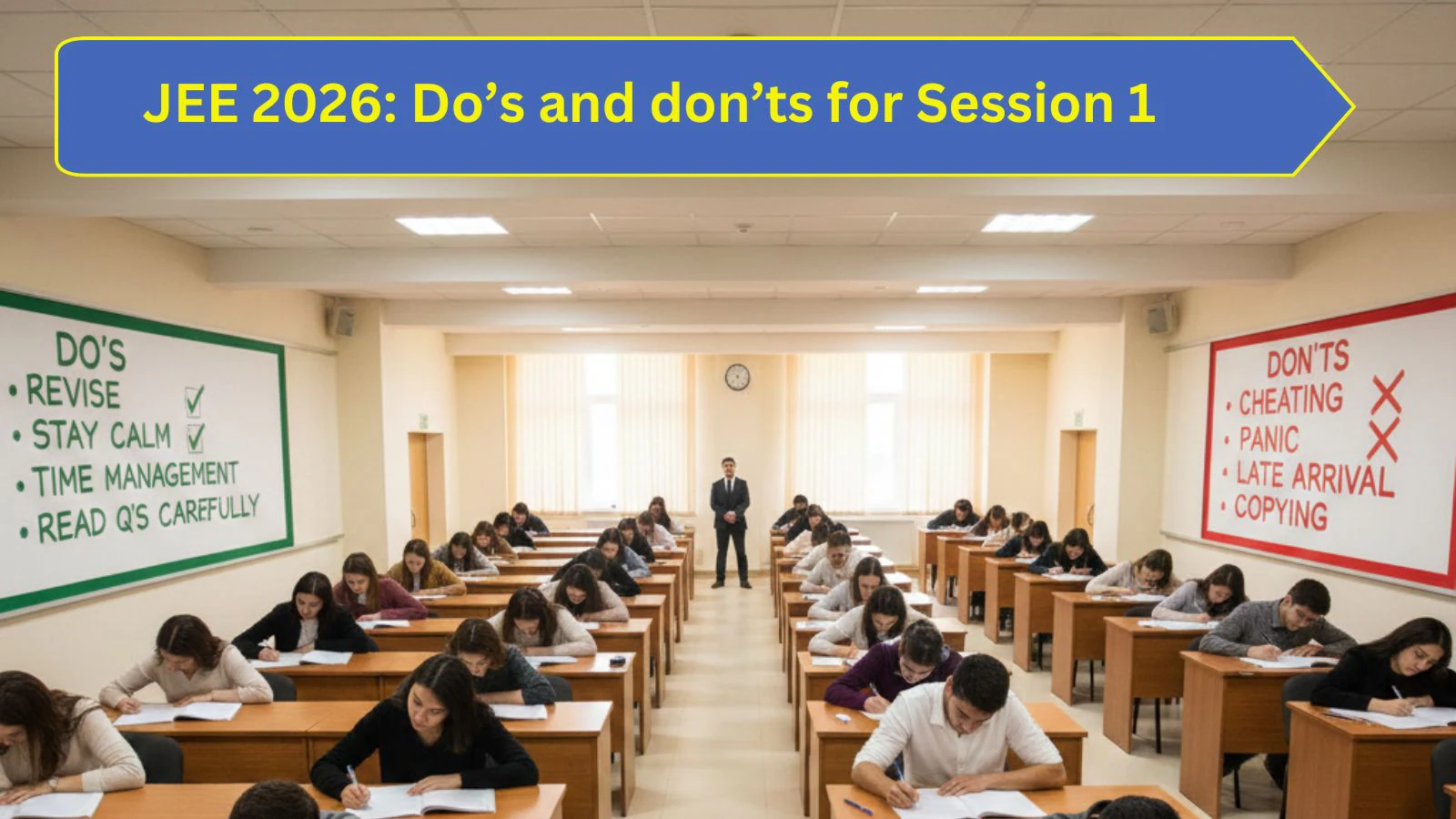
The JEE Advanced 2026 examination is set to be administered by the Indian Institute of Technology (IIT) on May 17. This year, the exam will be conducted in two sessions: Paper 1 from 9 am to 12 noon and Paper 2 from 2:30 pm to 5:30 pm. With a large number of aspirants expected to participate, it is crucial for candidates to adhere to the established guidelines for the exam day.

Candidates are strongly advised to arrive at their respective examination centres well ahead of time. Entry procedures, including security checks and frisking, could extend the time required to gain access to the venue. The centres will open at 7 am, and no candidates will be permitted entry after 9 am for Paper 1 and after 2:30 pm for Paper 2. Additionally, students must remain seated until each paper is completed, as both papers are mandatory for evaluation.

It is essential for candidates to thoroughly read the instructions on their admit cards to avoid the risk of being denied entry on the day of the exam. Missing either of the two papers could lead to disqualification from the evaluation process.

Required Documents and Dress Code

Candidates must bring specific items to the examination to ensure a smooth entry. The mandatory documents include a printed copy of the JEE Advanced 2026 admit card and an original valid photo identification proof. Suitable forms of ID comprise an Aadhaar Card, PAN Card, Passport, Voter ID, Driving Licence, or School/College ID. Also, candidates should have a transparent water bottle and basic stationery like a pen or pencil if permitted.

The IIT authorities have specified a dress code to facilitate efficient security checks. Candidates are encouraged to wear comfortable, simple attire. It is advisable to avoid clothing with large buttons, metallic embellishments, or heavy embroidery to prevent complications during the frisking process. Acceptable clothing includes light and casual wear with half sleeves and open footwear such as sandals or chappals.

Prohibited items during the exam include rings, bracelets, chains, pendants, earrings, and any charm-related accessories. Candidates should also refrain from wearing shoes or heavy footwear to comply with the dress code and ensure smooth entry into the exam hall.

Banned Items and Their Importance

The list of items that candidates are not allowed to bring into the examination hall is extensive, aimed at upholding the integrity of the examination process. Prohibited items include mobile phones, smartwatches, Bluetooth devices, calculators, and any form of communication device. Such restrictions are in place to prevent any unfair practices and to create a level playing field for all candidates.

Additionally, items such as geometry boxes, pencil pouches, cameras, scanners, wallets, and electronic accessories are also banned. Even seemingly minor electronic items could result in significant consequences if found during the examination. The authorities have emphasised the necessity of these rules for maintaining fairness and transparency.

Students preparing for the JEE Advanced 2026 are encouraged to remain calm, make early plans to reach the exam centre, and focus on their preparation rather than last-minute fears. The rigorous guidelines are in place to foster a secure and fair environment for all candidates participating in this challenging assessment.

Long or Short, get news the way you like. No ads. No redirections. Download Newspin and Stay Alert, The CSR Journal Mobile app, for fast, crisp, clean updates!

App Store –  https://apps.apple.com/in/app/newspin/id6746449540 

Google Play Store – https://play.google.com/store/apps/details?id=com.inventifweb.newspin&pcampaignid=web_share

Latest News

Popular Videos
