


Israeli Army Conducts Strikes Against Hezbollah Fighters in Southern Lebanon
The CSR Journal Magazine

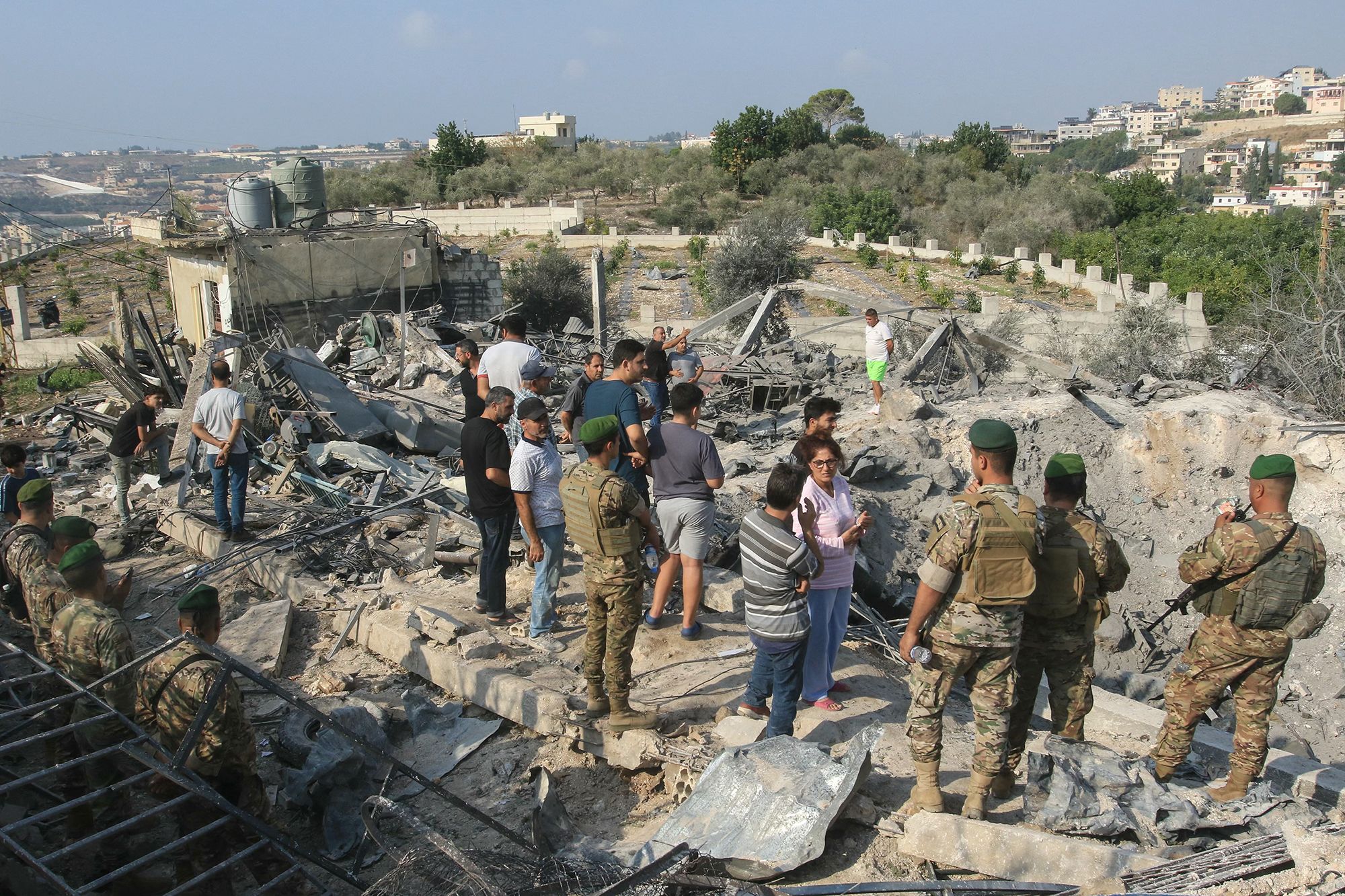
The Israeli Defence Forces (IDF) have confirmed that they engaged and attacked Hezbollah fighters in southern Lebanon. This military action is part of ongoing tensions in the region, exacerbated by the broader geopolitical landscape involving the United States and Iran. The IDF has stated that the operation was executed in response to increased hostilities originating from Hezbollah positions and aimed at securing the border area.

Reports indicate that the strikes targeted specific sites used by Hezbollah militants. The IDF claims that these actions are necessary to counter threats to Israeli security and maintain stability along the northern border. The situation remains fluid, with both sides on high alert following the operation.

Analysts suggest that such military operations are reflective of a larger conflict in the region, where Iran’s influence through groups like Hezbollah continues to add complexity to Israel’s security landscape. The IDF remains vigilant, indicating that further actions may be taken if necessary.

Hezbollah’s Response and Regional Implications

In reaction to the IDF’s strikes, Hezbollah has vowed to retaliate, emphasising their commitment to defend their territory. The group has a history of engaging in armed conflict with Israel, particularly in contested zones along the border. This recent escalation raises concerns about a potential spiral into larger hostilities, which could destabilise the already volatile region further.

Following the attacks, Hezbollah released statements condemning Israel’s actions and asserting their readiness to meet any future aggression with force. These developments underscore the ongoing tension between the two sides, which has been characterised by intermittent clashes and strained diplomatic relations.

Regional leaders are closely monitoring the situation, as it has significant implications for the balance of power in the Middle East. The involvement of external powers, particularly the United States, has led to heightened scrutiny of military engagements in Lebanon and the broader context of Israeli-Iranian relations.

International Reactions and Future Considerations

International responses to the recent military actions by the IDF have varied, with calls for restraint from multiple nations. Diplomats assert that both Israel and Hezbollah must seek a de-escalation in hostilities to avoid an all-out conflict. The United Nations has also expressed concern regarding the potential humanitarian impact of escalating violence in the region.

The ongoing tensions highlight the precarious situation in Lebanon, where ongoing political instability amplifies the risks associated with military confrontations. Discussions around a potential peace deal involving Iran and the United States may further influence the dynamics between Israel and Hezbollah, with stakeholders advocating for diplomatic resolutions over military options.

As the situation develops, analysts suggest that the strategic calculations of the involved parties will play a critical role in determining the next steps. The interplay of regional alliances and long-standing grievances continues to shape the conflict, with local and international actors keenly observing for any indications of broader conflict. Israel’s ongoing military preparedness signals that any perceived threats will be met with decisive action in the context of ensuring national security.

Long or Short, get news the way you like. No ads. No redirections. Download Newspin and Stay Alert, The CSR Journal Mobile app, for fast, crisp, clean updates!

App Store –  https://apps.apple.com/in/app/newspin/id6746449540 

Google Play Store – https://play.google.com/store/apps/details?id=com.inventifweb.newspin&pcampaignid=web_share

Latest News

Popular Videos
