


Iran Says Genuine Negotiations Cannot Be Based On Coercion Or Threats
The CSR Journal Magazine

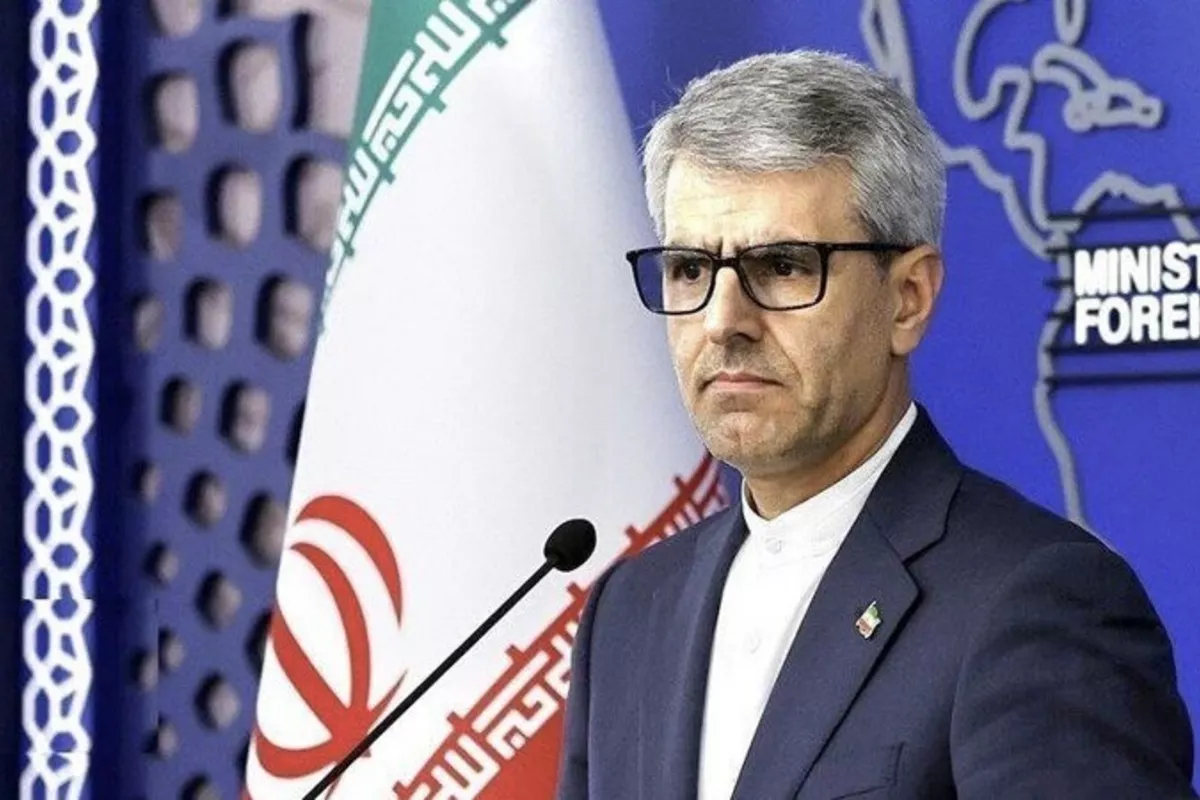
The spokesperson for Iran’s Ministry of Foreign Affairs, Esmaeil Baqaei, asserted that genuine negotiations necessitate a sincere effort to resolve disputes, rather than coercive tactics. Baqaei referred to a decision by the International Court of Justice, which underscores the importance of good faith in any negotiation process. He emphasised that negotiations should not be conflated with disputes or coercion, citing a specific judgement from the court dated 1 April 2011.

In a post on the social media platform X, Baqaei stated, “The concept of ‘negotiations’ requires, at the very least, a genuine attempt to engage in discussions with a view to resolving the dispute. It needs ‘good faith’, meaning that ‘negotiations’ is not ‘disputation’, nor is it ‘dictation’, ‘deception’, ‘extortion’ or ‘coercion’.” This statement aligns with the ongoing tensions surrounding negotiations involving Iran.

Trump’s Conditional Proposal and Military Threats

These remarks from Baqaei surfaced shortly after US President Donald Trump announced the conditional end of military operations, specifically referencing Operation Epic Fury. During a statement made on 6 May 2026, Trump indicated that should Iran comply with certain conditions, the US would cease its military action and allow free passage through the Strait of Hormuz. However, he warned that failure to agree would result in escalated military engagement.

Trump conveyed his assertions via a post on his platform, Truth Social, where he claimed, “Assuming Iran agrees to give what has been agreed to, which is, perhaps, a big assumption, the already legendary Epic Fury will be at an end.” He further stated that the blockade would remain in place unless an agreement was reached, underscoring the urgent nature of the situation.

The tone of Trump’s comments reflects a strategy of coercion, directly linking diplomatic engagement to military consequences. He communicated that the US was prepared to escalate its actions against Iran significantly if an agreement could not be achieved.

Responses from Iranian Leadership

On 5 May 2026, Iranian Parliament Speaker Mohammad Baqer Ghalibaf also addressed the situation, claiming that a new strategic framework concerning the Strait of Hormuz is being established. He suggested that the security of maritime and energy transportation has been compromised by actions from the United States and its allies, which included violations of a prior ceasefire and the enforcement of a blockade.

Ghalibaf’s statements indicate a growing concern in Iran regarding the security dynamics in the region, as he proclaimed that the “new equation of the Strait of Hormuz is in the process of being solidified.” He further expressed confidence that the US will struggle to maintain its influence, especially in light of Iran’s readiness to counter ongoing threats.

The Iranian leadership’s hardline stance illustrates their commitment to resisting external pressures. This situation underscores the complex interplay of diplomacy and military strategy in a region that continues to experience heightened tensions among international powers.

Long or Short, get news the way you like. No ads. No redirections. Download Newspin and Stay Alert, The CSR Journal Mobile app, for fast, crisp, clean updates!

App Store –  https://apps.apple.com/in/app/newspin/id6746449540 

Google Play Store – https://play.google.com/store/apps/details?id=com.inventifweb.newspin&pcampaignid=web_share

Latest News

Popular Videos
