


Government Refutes Claim of E20 Ethanol Programme Being an ‘Experiment’
The CSR Journal Magazine

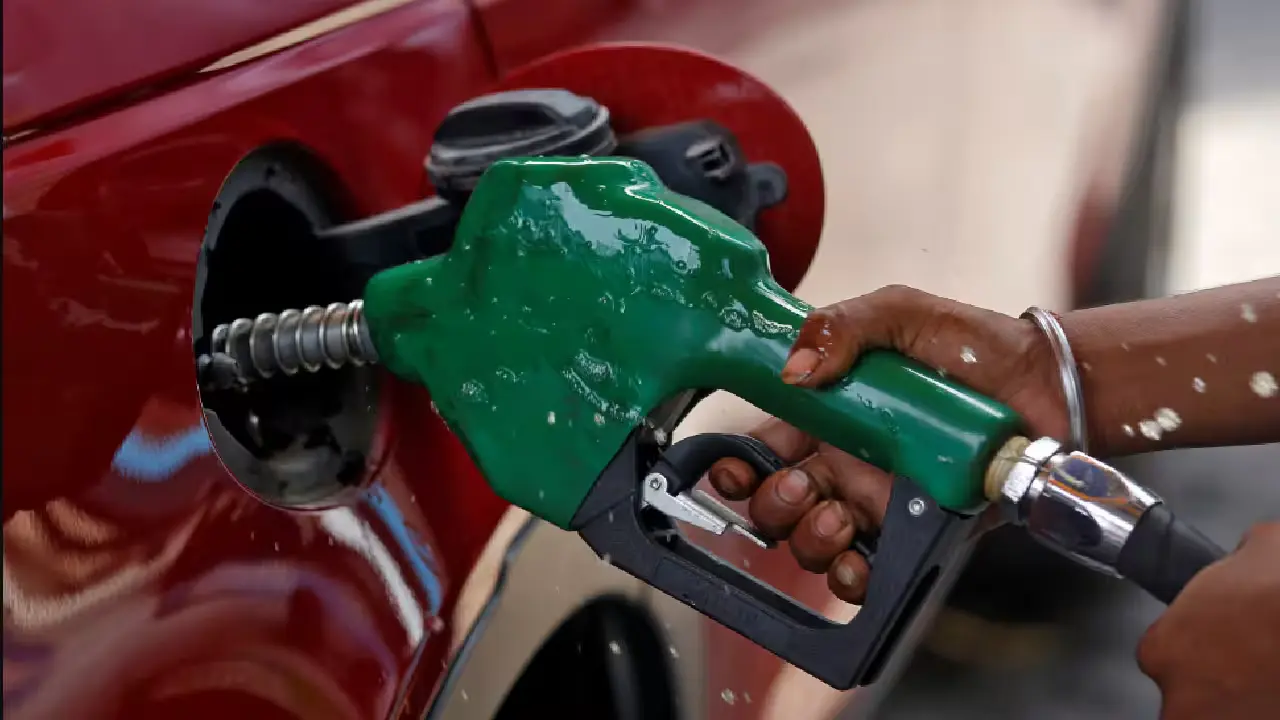
The Indian government has denied allegations suggesting it referred to its 20 per cent Ethanol Blended Petrol (E20) programme as an experiment during a recent Supreme Court hearing. This statement emerges in response to various media reports that misrepresented the submissions made by Attorney General R. Venkataramani.

The Attorney General’s Office has stated that the characterisation of the E20 programme as “still an ongoing experiment” was inaccurate. The clarification was prompted by a plea filed by Bharat Petroleum Corporation Limited (BPCL), contesting a ruling by the Karnataka High Court regarding ethanol allocation for the ethanol supply year 2025-26.

During the hearing, the Centre clarified that several similar petitions concerning ethanol allocation to specific ethanol plants are pending in various high courts. Consequently, the government plans to file transfer petitions to consolidate these cases in the Supreme Court for a more efficient resolution.

Importance of Efficient Legal Processes

The government indicated that addressing these cases collectively could prevent mismatched rulings and expedite the judicial process. It emphasised the need for a seamless supply of ethanol to oil marketing companies (OMCs) to meet the E20 blending targets established under the national Ethanol Blended Petrol (EBP) programme.

The Supreme Court remarked on the necessity of filing the proposed transfer petitions and mandated that the current status regarding ethanol allocation for the 2025-26 supply year be maintained. The Attorney General’s Office reiterated that at no point did the government label the EBP programme or the E20 initiative as an “experiment.”

They further asserted that the suggestion of such a characterisation is entirely erroneous and does not reflect the actual submissions made during the court proceedings. The Office of the Attorney General has called on media outlets to report on judicial matters with greater precision, particularly when covering significant national policies.

Background and Current Developments

The legal case in question originates from a ruling issued by the Karnataka High Court on June 23, which mandated OMCs, including BPCL, Hindustan Petroleum Corporation Limited, and Indian Oil Corporation, to consider enhanced ethanol allocation requests from distilleries prior to concluding the 2025-26 tender process. BPCL expressed concerns that amending allocations after contractual agreements could disrupt the national ethanol blending programme.

India achieved its target of incorporating 20 per cent ethanol into petrol by 2025, five years ahead of the projected timeline. This initiative allowed OMCs to start distributing E20 fuel nationwide as of April 1. Further development has led the government to aim for a 30 per cent ethanol blending achievement by 2030.

This latest clarification follows an earlier announcement from the Ministry of Petroleum and Natural Gas, which dismissed claims that E20 fuel might harm vehicles or nullify insurance policies. The ministry has maintained that ethanol blending is a well-established practice globally, adopted by other countries, and has contributed to reducing crude oil imports, saving foreign currency, enhancing national energy security, and lowering carbon emissions. The government reaffirms its commitment to implementing the programme safely and in a consumer-friendly manner.

Long or Short, get news the way you like. No ads. No redirections. Download Newspin and Stay Alert, The CSR Journal Mobile app, for fast, crisp, clean updates!

App Store –  https://apps.apple.com/in/app/newspin/id6746449540 

Google Play Store – https://play.google.com/store/apps/details?id=com.inventifweb.newspin&pcampaignid=web_share

Latest News

Popular Videos
