


Elon Musk Calls for Government Support as AI Threatens Jobs
The CSR Journal Magazine

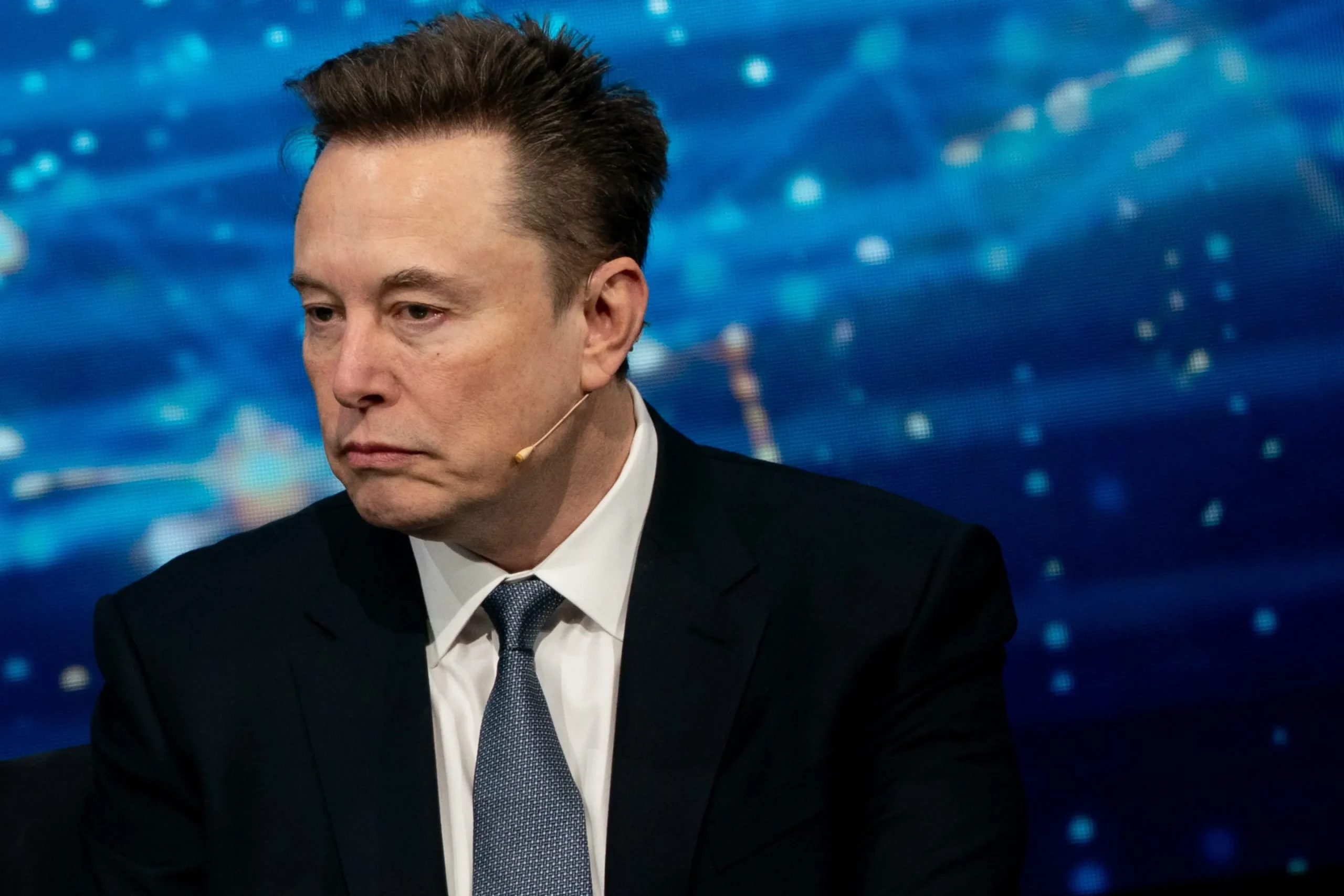
Elon Musk has recently ignited discussions surrounding the relationship between artificial intelligence and future employment, proposing that governments should consider providing “free money” as job losses intensify due to AI advancements. In a post shared on the social media platform X, Musk stated that a “universal high income” scheme, funded by governmental resources, could be an effective means of addressing the unemployment challenges arising from the rise of AI and robotics.

In his remarks, Musk emphasised that traditional concerns regarding inflation may not apply in a scenario where AI significantly boosts the supply of goods and services. He argued that the infusion of additional funds into the economy could be offset by increased availability, thereby stabilising prices even in circumstances of augmented monetary supply.

Concerns About the Pace of AI Development

This declaration is not Musk’s first engagement with the topic of economic support in the context of AI. During a recent podcast discussion alongside Peter H. Diamandis, he elaborated on the rapid evolution of AI technologies and suggested that governmental policy efforts could lag behind these developments. According to Musk, AI is evolving at a speed that outpaces governmental capabilities for effective regulation and adaptation.

He remarked that AI could be progressing at a rate “10 times faster” than governmental processes, highlighting the difficulty authorities face in adapting to such swift changes. Supporting this viewpoint, fellow guest Dave Blundin added that existing governmental frameworks may lack the necessary tools to adequately address the transformative economic consequences brought about by AI.

To navigate these challenges, Musk proposed that direct financial assistance from governments could function as a viable response. Instead of attempting to constrain AI’s development, authorities might focus on preserving economic stability by providing monetary support directly to citizens. He cited precedents such as the stimulus payments during the COVID-19 pandemic as examples of similar initiatives previously undertaken by governments.

AI’s Potential Impact on Various Industries

Beyond employment and income issues, Musk addressed the potential of AI to revolutionise different sectors, particularly healthcare. He noted the existing shortages in skilled healthcare professionals, explaining that training highly qualified doctors and surgeons requires substantial time and financial investment. In this context, he suggested that AI-driven humanoid robots, like Tesla’s anticipated Optimus model, could outperform elite surgeons within a few years, thereby enhancing the accessibility and quality of healthcare on a global scale.

Musk attributed the acceleration in AI and robotics developments to several converging factors, including advancements in machine learning models, faster processors, and enhanced mechanical systems. He believes these innovations could significantly expedite the evolution of robotics in an unprecedented manner.

Moreover, Musk rejected the notion of a single controlling AI entity dictating future developments. Instead, he posited that a multitude of AI systems would likely co-exist, driven by inherent physical limitations such as the speed of information transfer. This scenario would result in a distributed network of intelligence rather than a singular, dominant system.

Long or Short, get news the way you like. No ads. No redirections. Download Newspin and Stay Alert, The CSR Journal Mobile app, for fast, crisp, clean updates!

App Store –  https://apps.apple.com/in/app/newspin/id6746449540 

Google Play Store – https://play.google.com/store/apps/details?id=com.inventifweb.newspin&pcampaignid=web_share

Latest News

Popular Videos
