


Delhi High Court Set to Hear PIL on Alleged Police Excesses During Protest March
The CSR Journal Magazine

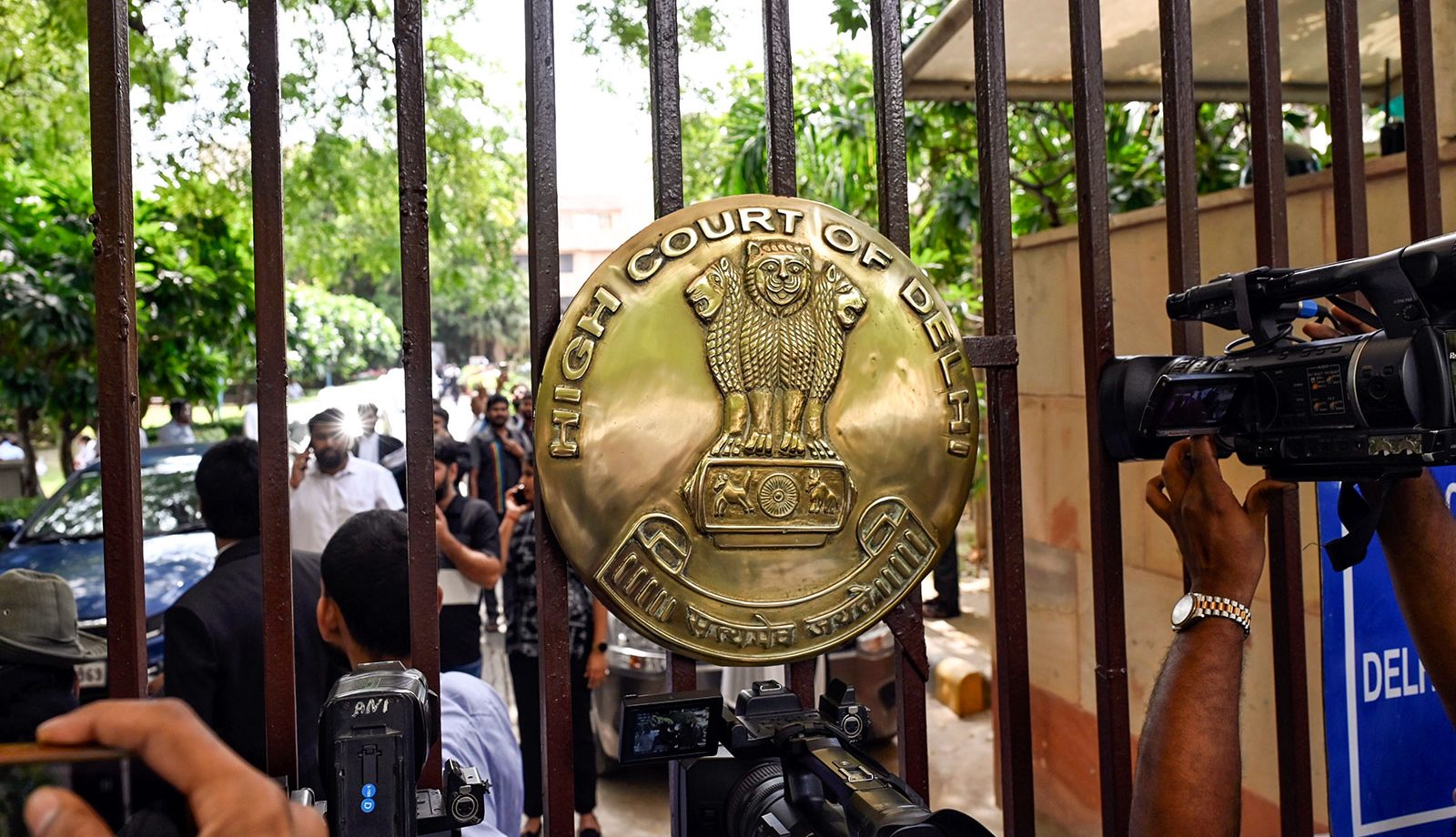
The Delhi High Court is scheduled to hear a public interest litigation (PIL) on Wednesday, July 22, which claims that the Delhi Police employed excessive force against demonstrators during the Cockroach Janta Party’s Parliament March. The matter was brought to the attention of a Division Bench consisting of Chief Justice Devendra Kumar Upadhyaya and Justice Tejas Karia on July 21.

During the mentioning of the petition, the counsel for the petitioner advocated for an urgent hearing. He emphasised that there are significant concerns regarding the alleged excessive force exhibited by the police against the individuals protesting in the Parliament March. The Bench, while acknowledging the request, advised against dragging the Court into the matter but ultimately agreed to hear the case on Wednesday.

The petition claims that the actions of the police during the protest were disproportionate. It seeks judicial review and intervention regarding the police behaviour. Specific allegations and reliefs sought in the PIL are anticipated to be scrutinised during the upcoming hearing.

Background Context of Ongoing Protests

This development occurs in the context of ongoing litigation concerning protests at Jantar Mantar. A separate PIL filed by CPI(M) leader Aishe Ghosh is currently under examination by the Delhi High Court. This petition raises concerns about the police’s alleged use of surveillance, including videography, against the protesters at the site.

During proceedings related to Ghosh’s petition, Solicitor General Tushar Mehta, representing the Central Government, defended the practice of videography. He stated that the documentation at Jantar Mantar was primarily intended to uphold law and order, rather than to conduct surveillance on the demonstrators.

The ongoing protests in Delhi are associated with climate activist Sonam Wangchuk and members of the Cockroach Janta Party. These demonstrators are actively calling for reforms in the education sector and the resignation of the Union Education Minister due to an alleged NEET examination paper leak. The protests have prompted multiple rounds of legal scrutiny before the Delhi High Court, encompassing various issues such as Wangchuk’s medical treatment and his continued admission at a government hospital.

Potential Implications of the Upcoming Hearing

The upcoming hearing not only addresses the specific allegations raised in the PIL but also reflects broader concerns about the treatment of protesters in India. The Court’s decision may influence future actions of law enforcement during public demonstrations, particularly regarding the use of force.

As the hearing approaches, the outcome will be closely observed by both legal analysts and civil rights advocates, given the heightened tensions between protesters and police in recent months. The Court’s deliberations may also set important precedents for how similar cases are handled in the future.

The tensions surrounding these events add further complexity to the ongoing situation, where public demonstrations continue to spotlight issues of governance and accountability in the context of law enforcement practices across the country.

Long or Short, get news the way you like. No ads. No redirections. Download Newspin and Stay Alert, The CSR Journal Mobile app, for fast, crisp, clean updates!

App Store –  https://apps.apple.com/in/app/newspin/id6746449540 

Google Play Store – https://play.google.com/store/apps/details?id=com.inventifweb.newspin&pcampaignid=web_share

Latest News

Popular Videos
