


Supreme Court Issues Notices to Centre and States on Drug Trafficking Reforms
The CSR Journal Magazine

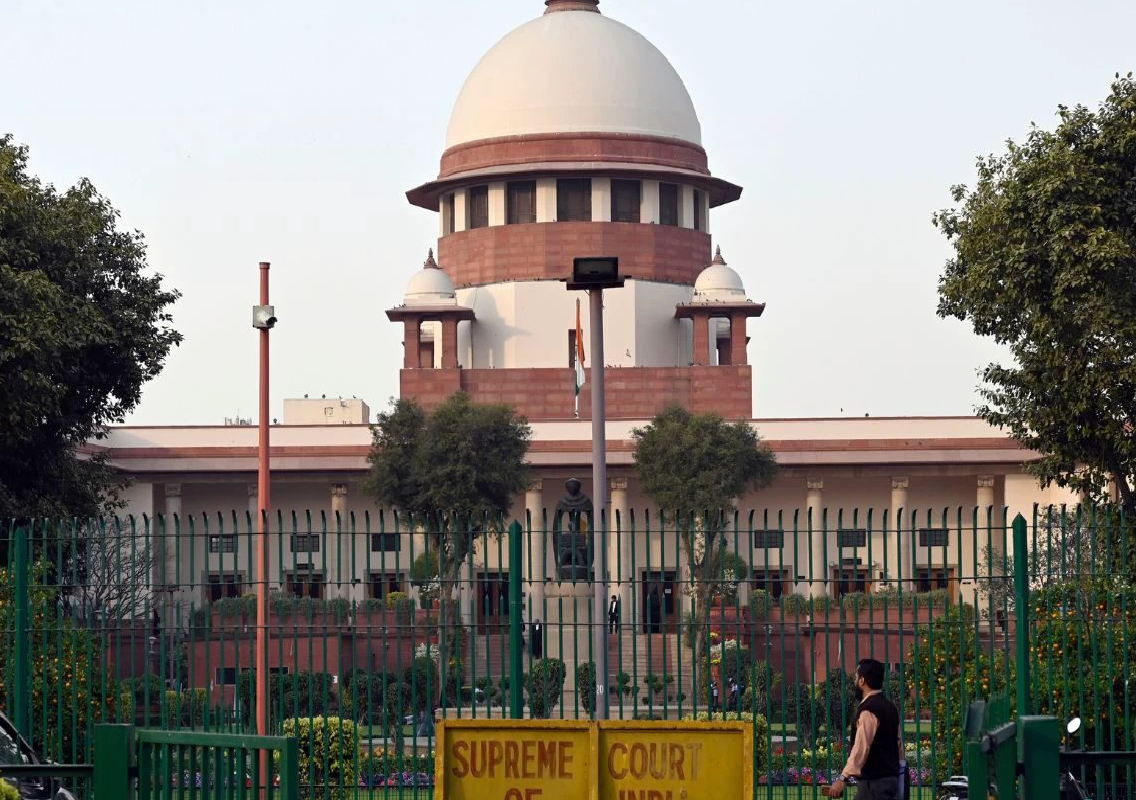
The Supreme Court of India has, on August 10, 2026, directed the Centre and various state governments to respond to a public interest litigation (PIL) aimed at instituting comprehensive reforms to combat drug-related issues in the country. A bench comprising Chief Justice Surya Kant and Justices Joymalya Bagchi and V Mohana stated that the matter at hand is of considerable gravity, necessitating urgent attention and improved coordination among involved agencies.

Justice Bagchi specifically addressed the concern of cross-border drug trafficking, particularly highlighting narcotics originating from the Golden Crescent region of Asia. This region includes areas in Burma and Afghanistan, which are known for their significant role in global drug production. The court’s remarks indicate a broader awareness of the complexities involved in combatting this issue.

Key Proposals in the PIL

The petition, presented by advocate Ashwini Upadhyay, outlines several demands aimed at fortifying the legal framework surrounding drug trafficking in India. Among the principal requests is the implementation of time-bound investigations and trials for narcotics-related cases, alongside the confiscation of properties linked to traffickers. The petition also calls for the establishment of uniform investigation protocols across states, ensuring a consistent approach to tackling drug offences.

Moreover, the petitioner has sought directives for the Centre and state governments to set mandatory timelines for the submission of Forensic Science Laboratory (FSL) reports in all NDPS cases. This measure is intended to address existing delays that hamper effective prosecution. The PIL also advocates for the establishment of Special Courts as outlined in the NDPS Act to facilitate expedited legal proceedings.

In addition, the petitioner has urged for the creation of an expert committee focused on the timely identification and scheduling of New Psychoactive Substances (NPS). The proposal further includes implementing systematic digital recording of search and seizure operations, along with establishing rehabilitation centres for individuals grappling with addiction issues.

Broader Implications of Drug Trafficking

According to the petition, drug trafficking poses severe nationwide risks, impacting public health and contributing to a range of societal problems such as family breakdown, organised crime, and terrorism financing. The litigation underscores the alarming increase in drug cases and seizures, with data indicating a significant rise in incidents throughout the year 2025.

Moreover, the PIL highlights personal tragedies, including the deaths of five sons belonging to a woman in Punjab, which illustrate the devastating effects of addiction. It contends that these incidents reinforce the urgent need for a robust institutional framework to enforce the NDPS Act effectively and meet constitutional obligations regarding public welfare.

The petition additionally notes deficiencies in the current legal mechanisms, citing the lack of uniform investigation protocols and delays in forensic examinations. The absence of Special Courts and inadequate rehabilitation facilities are portrayed as significant hindrances that undermine constitutional rights related to timely investigations and trials. Hence, the plea insists on judicial intervention to create a national framework for an integrated approach to narcotics-related offences.

Long or Short, get news the way you like. No ads. No redirections. Download Newspin and Stay Alert, The CSR Journal Mobile app, for fast, crisp, clean updates!

App Store –  https://apps.apple.com/in/app/newspin/id6746449540 

Google Play Store – https://play.google.com/store/apps/details?id=com.inventifweb.newspin&pcampaignid=web_share

Latest News

Popular Videos
