


Cockroach Janta Party Launches ‘School Thik Karo’ Campaign to Address Poor Facilities in Maharashtra’s Government Schools

The CSR Journal Magazine

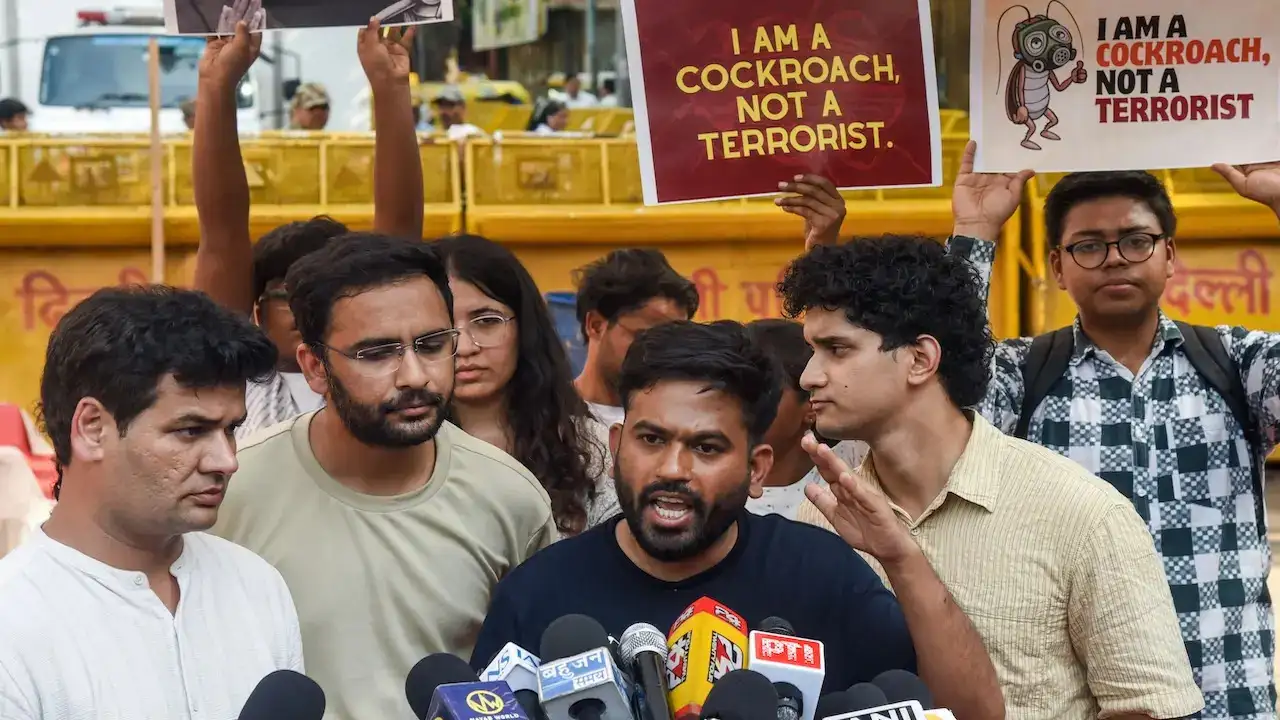
Abhijeet Dipke, founder of the Cockroach Janta Party, initiated the “School Thik Karo” campaign on August 15, 2026, in his native village located in Hingoli district, Maharashtra. He accused the government of neglecting state-run schools, which he claimed has adversely affected underprivileged students. The campaign aims to raise awareness about the deficiencies within these educational institutions and emphasise the need for immediate improvements.

During the campaign launch, Dipke participated in a flag-hoisting ceremony to mark Independence Day and proceeded to inspect facilities at a local Zilla Parishad school. He reported serious concerns regarding the condition of the school, highlighting issues such as a lack of water supply in toilets, broken windows, and insufficient benches for students. He asserted that the inadequate condition of schools poses significant barriers to equal access to education.

In his remarks to reporters, Dipke posed a critical question regarding the state of government-run schools: “If basic things like water are missing from government-run schools even after 80 years of independence, how is the country expected to develop?” He questioned how students could access amenities when basic needs remain unmet.

Data Collection and Future Plans

Dipke announced that his organisation has devised a checklist form to document the availability of basic amenities in schools across Maharashtra and eventually nationwide. This data collection initiative aims to highlight the state of facilities in government-run educational institutions.

Looking ahead, the campaign’s next phase will involve Dipke visiting additional government schools in other talukas within Maharashtra to conduct further assessments. He alleged that the educational budget provided by the central government has been reduced, which he believes is contributing to the closure of numerous state-run schools. Dipke claimed that over 94,000 schools have been shut down in the past decade, raising concerns about the nation’s educational foundation.

Dipke further commented on the impact of these closures, questioning, “How can a nation be strengthened by shutting down schools when more schools need to be opened?” He voiced his belief that if government schools provided quality education, fewer parents would opt for private institutions.

Broader Issues in Public Services

In addition to the focus on schools, Dipke indicated that his organisation would also concentrate on improving public health facilities. He expressed concerns regarding conditions in public hospitals, claiming that patients often have no choice but to sleep on the floor, and the waiting times for surgical procedures can be excessively long.

He encouraged public discourse on issues that affect rural areas, stating that the youth in these regions should actively engage with government representatives about the proper utilisation of funds. He argued that political discourse should involve voices from rural communities, not just urban centres.

On the subject of private education, Dipke advocated for a cap on private school fees, which he noted often range between Rs 1 lakh and Rs 1.5 lakh. He questioned the affordability of education for economically disadvantaged families and urged that regulatory measures should be put in place to ensure equitable access to education.

Long or Short, get news the way you like. No ads. No redirections. Download Newspin and Stay Alert, The CSR Journal Mobile app, for fast, crisp, clean updates!

App Store –  https://apps.apple.com/in/app/newspin/id6746449540 

Google Play Store – https://play.google.com/store/apps/details?id=com.inventifweb.newspin&pcampaignid=web_share

Latest News

Popular Videos