


CJI Warns of Intervention Over Supreme Court Metro Station Closure
The CSR Journal Magazine

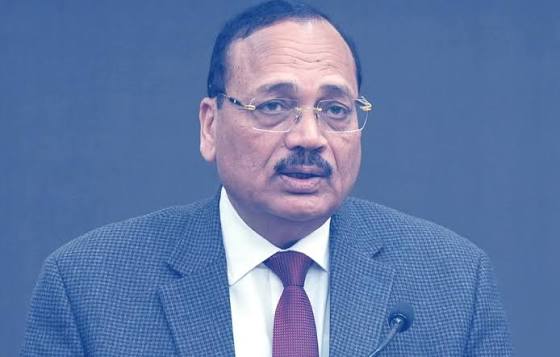
The Chief Justice of India, Surya Kant, has stated that he will take action if the Supreme Court Metro station is not reopened by the afternoon of July 23, 2026. This declaration came in response to the ongoing student protests in New Delhi, which have prompted the temporary closure of several metro stations. The Chief Justice raised alarm about accessibility issues for those needing to reach the Supreme Court amid these demonstrations.

SCBA President Raises Inconvenience Issues

During a session at the Supreme Court, Vikas Singh, President of the Supreme Court Bar Association (SCBA), presented the challenges faced by lawyers and court personnel. He highlighted that the closure had become a significant inconvenience for those requiring access to the court’s premises. Singh appealed for a solution that would permit individuals possessing valid access cards or court registry staff to exit the metro station after going through security checks.

Singh proposed a possible arrangement, suggesting that people with proximity cards be allowed to vacate the metro station while others could use alternate means of transport. He communicated that this would enable individuals reliant on the metro service to complete their journeys effectively.

Chief Justice Surya Kant responded to Singh’s concerns, indicating that he had already contacted the Supreme Court administration on the matter. He emphasized that it was the responsibility of the concerned authorities, particularly from the Delhi Metro, to manage the situation. The Chief Justice stated that if no resolution was achieved by lunchtime, he would be prepared to intervene.

Guidance Issued to Judges Regarding Non-Appearances

In conjunction with addressing the metro station closure, the Chief Justice has directed judges to refrain from issuing any adverse rulings against lawyers who may be unable to appear in court due to transport issues. This move aims to alleviate the pressures on legal professionals caught in the midst of the disruptions stemming from the protests.

The Chief Justice conveyed that the directive to avoid adverse orders would enable a fair process for those affected by the situation. He reiterated the importance of addressing the challenges posed by such demonstrations while ensuring that legal proceedings are not stalled as a result.

In the morning of July 23, the Delhi Metro Rail Corporation (DMRC) announced that 16 metro stations would temporarily close as a precautionary measure in light of the intensifying student protests in the capital. The Supreme Court Metro station was among those affected, leading to heightened discussions about access for court staff and the implications for public transport users.

Long or Short, get news the way you like. No ads. No redirections. Download Newspin and Stay Alert, The CSR Journal Mobile app, for fast, crisp, clean updates!

App Store –  https://apps.apple.com/in/app/newspin/id6746449540 

Google Play Store – https://play.google.com/store/apps/details?id=com.inventifweb.newspin&pcampaignid=web_share

Latest News

Popular Videos
