


China Unveils 113-Metre Deep Undersea Tunnel For High-Speed Rail
The CSR Journal Magazine

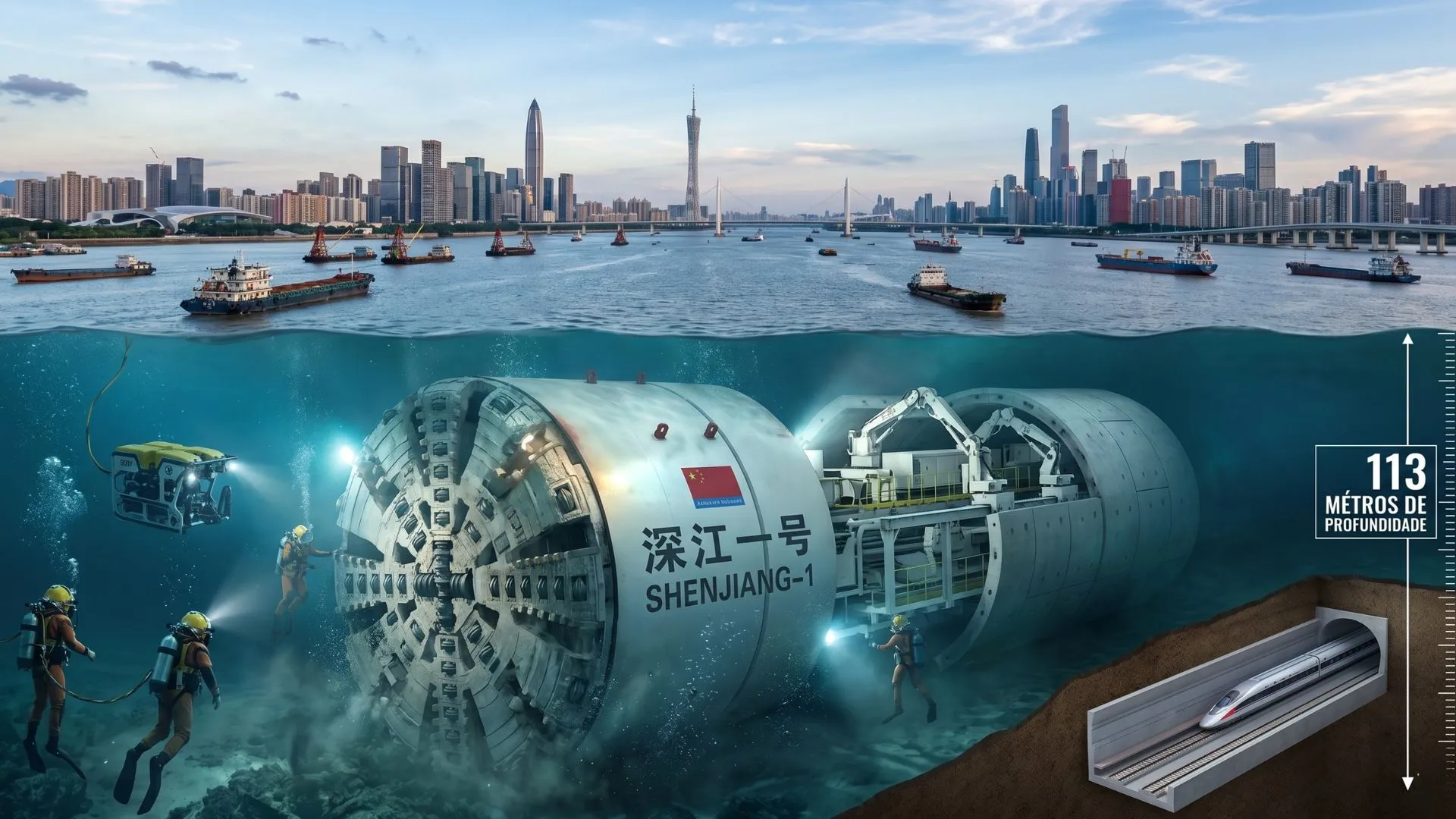
The recent unveiling of a substantial undersea tunnel in China marks a significant milestone in high-speed rail development. The tunnel, reaching a depth of 113 metres, is a noteworthy engineering feat designed to enhance connectivity through extensive rail networks. It is part of a larger mega rail project aimed at transforming travel across regions by utilising high-speed technologies.

This undersea passage is engineered to accommodate advanced rail systems, capable of supporting trains that travel at speeds exceeding 300 kilometres per hour. Such facilities are expected to not only improve travel times but also increase the overall efficiency of rail transport in the region. The strategic positioning of the tunnel provides a vital link between key urban centres, promising to reshape commuting patterns.

Construction of the tunnel required extensive planning and coordination, with experts deploying cutting-edge technologies to ensure safety and structural integrity. The use of high-quality materials and innovative engineering techniques were critical in overcoming challenges associated with underwater construction.

Architectural Features and Technology

The architectural design of the tunnel reflects modern engineering principles tailored to withstand the unique pressures and conditions found at significant depths. The structure includes state-of-the-art ventilation systems, seismic safety measures, and flood prevention mechanisms, reinforcing its resilience against potential environmental hazards.

Moreover, the tunnel incorporates advanced signalling and communication systems to ensure the safe and efficient movement of trains. These technologies are designed to facilitate seamless operations, allowing for real-time monitoring of train schedules and passenger safety. The focus on technological integration underscores the commitment to achieving high standards in rail travel.

Survey and inspection teams regularly assess the tunnel’s conditions, ensuring any necessary maintenance is performed proactively. These measures help to guarantee lasting reliability and safety for both passengers and freight transport across this strategically important link.

Future Impact on High-Speed Travel

The introduction of this undersea tunnel is set to have far-reaching effects on high-speed rail travel in China. By enhancing connections between major cities, it is anticipated that the travel time between regions will decrease significantly, promoting economic growth and facilitating tourism. The ability to traverse vast distances in minimal time could influence patterns of regional mobility.

Officials have highlighted that improving rail infrastructure will not only serve domestic travel needs but could also support international connectivity in the longer term. As rail connectivity expands, the potential for cross-border exchanges increases, opening new opportunities for trade and cooperation within the broader regional context.

Ultimately, this project positions China at the forefront of high-speed rail technology globally. The advancements made through the development of the undersea tunnel serve as a benchmark for future projects worldwide, illustrating the possibilities that modern engineering can unlock. As travel demand continues to evolve, such innovations are likely to play a critical role in meeting the needs of modern commuters.

Long or Short, get news the way you like. No ads. No redirections. Download Newspin and Stay Alert, The CSR Journal Mobile app, for fast, crisp, clean updates!

App Store –  https://apps.apple.com/in/app/newspin/id6746449540 

Google Play Store – https://play.google.com/store/apps/details?id=com.inventifweb.newspin&pcampaignid=web_share

Latest News

Popular Videos
