


US-Iran Deal Crumbles as Airstrikes and Missiles Rock the Gulf, Hormuz Tensions Deepen
The CSR Journal Magazine

The tensions between Iran and the United States have escalated sharply, leading to the collapse of an interim agreement aimed at mitigating the conflict. The Memorandum of Understanding was signed less than a month ago, with intentions to halt military hostilities, reopen the Strait of Hormuz, and establish a timeline for a long-term peace deal and discussions regarding Iran’s nuclear programme.

Despite the initial optimism surrounding the agreement, hostilities have ignited anew. The United States has reinstated its blockade on Iranian ports, and sanctions relief for Iranian oil exports has been revoked. The situation surrounding shipping in the strait remains precarious, with no substantial advancements towards a conclusive agreement and the nuclear dispute persisting without resolution.

Ceasefire and Military Actions

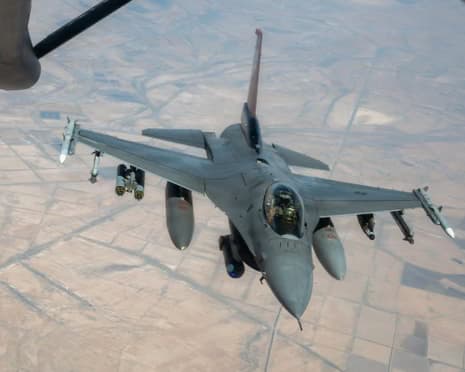
The deal called for an “immediate and permanent termination of military operations on all fronts,” including conflicts in Lebanon. However, the US has conducted multiple airstrikes in response to Iranian assaults on commercial vessels in the Strait of Hormuz. Concurrently, Iran has reportedly targeted nations hosting US military personnel. A ceasefire that had been established between Israel and Hezbollah, which is aligned with Iran, continues to largely hold, although other areas have witnessed renewed violence.

Under the terms of the agreement, Iran committed to ensuring the safe transit of commercial vessels through the Strait of Hormuz for sixty days without charges, with an aim to fully restore traffic within thirty days after resolving technical and military challenges. Discussions were also to be held regarding the administration and maritime services in the strait, adhering to international law.

The interpretation of this clause has become contentious. Iran views it as granting them authority to regulate vessel traffic and potentially impose tolls after the designated period, while the US and other nations believe that the waterway should remain accessible to all vessels without any fees, similar to its status prior to the conflict.

Sanctions and Negotiation Stalemate

The memorandum stipulated that the US would commence the process of lifting its naval blockade immediately and fully remove it within thirty days, contingent upon adherence to pre-war vessel traffic levels. However, following Iran’s assaults on commercial shipping, the US restored its blockade, taking action against a ship attempting to breach the restrictions.

On the sanctions front, the US had purportedly intended to provide waivers for exports of Iranian crude oil and associated services until sanctions were ultimately lifted. While these waivers were initially granted, they were later rescinded post-Iran’s maritime attacks. Negotiations for a final accord were envisaged to commence within a “maximum 60 days extendable with mutual consent,” but progress has been negligible, particularly after the funeral for Iran’s Supreme Leader Ayatollah Ali Khamenei, prompting questions about the future of discussions.

In relation to the nuclear matter, Iran reiterated its commitment not to develop nuclear weapons within the agreement. Both parties were expected to address the status of Iran’s enriched material stockpile, with a focus on monitoring by the International Atomic Energy Agency. Nonetheless, Iran has not demonstrated any willingness to accommodate inspections of nuclear sites previously targeted, and no tangible movements have been noted regarding nuclear negotiations.

Future Uncertainties in Iran and US Engagement

While the interim agreement included provisions for a $300 billion reconstruction fund for Iran, its source remains unclear. Additionally, the US offered to remove all sanctions under a final agreement, but this is contingent on progress regarding nuclear and related issues. Presently, the interim agreement is in disarray, fundamental commitments related to shipping, sanctions, and negotiations are at an impasse, and wider hostilities continue to resurge.

Long or Short, get news the way you like. No ads. No redirections. Download Newspin and Stay Alert, The CSR Journal Mobile app, for fast, crisp, clean updates!

App Store –  https://apps.apple.com/in/app/newspin/id6746449540 

Google Play Store – https://play.google.com/store/apps/details?id=com.inventifweb.newspin&pcampaignid=web_share

Latest News

Popular Videos
