


AI Micro-Drone Zaps Flying Insects Mid-Air in Pest Control Breakthrough
The CSR Journal Magazine

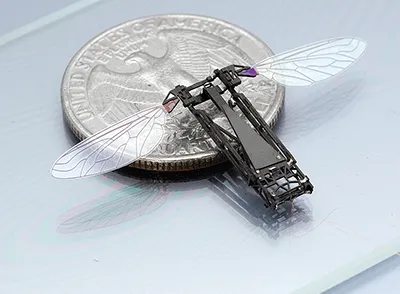
A novel 40-gram, palm-sized artificial intelligence (AI) micro-drone has successfully demonstrated the ability to autonomously kill a flying insect in mid-air. This pioneering achievement marks a significant milestone in the development of drone technology aimed at insect control. Researchers believe this innovation holds potential for combating mosquito populations and reducing related disease transmission.

The AI micro-drone is equipped with advanced optical sensors and machine learning algorithms, allowing it to identify, track, and target insects in real time. The drone’s small size enables it to navigate through various environments, facilitating its ability to hunt for mosquitoes. According to the research team, the effectiveness of the drone could be further enhanced through continuous technological advancements.

This development is particularly important given the global health threat posed by mosquitoes, which are vectors for diseases such as malaria, dengue, and Zika virus. Current pest control methods often involve chemical pesticides, which can have detrimental effects on ecosystems. The introduction of an autonomous drone for insect elimination could present a more eco-friendly and efficient alternative.

Research and Development Process

The project originated from a collaboration between scientists and engineers focused on utilising drones for pest control in agricultural and urban environments. The team undertook extensive research to create a drone capable of precise targeting while minimising collateral damage to other insects and wildlife. Rigorous testing ensured that the drone could function under various conditions.

The researchers applied principles of robotics and AI to enable the drone to make rapid decisions. By analysing visual data, the drone identifies specific flying insects using algorithms trained on various insect species’ movement patterns. This capability is crucial for accurately distinguishing between target insects and non-target species.

Initial field tests of the drone have shown promising results, with the device achieving high success rates in identifying and eliminating mosquitoes. As this technology continues to develop, researchers anticipate refining its features to increase efficiency and effectiveness, potentially paving the way for large-scale deployment.

Potential Impact on Public Health

With the global burden of mosquito-borne diseases on the rise, this innovative drone technology has the potential to significantly impact public health. The World Health Organisation estimates that millions of people are affected by diseases transmitted by mosquitoes annually. An effective, eco-friendly method of controlling these populations could reduce infection rates and ultimately save lives.

In addition to its application in public health, the drone could also find use in agricultural settings, where it would assist in controlling pest populations that threaten crops. This dual functionality indicates the technology’s versatility and potential to change the landscape of pest management across different sectors.

As further research and development efforts continue, ethical considerations regarding the deployment of such technology remain paramount. Ensuring the safety and efficacy of the drone while addressing potential ecological impacts will be crucial to its acceptance and success.

Long or Short, get news the way you like. No ads. No redirections. Download Newspin and Stay Alert, The CSR Journal Mobile app, for fast, crisp, clean updates!

App Store –  https://apps.apple.com/in/app/newspin/id6746449540 

Google Play Store – https://play.google.com/store/apps/details?id=com.inventifweb.newspin&pcampaignid=web_share

Latest News

Popular Videos
