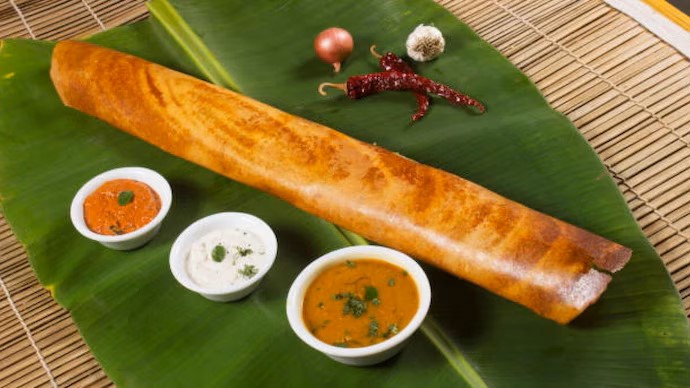
Making Perfect Dosa Batter at Home

The CSR Journal Magazine

Preparing dosa batter at home requires specific ingredients to achieve the ideal texture and flavour. The main components include three cups of regular dosa rice or idli rice, one cup of whole urad dal, a teaspoon of fenugreek seeds, two tablespoons of poha for added softness, salt to taste, and adequate water. These ingredients form the foundation for a batter that will yield crispy dosas characteristic of South Indian cuisine.

It’s crucial to select high-quality rice and urad dal to enhance the final product. The urad dal not only adds protein but also contributes to the fluffiness of the batter. Meanwhile, the fenugreek seeds aid in fermentation and impart a subtle flavour to the dosa.

Steps for Preparing Dosa Batter

The first step in making dosa batter is to wash the ingredients thoroughly. Rinsing the rice and urad dal several times until the water runs almost clear removes excess starch and impurities, resulting in a better texture after grinding. Following this, both the rice and urad dal need to be soaked separately for four to six hours. This soaking period is essential for softening the grains, making them easier to grind into a smooth batter.

After the soaking process, the soaked urad dal should be ground first with chilled water, achieving a light and fluffy texture. Then, the rice is ground to a slightly grainy consistency, which is vital for creating the characteristic crispness in dosas. When using poha, it should be added during this grinding stage to enhance the softness of the batter.

Combining both batters in a large bowl is the next step. Thorough mixing using clean hands for two to three minutes ensures that air is evenly distributed, promoting ideal fermentation. The batter should have a thick yet pourable consistency, ready for fermentation. Cover the bowl loosely and place it in a warm area for eight to twelve hours to allow the fermentation process to occur.

The Importance of Fermentation for Dosas

The fermentation process significantly affects the flavour and texture of dosas. A properly fermented batter will noticeably increase in volume, develop small bubbles, and produce a mildly tangy aroma. This step is crucial, as it not only enhances the taste but also aids in the lightness of the dosa. For those residing in colder regions, methods such as placing the bowl in an oven with the light switched on can assist in achieving the correct fermentation temperature.

Once the batter has fermented, gently mixing it and adding salt to taste is essential. If the batter appears too thick, a small amount of water can be added to achieve the desired pouring consistency. Care should be taken not to overmix, as this could diminish the batter’s airiness.

To make the dosas, a cast-iron or non-stick tawa should be heated properly. A ladle of batter is poured in the centre and spread in circular motions to form a thin layer. Cooking the dosa until the base turns golden brown while drizzling oil or ghee around the edges will result in a crispy texture. The finished dosas can be served hot with coconut chutney, tomato chutney, or sambar.

Long or Short, get news the way you like. No ads. No redirections. Download Newspin and Stay Alert, The CSR Journal Mobile app, for fast, crisp, clean updates!

App Store –  https://apps.apple.com/in/app/newspin/id6746449540 

Google Play Store – https://play.google.com/store/apps/details?id=com.inventifweb.newspin&pcampaignid=web_share

Latest News

Popular Videos