Iranian Foreign Minister Abbas Araghchi commenced his visit to Iraq on Sunday with a significant stop at the memorial site of Lieutenant General Qassem Soleimani and Iraqi militia leader Abu Mahdi al-Muhandis. The two were killed in a US drone strike near Baghdad International Airport in January 2020. This visit occurs during a particularly delicate period for the region, as the US and Iran attempt to implement a recently signed memorandum of understanding aimed at peacefully resolving ongoing conflicts.
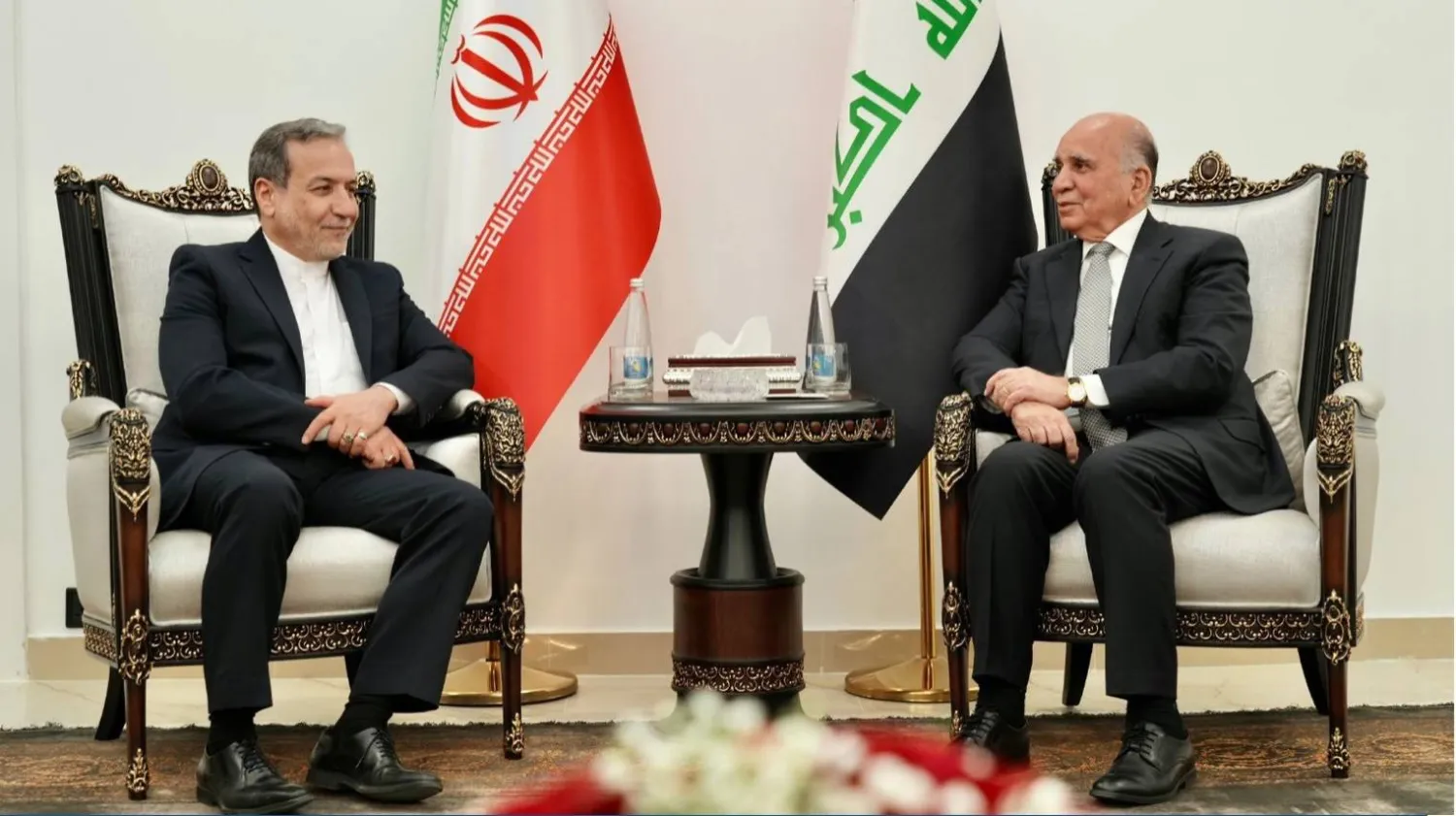
The timing of Araghchi’s visit is particularly poignant, as fresh military exchanges between US forces and Iranian entities raise doubts about the agreement’s sustainability. Following the tribute, Araghchi engaged in official discussions with Iraqi Foreign Minister Fuad Hussein in Baghdad, focusing primarily on preparations for funeral ceremonies for the late Iranian Supreme Leader Ayatollah Ali Khamenei in various Iraqi cities.
Funeral ceremonies have been scheduled to commence in early July after delays resulting from the ongoing conflict. The discussions reflect the broader context of Iranian influence and its ties with Iraqi leadership, particularly as plans for commemorative events materialise.
Accusations Against Israel and Focus on Regional Security
In statements following his visit, Araghchi accused Israel of breaching the US-Iran memorandum by persisting with military operations in Lebanon. He highlighted that the agreement stipulated an end to hostilities across all fronts, including Lebanon. According to Araghchi, it is the obligation of the United States to ensure compliance from Israel under the memorandum’s terms.
He stated, “It is the responsibility of the United States, in accordance with the commitments it accepted under the memorandum of understanding, to ensure that these attacks by the Israeli regime are brought to an end and to allow the cessation of the war to be fully implemented.” The remarks underscore the tension between the involved parties in the region and the expectations tied to international agreements.
Additionally, Araghchi issued a warning regarding any challenges to Iran’s control over the Strait of Hormuz, asserting that such actions would exacerbate tensions and jeopardise the reopening of the pivotal shipping route. His comments reflect Iran’s strategic viewpoint on securing its interests in crucial maritime corridors amid ongoing geopolitical stresses.
Context of Soleimani’s Death and Ongoing Implications
The fatal drone strike that killed General Soleimani and al-Muhandis in January 2020 was a significant turning point in US-Iran relations. The operation, executed on the orders of then US President Donald Trump, reportedly aimed to deter further assaults by Iran-backed militias targeting US forces in the region. The strike followed an escalation of hostilities, including a rocket attack that resulted in the death of an American contractor.
Soleimani was a notable figure, having led the Quds Force of the Islamic Revolutionary Guard Corps, and his assassination marked one of the most severe escalations between Washington and Tehran in decades. The US described the operation as a necessary response to imminent threats while Iran condemned it as an act of state terrorism. This incident has had lasting impacts on diplomatic relations and regional security.
In a recent statement, Trump suggested that the elimination of Soleimani paved the way for current diplomatic efforts with Iran. He indicated that without that action, discussions surrounding the existing agreement might not have materialised. This perspective illustrates the complex and often contentious narrative surrounding US-Iran relations, particularly in the aftermath of such significant military decisions.
Long or Short, get news the way you like. No ads. No redirections. Download Newspin and Stay Alert, The CSR Journal Mobile app, for fast, crisp, clean updates!