


Widespread Protests Grip Pakistan Over Rising Fuel and Grocery Prices
The CSR Journal Magazine

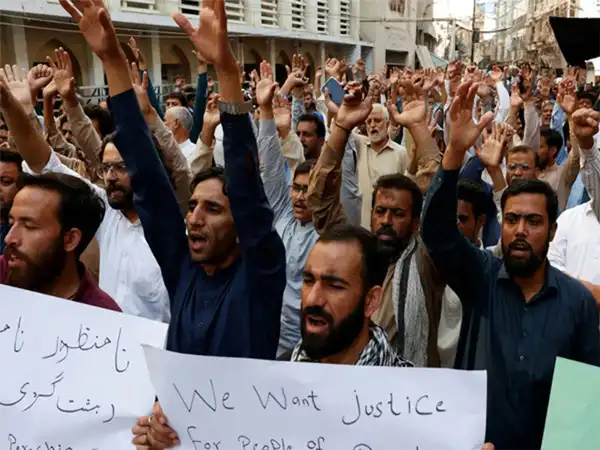
In recent days, Pakistan has witnessed a surge in public protests as citizens express their frustration over soaring petrol and grocery prices. The protests, initiated by the Jamaat-e-Islami party, a prominent far-right Islamist group, have escalated into major demonstrations across the country. Thousands of individuals took to the streets on Friday, voicing their discontent against a newly implemented petroleum levy and ongoing inflation.

Major cities such as Karachi, Lahore, Peshawar, Quetta, Islamabad, Rawalpindi, and Abbottabad became focal points of unrest, with demonstrators reportedly disrupting traffic on critical highways and roads. Protesters displayed placards with messages like “Enough is enough” and “Roll back the levy, roll out relief,” demanding immediate governmental action.

The wave of protest is indicative of widespread public dissatisfaction regarding the economic conditions in Pakistan, as households grapple with increasing costs of living due to heightened fuel prices.

Leaders Condemn Government Policies

Hafiz Naeemur Rehman, the leader of Jamaat-e-Islami, has openly criticised the government’s taxation policies and directed pointed remarks towards Prime Minister Shehbaz Sharif and his Cabinet. He described the current administration and its predecessors as responsible for the prevailing economic turmoil, emphasising that the newly imposed petroleum levy is unacceptable. Rehman insisted that the government must repeal this tax policy.

According to reports, Rehman highlighted that the government had amassed 8 trillion Pakistani rupees through the petroleum levy, accusing the administration of diverting public funds to benefit influential groups instead of providing relief to struggling citizens. He contended that the government’s failure to alleviate financial burdens is a sign of its incompetence amidst rising inflation.

In a defiant proclamation, Rehman dismissed the government’s justification of the International Monetary Fund’s (IMF) economic conditions, stating, “To hell with you and your IMF,” urging the government to halt the oppression of economically vulnerable groups.

Impact of Rising Fuel Prices on the Economy

The imposition of the petroleum levy has further intensified financial strain on Pakistani households, as fuel prices are revised weekly. Petrol prices peaked at 459 Pakistani rupees (Rs 157.26) per litre, while diesel reached 520.35 Pakistani rupees in April, marking a significant burden on consumers. Data indicates that Pakistan has experienced the second-highest fuel price increases globally since the commencement of the Iran conflict, trailing only Myanmar.

In response to fluctuating international oil prices, Petroleum Minister Ali Pervaiz Malik announced that fuel costs would be fixed on a daily basis. This policy not only complicates budgetary planning for families but also contributes to an inflationary spiral affecting various consumer goods throughout the nation.

As the economic situation worsens, the repercussions extend beyond fuel prices, igniting widespread concern over transport costs and essential goods. Pakistan’s economy, already beleaguered by structural inflation, faces ongoing challenges, which are compounded by the recent protests and the governmental response to public dissent.

Long or Short, get news the way you like. No ads. No redirections. Download Newspin and Stay Alert, The CSR Journal Mobile app, for fast, crisp, clean updates!

App Store –  https://apps.apple.com/in/app/newspin/id6746449540 

Google Play Store – https://play.google.com/store/apps/details?id=com.inventifweb.newspin&pcampaignid=web_share

Latest News

Popular Videos
