


World’s First HIV-to-HIV Lung Transplant Successfully Conducted in the US
The CSR Journal Magazine

The recent surgical achievement in the United States has sparked optimism for individuals living with HIV who require vital organ transplants. On March 21, 2026, physicians at NYU Langone Health performed the first lung transplant involving an HIV-positive donor and recipient, significantly increasing the organs available for patients with limited options. This pioneering procedure was executed under a special research protocol sanctioned by the US Food and Drug Administration.

This operation represents a significant milestone for the HIV-positive community, as it expands the potential for suitable donor organs. Dr. Sapna Mehta, the clinical director of the NYU Langone Transplant Institute and a principal architect of the research protocol, emphasised the importance of this achievement in fostering equality in organ transplantation.

Although transplants between HIV-positive individuals are currently conducted primarily under specific research conditions, Dr. Mehta noted that this landmark procedure broadens treatment options for patients awaiting life-saving organ transplants.

Patient’s Health Journey Before Transplant

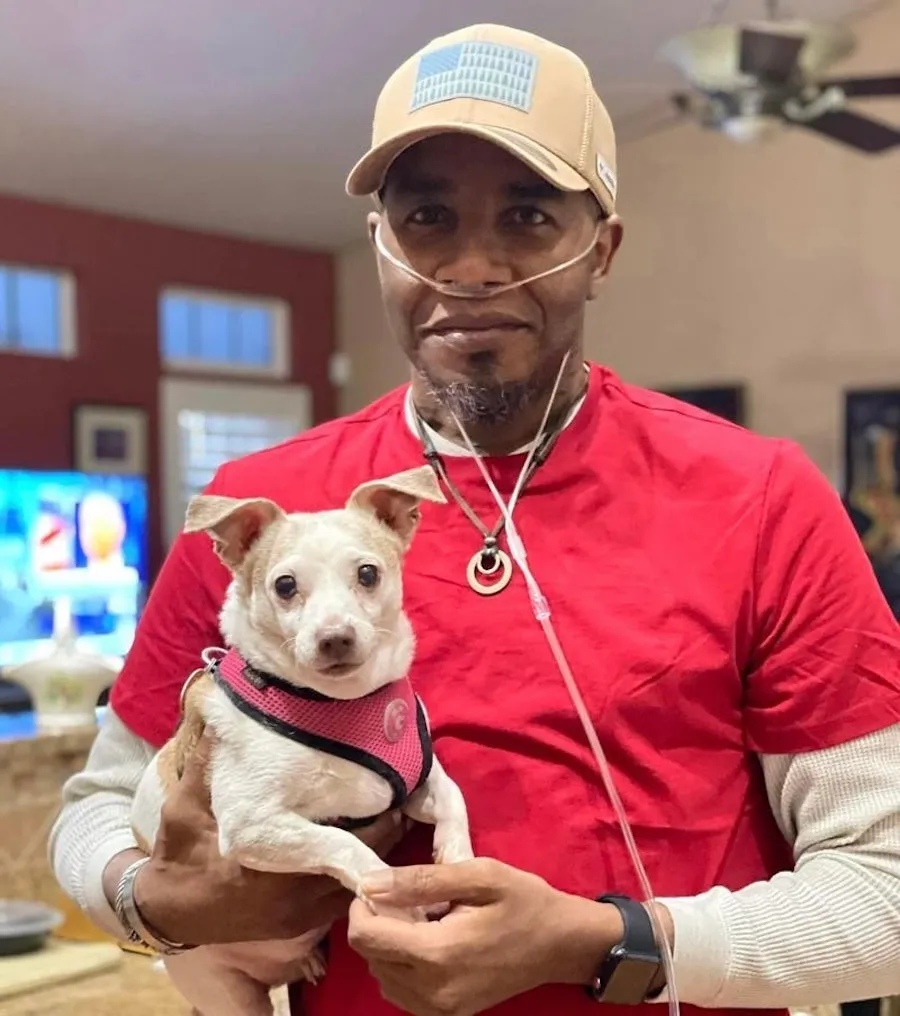
The recipient of the lung transplant, a 56-year-old man named Bertrand Nelson, had been living with HIV for nearly 26 years. His health journey began in 2000 when he was diagnosed with both HIV and sarcoidosis, an inflammatory disease that initially affected his lungs but later went into remission. However, following severe health complications, including Legionnaires’ disease and pneumonia in 2021, his condition deteriorated, ultimately leading to the re-emergence of sarcoidosis that spread to his liver.

By 2024, Nelson faced increasingly severe health issues, requiring more oxygen assistance for breathing. He was subsequently referred to the NYU Langone Transplant Institute, where he enrolled in a research programme established under the HIV Organ Policy Equity (HOPE) Act, enabling organ transplants for HIV-positive donors and recipients as part of this approved research.

The lung transplant was executed alongside a liver transplant on the same day. Dr. Stephanie H. Chang, the surgical director of lung transplantation at NYU Langone, led the lung surgery, while Dr. Karim J. Halazun, the surgical director of liver transplantation, performed the liver procedure.

Patient’s Recovery and Future Implications

Following the successful operation, Bertrand Nelson reported that he no longer required supplemental oxygen for the first time in four years, making significant strides in rebuilding his physical strength after years of limited mobility. Nelson expressed his hope that sharing his experience will inspire others in similar situations and highlight the vital need for organ donations among those living with HIV.

He emphasised the urgent need for increased access to this level of medical care, stating that a greater availability of donor organs improves the chances of finding the right match, ultimately leading to extended life opportunities for many individuals.

This groundbreaking procedure could potentially pave the way for further HIV-positive organ donations, helping to alleviate the critical shortage of donor organs for patients in immediate need. The implications of this pioneering surgery could not only reshape the future of organ transplantation but also enhance the quality of life for countless individuals facing similar health challenges.

Long or Short, get news the way you like. No ads. No redirections. Download Newspin and Stay Alert, The CSR Journal Mobile app, for fast, crisp, clean updates!

App Store –  https://apps.apple.com/in/app/newspin/id6746449540 

Google Play Store – https://play.google.com/store/apps/details?id=com.inventifweb.newspin&pcampaignid=web_share

Latest News

Popular Videos
