


Inflation And IMF Debt Crisis Drives 70 Million Pakistanis Into Poverty
The CSR Journal Magazine

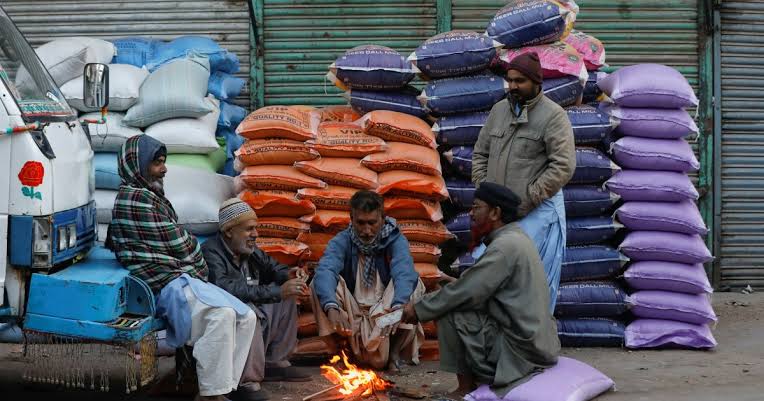
The ongoing economic crisis in Pakistan has led to alarming levels of poverty, affecting millions. The situation has been exacerbated by prolonged inflation, fiscal mismanagement, and external shocks. According to the Economic Survey 2025-26, approximately 70 million citizens now live below the official poverty line as a result of these deteriorating conditions.

The poverty rate in Pakistan has escalated notably in recent years, increasing from 21.9 per cent in 2018-19 to 28.9 per cent in 2024-25. This represents an addition of around 27 million individuals who have recently been pushed into poverty, underlining the urgent need for effective policy changes and economic reforms.

Rural communities have suffered disproportionately from this crisis, with poverty rates surging from 28.2 per cent to 36.2 per cent during the same period. Meanwhile, urban poverty increased from 11 per cent to 17.4 per cent, highlighting that the economic issues affect both rural and urban populations, albeit to varying degrees.

Poverty Spread Across Provinces

Poverty has intensified across all major regions in the country, according to provincial data. Balochistan has emerged as the province with the highest poverty rate, where 47 per cent of the population is estimated to live in deprivation. Following closely are Khyber Pakhtunkhwa at 35.3 per cent, Sindh at 32.6 per cent, and Punjab at 23.3 per cent.

These figures indicate a widespread crisis affecting multiple provinces, each reporting significant increases in poverty compared to 2018-19. The escalating poverty levels across regions suggest that comprehensive strategies are necessary to address the nationwide economic malaise.

The factors contributing to this surge in poverty include various economic shocks such as soaring inflation rates, a weakened Pakistani rupee, and austerity measures aligned with International Monetary Fund (IMF) programmes. Natural disasters, notably the devastating floods, as well as regional conflicts, have also played a role in exacerbating food insecurity and contributing to an overall decline in living standards.

Income Inequality On The Rise

The Economic Survey also highlights a striking rise in income inequality within Pakistan. The Gini coefficient, a measure of income distribution, has risen from 28.4 in 2018-19 to 32.7 in 2024-25. This statistic indicates a growing gap between the rich and the poor, emphasising the need for targeted interventions to address this disparity.

Both urban and rural areas have witnessed significant increases in inequality, with Sindh recording the highest levels among all provinces. This growing divide poses further challenges to social cohesion and economic stability, necessitating focused efforts to promote equitable growth.

As purchasing power declines and food insecurity rises, many families, especially those reliant on remittances, find it increasingly difficult to maintain their livelihoods. Addressing these multifaceted challenges is critical for the future stability and prosperity of Pakistan.

Long or Short, get news the way you like. No ads. No redirections. Download Newspin and Stay Alert, The CSR Journal Mobile app, for fast, crisp, clean updates!

App Store –  https://apps.apple.com/in/app/newspin/id6746449540 

Google Play Store – https://play.google.com/store/apps/details?id=com.inventifweb.newspin&pcampaignid=web_share

Latest News

Popular Videos
