


Western Ghats Face Ecological Crisis as Biodiversity Declines
The CSR Journal Magazine

The Western Ghats, an ancient mountain range in India, is reportedly experiencing a concerning ecological shift, as indicated by a recent two-year study. Conducted between 2021 and 2023 across 144 sites, the survey found nearly 35 per cent of dragonfly and damselfly species, collectively known as Odonata, are now missing from this vital ecosystem. The researchers documented 143 species, representing only about 65 per cent of the area’s known diversity.

This decline serves as an alarming ecological warning, according to Dr. Pankaj Koparde, who led the research. Dragonflies and damselflies are known indicators of environmental health, as their life cycles are entirely dependent on freshwater habitats. When these habitats deteriorate, Odonata populations are among the first to decline, signalling deeper issues within freshwater ecosystems.

The implications of this decline are significant, as it could indicate a broader ecological unraveling within the Western Ghats, a region known for its complex biodiversity and ecological roles.

Significance of the Western Ghats to India

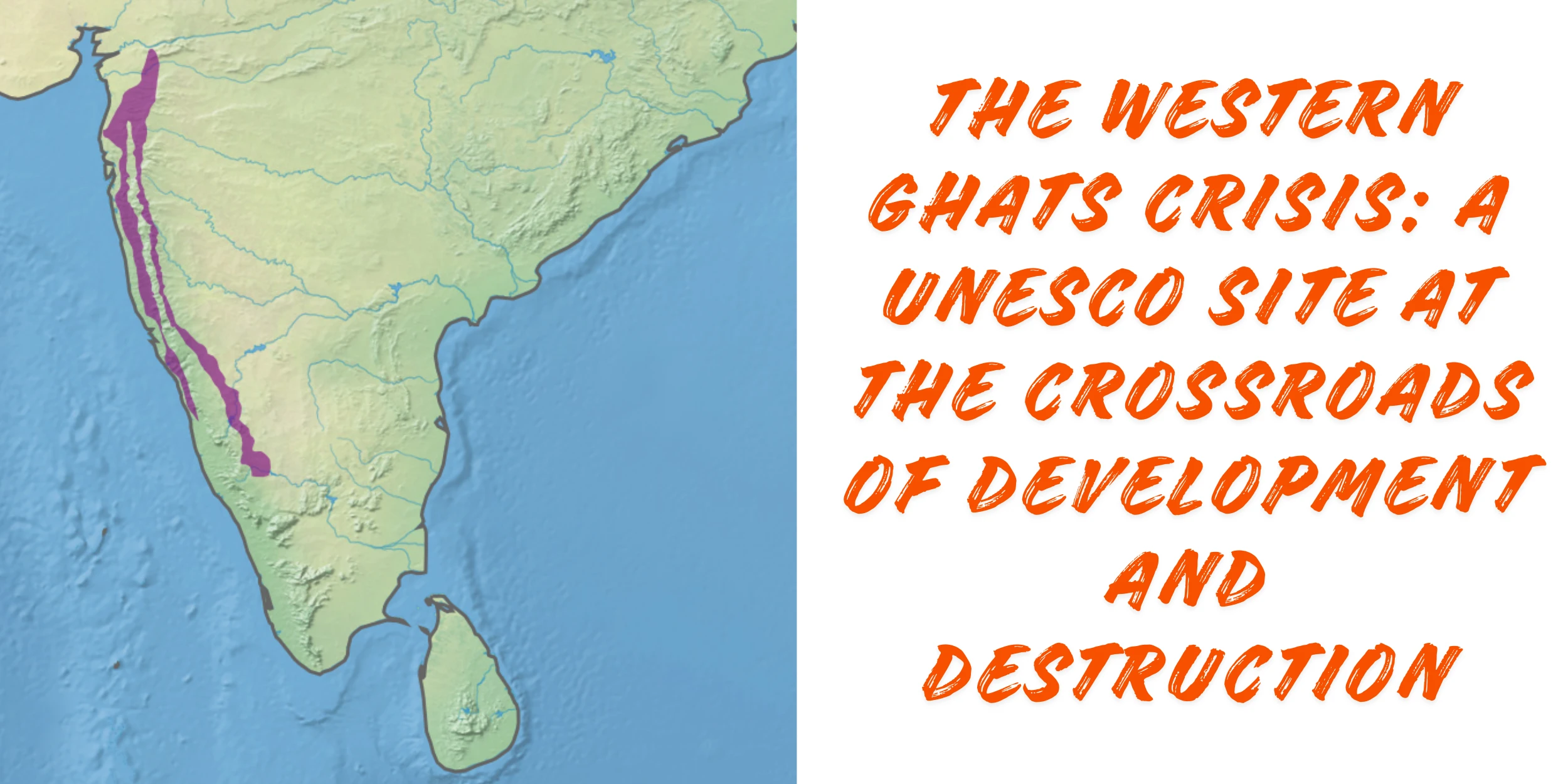
The Western Ghats stretch 1,600 kilometres along India’s western coastline and are often referred to as the country’s ecological backbone. This terminology is not merely figurative but reflects a critical scientific reality. Dr. Sarita Sachdeva, Dean of Research at Manav Rachna International Institute, notes that the Ghats play a vital role in sustaining various environmental processes essential for life across the subcontinent.

These mountains intercept moisture-laden winds from the Arabian Sea, leading to significant rainfall that nourishes major river systems, including the Godavari, Krishna, and Cauvery rivers. Consequently, the Western Ghats act as a natural water reservoir for hundreds of millions of people. Their dense forests contribute to groundwater recharge, maintain stream flows, and stabilise the regional climate, thereby acting as a large carbon sink.

However, despite their ecological importance, the region’s biodiversity is under threat from various human activities, leading to severe consequences for the entire ecosystem.

Threats to Biodiversity and Ecosystems

Globally acknowledged as a biodiversity hotspot, the Western Ghats host unique species such as the Lion-tailed macaque and Nilgiri tahr. Unfortunately, this rich biodiversity is facing increasing pressure from habitat loss due to the conversion of forests into plantations, agricultural land, and urban developments. Studies suggest that significant forest loss has occurred over recent decades, fragmenting natural landscapes.

The fragmentation not only threatens the species that depend on interconnected forests for survival but also affects broader ecological processes. Large mammals like elephants often find their migratory routes obstructed, leading to increased human-animal conflicts as these animals encroach into populated areas.

For smaller species, such as frogs and insects, the impact of habitat loss is even more severe, often resulting in local extinctions. Dr. Koparde emphasises that the disappearance of dragonflies is not an isolated incident but part of a larger ecological shift, exacerbated by factors such as mining operations and changing rainfall patterns.

The urgency of addressing these environmental concerns cannot be overstated, as human actions continue to reshape the delicate balance of life in the Western Ghats and the effects extend far beyond the region.

Long or Short, get news the way you like. No ads. No redirections. Download Newspin and Stay Alert, The CSR Journal Mobile app, for fast, crisp, clean updates!

App Store –  https://apps.apple.com/in/app/newspin/id6746449540 

Google Play Store – https://play.google.com/store/apps/details?id=com.inventifweb.newspin&pcampaignid=web_share

Latest News

Popular Videos
