


Rare Dartford Warbler Makes Remarkable Comeback in Britain
The CSR Journal Magazine

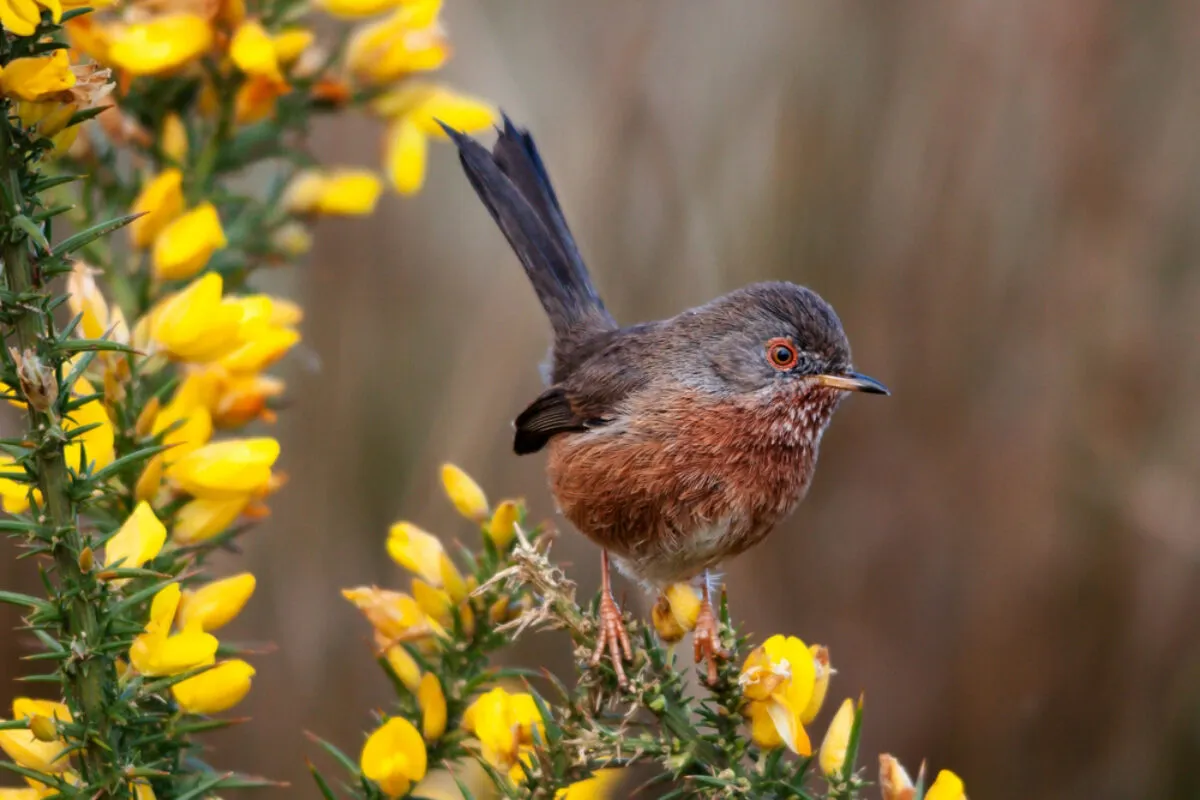
The Dartford Warbler, a small songbird known for its distinctive plumage, faced significant decline throughout the 20th century. By the 1960s, populations had plummeted due to habitat loss, particularly from the expansion of urban areas and intensive agricultural practices. It was nearly extinct in Britain, with estimates suggesting that fewer than 100 breeding pairs remained in the country during this period. Conservation efforts began to be prioritised in response to the rapid decline, aiming to save this species from complete disappearance.

Recent Recovery Initiatives

In recent years, targeted conservation initiatives have successfully aided the resurgence of the Dartford Warbler. The RSPB (Royal Society for the Protection of Birds) has led various projects that focused on habitat restoration and protection. These initiatives involved maintaining and enhancing heathland habitats, which are essential for the warbler’s breeding and feeding. Moreover, volunteers took part in monitoring populations and conducting surveys to assess the bird’s recovery

As a result of these efforts, the Dartford Warbler’s population has grown dramatically. Recent counts indicated an increase of approximately 150 per cent over the past decade. This sharp rise is attributed to sustained habitat management and favourable weather conditions, which have significantly enriched breeding success rates. Observers have noted that the species has begun to thrive in areas where it had previously vanished.

Furthermore, the Dartford Warbler is now breeding across a wider geographic area than before, expanding from its traditional habitats in southern England to other regions. This broadening of its range shows a remarkable adaptability and resilience, highlighting the positive impact of ongoing conservation work.

Significance of the Comeback

The comeback of the Dartford Warbler holds considerable ecological significance. As a species indicative of heathland ecosystems, its recovery suggests improving health in these environments. Heathlands support a unique biodiversity and serve as a crucial habitat for various species, not just the Dartford Warbler. The improvement of such ecosystems benefits other flora and fauna, thereby enhancing overall biodiversity.

Moreover, the successful revival of the Dartford Warbler provides a case study for conservationists and policymakers. It showcases the effectiveness of collaborative efforts in habitat restoration and species monitoring. Engaging local communities in conservation also plays a vital role in the sustainability of these initiatives. By raising awareness and encouraging public participation, the conservation of the Dartford Warbler serves as a model for future projects aimed at preserving endangered species.

Looking ahead, conservationists note that continued commitment and funding are essential to maintain and further this recovery. The future of the Dartford Warbler remains uncertain, contingent upon effective habitat management and ongoing public support for conservation efforts. However, the current trend is a hopeful sign, reflecting the potential for recovery of other species through similar dedicated actions.

Long or Short, get news the way you like. No ads. No redirections. Download Newspin and Stay Alert, The CSR Journal Mobile app, for fast, crisp, clean updates!

App Store –  https://apps.apple.com/in/app/newspin/id6746449540 

Google Play Store – https://play.google.com/store/apps/details?id=com.inventifweb.newspin&pcampaignid=web_share

Latest News

Popular Videos
