


Two Humpback Whales Complete Remarkable 14,500-Kilometre Journey Across the Globe
The CSR Journal Magazine

Two humpback whales have astonished experts by undertaking separate, record-setting migrations from Australia to Brazil, covering distances exceeding 14,500 kilometres. This marks the greatest distance ever logged for the species, highlighting an extraordinary level of mobility not previously documented.

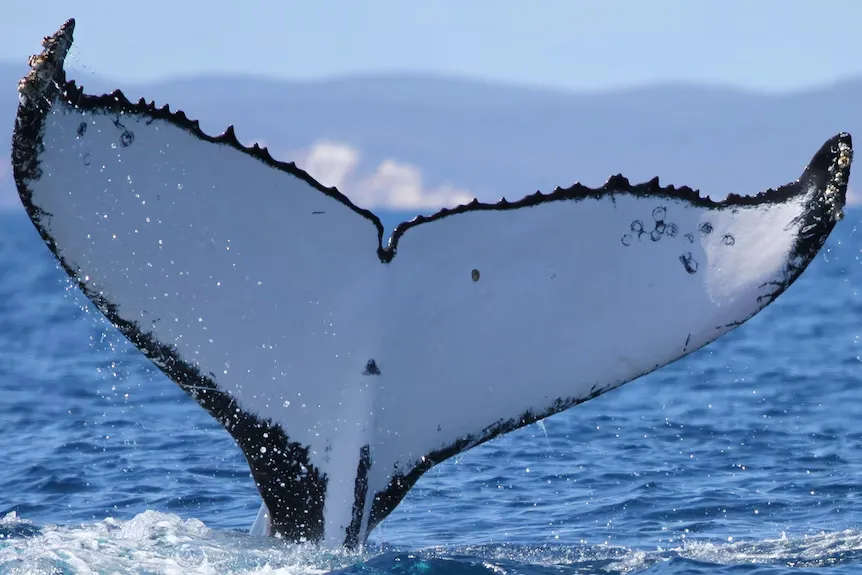
Researchers utilised distinctive patterns on the whales’ flukes, or tail fins, to identify them at breeding sites in eastern Australia and Brazil. Notably, the two whales embarked on their journeys in opposing directions, further accentuating the unusual migration behaviours within the species.

The findings, published in the esteemed journal Royal Society Open Science, are shifting current scientific understanding of whale migration and the interconnections between different whale populations scattered across global oceans.

Research Methodology and Findings

The tracking of these vast marine mammals presents significant challenges, primarily due to their time spent underwater and the duration of their migrations. In this study, scientists analysed over 19,000 photographs of whales gathered over a span of four decades, with contributions from researchers and citizen scientists worldwide.

Employing advanced image-recognition software, the team matched distinct colour patterns and irregular edges of whale tails to track individual whales. Remarkably, one whale recorded a journey of just over 15,000 kilometres, surpassing earlier long-distance records, such as that of a humpback that swam from Colombia to Zanzibar.

Despite the significant findings, researchers acknowledge that the specific routes taken by the whales remain undetermined. Sightings only captured the beginning and end points of their migrations, complicating the understanding of their travel patterns, particularly since these animals do not typically migrate between entirely separate breeding populations.

Implications for Whale Populations and Climate Change

This revelation holds significant implications for how scientists understand the potential impact of climate change on whales. As ocean temperatures rise, the distribution of prey, such as krill, may shift dramatically, necessitating changes in feeding and breeding habitats for humpback whales.

Researchers highlight the importance of improved photo-identification techniques and the role of global citizen-science databases. These tools are increasingly vital in monitoring shifts in the behaviour and movement of some of the most wide-ranging marine animals on Earth.

Long or Short, get news the way you like. No ads. No redirections. Download Newspin and Stay Alert, The CSR Journal Mobile app, for fast, crisp, clean updates!

App Store –  https://apps.apple.com/in/app/newspin/id6746449540 

Google Play Store – https://play.google.com/store/apps/details?id=com.inventifweb.newspin&pcampaignid=web_share

Latest News

Popular Videos
