


US-Iran Framework Aims to Alleviate Tensions and Foster Stability
The CSR Journal Magazine

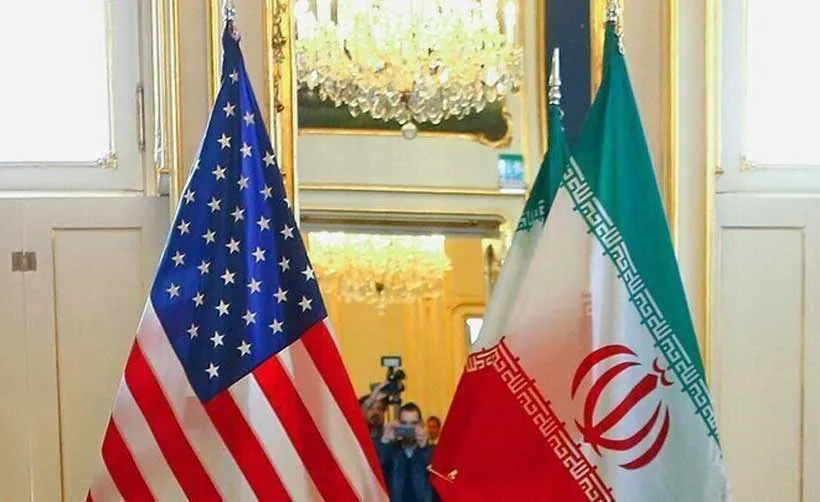
The United States and Iran have reached a draft framework focusing on resolving the longstanding conflicts in West Asia, with the anticipated signing date set for June 19. The arrangement seeks to facilitate the reopening of the Strait of Hormuz and initiate fresh discussions regarding Iran’s nuclear programme. This proposed deal has the potential to alleviate concerns about oil supplies, diminish the possibility of a broader Middle Eastern conflict, and reduce uncertainty in global markets.

Although the complete text of the agreement has not been disclosed, media outlet Reuters has shared crucial details sourced from a senior Iranian official involved with the draft. Iranian media have also provided a more extensive 14-point outline, although the accuracy of some provisions has yet to be independently verified by international news agencies.

Key Components of the Framework

Central to the framework is a commitment to cease hostilities and pave the way for a more comprehensive resolution. The agreement focuses on three primary areas: the reopening of the Strait of Hormuz, economic relief for Iran, and a revival of negotiations regarding Tehran’s nuclear activities. A crucial aspect of the deal includes a 60-day period within which negotiations will address issues that have historically divided both nations.

It is noteworthy that this framework is not a definitive peace treaty but rather an interim arrangement designed to de-escalate current tensions while a more extensive agreement is pursued. The agreement reflects an attempt to establish a more stable environment in the region.

One of the pivotal components of this framework involves the Strait of Hormuz, which is essential to global oil trade. Approximately one-fifth of the world’s oil shipments pass through this strategic waterway, and any disruptions can significantly impact oil prices and global markets.

Economic Incentives and Future Negotiations

Another essential aspect of the proposed deal is the provision of economic relief for Iran. Under the reported terms, the US would refrain from enacting new sanctions while negotiations are ongoing, issue temporary waivers for Iranian oil exports, and release significant amounts of frozen Iranian assets. These measures serve as critical incentives for Iran to participate in the negotiations actively.

For many years, economic sanctions have limited Iran’s access to international financial systems, hindering its ability to benefit fully from its energy exports. The unfreezing of assets would immediately provide liquidity for the Iranian government, facilitating continued engagement in talks.

The issue concerning Iran’s nuclear programme remains sensitive and pivotal for any long-term accord. Iran insists that its nuclear activities are intended solely for peaceful purposes, while the US and its allies express concerns about the potential for weapon development due to high levels of uranium enrichment. The proposed framework would see Iran pledging not to pursue nuclear weapons during the negotiating period.

Challenges Ahead and Potential Implications

The absence of a publicly available complete text of the memorandum has led to varying interpretations of the agreement’s provisions. Reports from Iranian media have detailed a proposed 14-point framework that includes measures to halt hostilities, restore commercial traffic in the Strait of Hormuz, and enact economic cooperation.

As detailed in the framework, negotiations are expected to cover various topics such as regional security, economic reconstruction, and the future of Iran’s uranium stockpiles. The importance of this framework lies not only in its contents but also in its aim to prevent further escalation of conflict in the region.

Moving forward, the proposed agreement may address immediate concerns, but significant challenges remain. Achieving long-term sanctions relief, establishing inspection mechanisms, and delineating limits on uranium enrichment are pivotal topics expected to unfold during the 60-day negotiation window. The success of this framework will depend on a series of conditions that must be met in the coming days.

Long or Short, get news the way you like. No ads. No redirections. Download Newspin and Stay Alert, The CSR Journal Mobile app, for fast, crisp, clean updates!

App Store –  https://apps.apple.com/in/app/newspin/id6746449540 

Google Play Store – https://play.google.com/store/apps/details?id=com.inventifweb.newspin&pcampaignid=web_share

Latest News

Popular Videos
