


US Conducts Twelfth Consecutive Night of Strikes Against Iran Amid Escalating Tensions
The CSR Journal Magazine

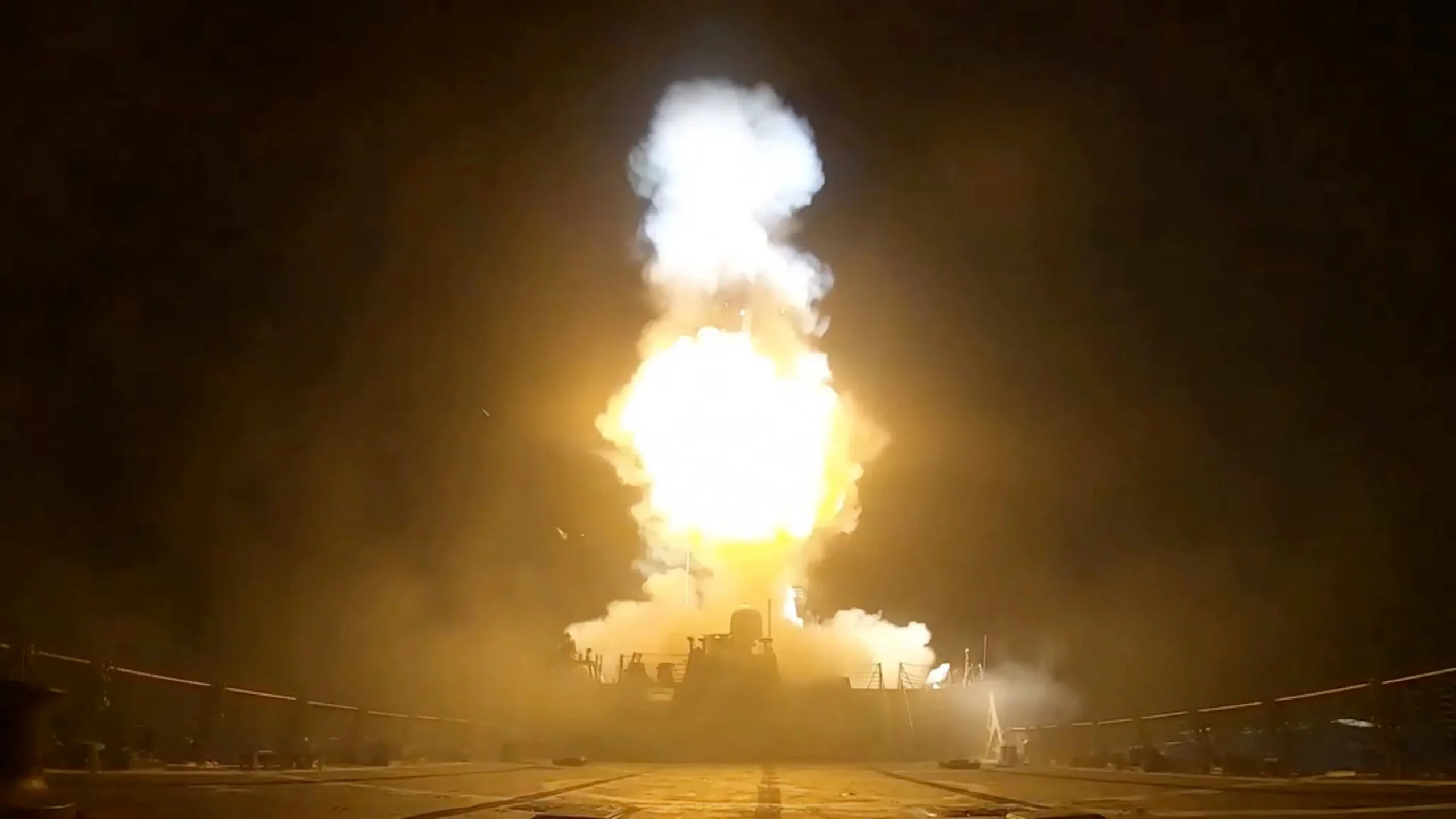
The US military announced on Wednesday that it has launched its twelfth consecutive night of airstrikes against Iran, in response to intensified hostilities that have increasingly targeted civilian infrastructure. The Central Command of the US military stated that these strikes are intended to “further degrade Iran’s ability to threaten civilian mariners and commercial vessels transiting regional waters.” This military approach is part of Washington’s efforts to re-establish control over the crucial Strait of Hormuz, aiming to ensure the safe passage of international shipping through this vital maritime route.

As tensions escalate, protection measures for civilian vessels have reportedly diminished, with both sides suffering from the fallout. President Donald Trump has issued stern warnings, indicating that for each instance where Iran allegedly targets vessels in the strait, the US will retaliate by destroying a significant piece of Iranian infrastructure, including bridges or power plants. In a direct response, Iran’s Foreign Minister, Seyed Abbas Araghchi, proclaimed that Tehran would adhere to an “eye for an eye” defence policy against such actions.

The ongoing conflict has resulted in significant disruptions to one of the world’s key energy transit points, exacerbating global economic challenges and pushing fuel prices higher. Reports indicate that Iranian state media claim US missile strikes occurred near Ahvaz and other locations in western Iran, with casualties being reported. Meanwhile, military officials in Kuwait stated that their air defences were engaged against drone attacks they attribute to Iranian aggression.

Regional and Global Implications

As military conflicts continue, an already critical situation is worsening. The Strait of Hormuz, responsible for approximately one-fifth of global oil and gas trade during peaceful times, remains significantly impacted by these ongoing hostilities. Recent threats from Iran-aligned Houthi rebels in Yemen have raised concerns over additional maritime trade routes, especially targeting Saudi shipping activities in the Red Sea.

During a visit to Dover Air Force Base, on Wednesday, President Trump oversaw the arrival of the remains of four US service members. Meanwhile, Defence Secretary Pete Hegseth disclosed at a Senate hearing that the US has undertaken expenditures amounting to approximately USD 37.5 billion in relation to the conflict. The result has been a sharp rise in oil prices, with benchmark Brent crude prices soaring above USD 93 per barrel.

In conjunction with its military operations, Iran has asserted its right to manage traffic in the Strait of Hormuz, potentially implementing charges for passage, a practice it claims could disrupt traditional free access to the waterway for global shipping. Iranian parliament officials have downplayed Trump’s threats, declaring that the status of the strait will not revert to its pre-war conditions.

Diplomatic Efforts and Future Outlook

Despite ongoing military actions, diplomatic channels appear to be under strain, with little visible progress towards de-escalation. Iranian Interior Minister Eskandar Momeni recently visited Pakistan, a key mediator in the search for renewed dialogue, although limited information on the outcomes has been disclosed. Spokesman Ali Zeinivand confirmed that communication between the parties is still ongoing but did not furnish any specifics.

An anonymous Arab diplomat has expressed concerns regarding the diminishing prospects for peace, noting that regional stakeholders, including Turkey and Pakistan, continue to advocate for de-escalation, yet the situation remains dire. At a recent summit in the Philippines, US Secretary of State Marco Rubio condemned Iran’s aggressive actions in the waterway, emphasising the potential implications of allowing one nation to exert control over international maritime routes.

In the context of these escalating tensions, Trump has suggested that US military involvement may extend to targets like the Pickaxe Mountain nuclear site in Iran, which has not yet been directly targeted. Even as discussions surrounding Iran’s nuclear programme persist, the ongoing conflict continues to generate heightened military and economic pressures, with the prospect for effective diplomacy yet to materialise.

Long or Short, get news the way you like. No ads. No redirections. Download Newspin and Stay Alert, The CSR Journal Mobile app, for fast, crisp, clean updates!

App Store –  https://apps.apple.com/in/app/newspin/id6746449540 

Google Play Store – https://play.google.com/store/apps/details?id=com.inventifweb.newspin&pcampaignid=web_share

Latest News

Popular Videos
