


Typhoon Bavi Makes Landfall in Eastern China, Over 1 Million Evacuated
The CSR Journal Magazine

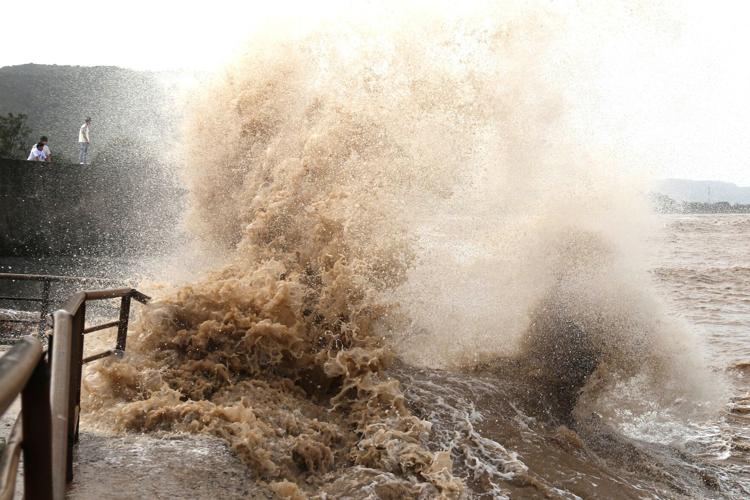
Typhoon Bavi has made landfall in eastern China, bringing severe weather conditions that are expected to impact millions. The storm, classified as a strong typhoon, reached the coast on 30 August 2020. Meteorological authorities have reported winds reaching speeds of up to 120 kilometres per hour as the typhoon approached land, causing widespread concern among local populations.

Authorities initiated extensive evacuation efforts in anticipation of the storm’s impact. They evacuated over 1 million residents from coastal cities and rural areas. The government has implemented emergency response protocols to assist those displaced by the typhoon, ensuring that accommodations and supplies are provided to those in need. These measures aim to minimise potential casualties and property damage.

Meteorological departments have warned of heavy rainfall and flooding associated with the typhoon. The risk of landslides has also increased in hilly areas, provoking fears for safety among residents. Citizens have been urged to stay indoors and heed the advice of local authorities as Bavi continues to move inland.

Government Response and Preparedness

In response to the impending danger posed by Typhoon Bavi, local government bodies have activated emergency response plans. Coordination between various agencies has been established to ensure a cohesive approach to disaster management. Shelters have been set up to accommodate evacuees, particularly in affected provinces, where logistics have been a significant concern.

Authorities have also deployed teams to assess damages and support recovery efforts post-landfall. These teams include emergency responders, medical personnel, and volunteers, all prepared to assist affected communities. Public services, including transportation and utilities, have been placed on alert to prepare for interruptions in service due to the storm’s intensity.

Moreover, the government has emphasised the importance of communication during this time, providing updates via various media channels to keep the public informed of the storm’s progress and recommended safety measures. Social media platforms are also being utilised to disseminate timely information to reach a broader audience.

Potential Risks and Recommendations

As Typhoon Bavi continues to affect eastern China, potential risks remain significant. Experts have highlighted the likelihood of extensive flooding, which could cause irreversible damage to infrastructure and agricultural lands. Essential services such as electricity, water supply, and emergency medical services may face disruptions, further complicating the recovery process.

Authorities recommend that citizens secure their homes, avoid travel unless necessary, and stock up on essential supplies. In addition, residents near coastlines have been cautioned to remain vigilant and adhere to evacuation orders where applicable. Communities are encouraged to check on neighbours and assist those who might require additional help during this challenging time.

The impact of Typhoon Bavi underscores the need for ongoing preparedness measures in the face of extreme weather events. As climate patterns evolve, such storms are anticipated to become more frequent, making stakeholder collaboration essential for improved disaster risk reduction strategies moving forward.

Long or Short, get news the way you like. No ads. No redirections. Download Newspin and Stay Alert, The CSR Journal Mobile app, for fast, crisp, clean updates!

App Store –  https://apps.apple.com/in/app/newspin/id6746449540 

Google Play Store – https://play.google.com/store/apps/details?id=com.inventifweb.newspin&pcampaignid=web_share

Latest News

Popular Videos
