


Trump Claims Iran’s Missile Arsenal Reduced to “Maybe 21, 22 Per Cent”
The CSR Journal Magazine

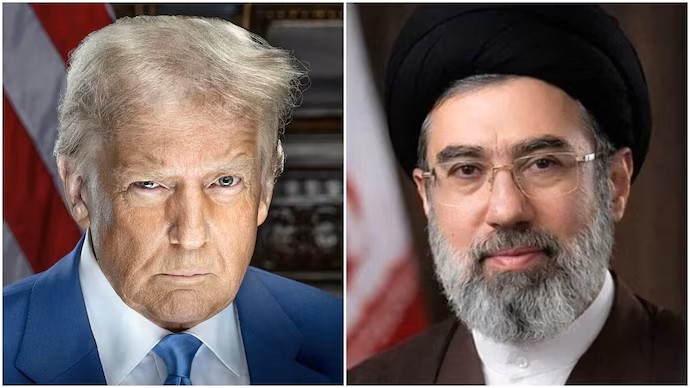
US President Donald Trump has asserted that Iran’s missile capabilities have been significantly diminished, stating that the nation now possesses only a minor fraction of its previous arsenal due to recent military actions. In an interview conducted on June 6, with NBC News’ Meet the Press, Trump declared that the Iranian military structure has been “totally destroyed,” estimating that only 21 to 22 per cent of Iran’s missiles remain operational.

Trump’s comments indicate a confidence in the effectiveness of US military operations against Tehran. He noted that while this remaining stockpile consists of a considerable number of missiles, it pales in comparison to what Iran possessed prior to the conflicts. His remarks were echoed in media outlets, suggesting a firm stance on US military effectiveness in the region.

Contradicting Intelligence Reports

Despite Trump’s claims, reports have emerged indicating that US intelligence agencies believe Iran has been able to regain control of a majority of its missile sites. According to a report from The New York Times, congressional briefings conducted last month revealed that Tehran had restored operational control over 30 of its 33 missile facilities located along the strategically important Strait of Hormuz. Furthermore, these assessments suggested that Iran retains approximately 70 per cent of its missile inventory from before the onset of military actions.

The discrepancy between Trump’s assertions and the intelligence reports raises questions about the accuracy of the information being communicated to lawmakers. While Trump expresses optimism about a swift resolution to the conflicts in the region, legislators may be drawing from a different understanding of Iran’s military capabilities. This divide is particularly pertinent given the current geopolitical landscape and ongoing tensions in the Middle East.

Lebanese President’s Critique of Iranian Influence

Adding to the dynamics in the region, Lebanese President Joseph Aoun has openly criticised Iran’s influence and its support for Hezbollah, a Lebanese militant group. He urged Hezbollah to pursue diplomatic solutions rather than continuing its confrontational stance against Israel. Aoun’s comments reflect a broader concern regarding Iranian interference in Lebanon’s domestic affairs and regional geopolitics.

During a CNN broadcast, Aoun addressed Iran’s Revolutionary Guards, asserting that Lebanon is not under Iranian control and that intervention in Lebanese matters is inappropriate. He emphasised that Iran’s actions are viewed as attempts to leverage Lebanon in its geopolitical negotiations with the United States, calling such tactics unacceptable. His remarks indicate a desire for Lebanon to maintain its sovereignty and prioritise internal stability over external conflicts.

Moreover, Aoun’s comments come in the wake of increased cross-border hostilities, particularly following a rocket attack from Hezbollah into Israel on March 2. This incident and subsequent Israeli retaliation have further exacerbated tensions in the region. Aoun has insisted on the need for constructive dialogue as the sole viable pathway to peace, highlighting the prevalent sentiments among the Lebanese population against continued warfare.

Ceasefire Discussions and Future Prospects

In recent developments, a ceasefire understanding has reportedly been reached in Washington between Israeli and Lebanese representatives. Although the framework dictates a “complete cessation” of hostilities by Hezbollah, it does not specifically require an immediate halt to Israeli military initiatives. The terms of the agreement appear fragile, especially after previous understandings have already been violated.

Aoun conveyed that a significant opportunity exists to end hostilities between Lebanon and Israel, stating that the long-term status of Hezbollah’s armament must be addressed by Lebanese state entities. He outlined that any resolution necessitates not just internal dialogue but also the removal of underlying causes for Hezbollah’s military presence, including Israeli withdrawals and prevention of conflicts across the border.

In concluding his remarks, Aoun challenged Israeli leadership to demonstrate a commitment to peace and indicated that mere military action cannot achieve sustainable strategic goals. He emphasised that the people of Lebanon desire an end to conflict, drawing attention to the broader implications of military operations in achieving political objectives.

Long or Short, get news the way you like. No ads. No redirections. Download Newspin and Stay Alert, The CSR Journal Mobile app, for fast, crisp, clean updates!

App Store –  https://apps.apple.com/in/app/newspin/id6746449540 

Google Play Store – https://play.google.com/store/apps/details?id=com.inventifweb.newspin&pcampaignid=web_share

Latest News

Popular Videos
