


Supreme Court Mandates Installation of Location Tracking Devices and Panic Buttons in Taxis
The CSR Journal Magazine

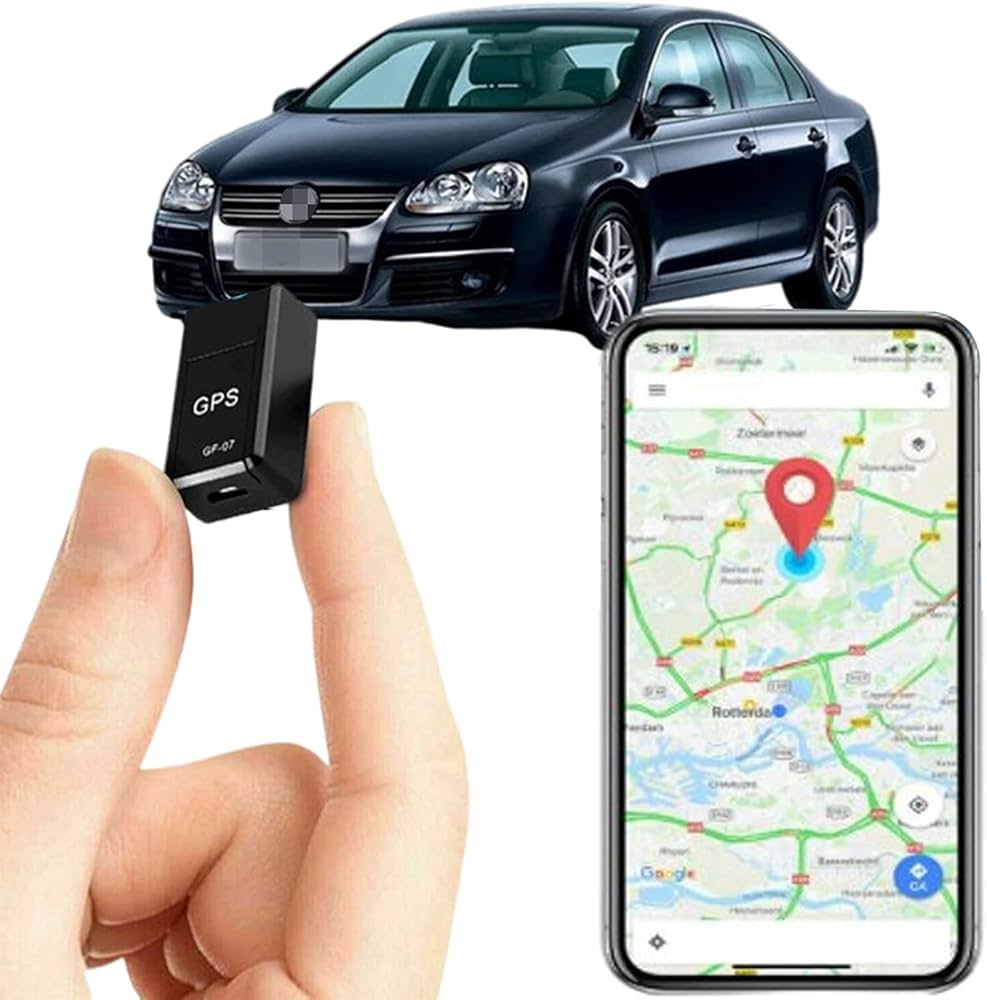
The Supreme Court has issued a directive requiring the installation of vehicle location tracking devices and panic buttons in taxis and other public service vehicles. The ruling, made on May 13, compels all States and Union Territories to enforce these regulations. A Bench comprising Justices JB Pardiwala and KV Viswanathan highlighted the concerning fact that less than one per cent of transport vehicles are currently equipped with such systems.

The court has ordered that Rule 125H of the Central Motor Vehicles Rules, 1989 be implemented rigorously. This includes ensuring that both new and existing public service vehicles are fitted with the required safety features in a definitive timeline. It emphasised that the installation of these devices is vital to safeguarding passengers, particularly vulnerable groups such as women, children, and senior citizens.

Furthermore, the court made it clear that no public service vehicle would be eligible to obtain a fitness certificate or a transport permit unless it is fitted with Vehicle Location Tracking Devices (VLTDs) and emergency panic buttons. The court also indicated that the installation must be documented in the Vahan App, ensuring accountability.

Implementation Challenges and Government Consultations

The apex court has recognised the need for vehicle manufacturers to incorporate VLTDs and panic buttons at the manufacturing stage before the vehicles are sold to the public. To assess the feasibility of this suggestion, the court directed the Central government to engage in consultations with automobile manufacturers nationwide and to submit a report regarding these discussions.

This ruling is part of a broader examination of road safety measures within the country. The court also acknowledged that the absence of lane driving in India contributes significantly to road accidents. The Bench urged the government to take appropriate action to address this issue, suggesting that promoting lane discipline could lead to a notable reduction in road casualties.

In addition to these safety measures, the court expressed its dissatisfaction with several States that have failed to report on the implementation of rules requiring the installation of speed-limiting devices, also known as speed governors, in vehicles. The court maintains that all vehicle manufacturers are mandated to equip their vehicles with such devices as part of road safety standards.

Background of the Case and Road Safety Concerns

This directive stems from a public interest litigation filed in 2012 by S Rajaseekaran, an orthopaedic surgeon from Coimbatore, who raised alarms over the increasing frequency of road accidents in India. He has advocated for coordinated efforts to enhance road safety and improve existing infrastructure as well as post-accident care facilities in order to minimise fatalities and injuries among road traffic victims.

Over the years, the Supreme Court has been consistently issuing directives aimed at improving road safety, reflecting the ongoing concern over this critical issue. The court has also taken note of the fact that the National Road Safety Board has yet to be established, despite prior instructions and an extension of three months to facilitate its formation.

The latest ruling reinforces the court’s commitment to enhancing safety measures across the nation and urges a thorough and immediate approach to implementing these necessary regulations in conjunction with the government’s responsibilities for road safety improvements.

Long or Short, get news the way you like. No ads. No redirections. Download Newspin and Stay Alert, The CSR Journal Mobile app, for fast, crisp, clean updates!

App Store –  https://apps.apple.com/in/app/newspin/id6746449540 

Google Play Store – https://play.google.com/store/apps/details?id=com.inventifweb.newspin&pcampaignid=web_share

Latest News

Popular Videos
