


Study Disproves Neanderthal Hybrid Theory of 1973 German Skull
The CSR Journal Magazine

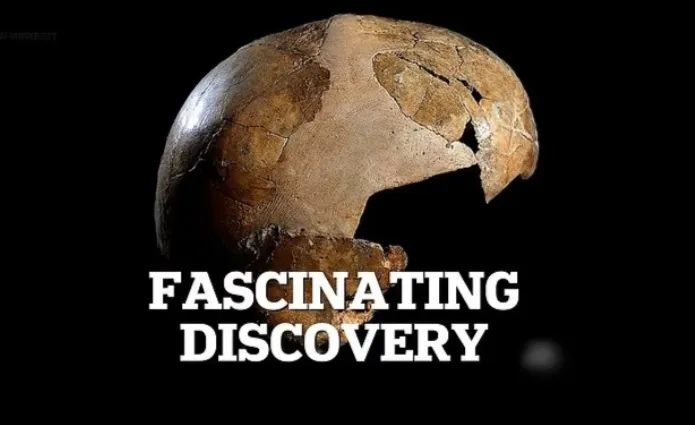
A skull discovered in Germany in 1973 has long been the subject of intrigue and speculation, originally believed to be a hybrid between Neanderthals and modern humans. The skull was unearthed in the vicinity of the village of St. Wendel and immediately sparked scientific interest due to its distinct features that did not fit neatly into established categories of ancient human remains. Its unexpected anatomical traits posed questions regarding its origin and evolutionary significance.

Research Methodology

A recent study employing advanced scientific techniques has challenged prior assertions regarding the skull’s classification. Researchers utilised cutting-edge genomic analysis, including DNA sequencing, to glean new insights into the biological makeup of the specimen. This refined approach has allowed scientists to conduct a thorough examination of the skull’s genetic markers, enabling them to compare its features to those of known human ancestor species.

The analysis revealed notable similarities between the skull’s genetic structure and that of a Homo sapiens, contrasting sharply with previous theories linking it to Neanderthal characteristics. The team highlighted the importance of this methodology, affirming that modern techniques can significantly enhance our understanding of ancient remains faced with centuries of speculation.

Upon examining the data, researchers concluded that the skull is likely not a hybrid as was previously assumed. By disseminating their findings, they aim to clarify misconceptions that have surrounded this particular specimen for decades. This aligns with a broader effort within the scientific community to re-evaluate the narratives surrounding human evolution using improved technology.

Implications for Understanding Human Evolution

The implications of this study extend beyond the individual skull itself, offering new perspectives on the relationships between different human species. As scientists gather more data regarding ancient human artefacts and remains, there may be a shift in understanding the complexities of human ancestry. The findings suggest that the evolutionary history of humans is more intricate than earlier hypotheses proposed, potentially reshaping the way anthropologists approach the topic.

This recent development raises critical questions about the criteria used historically to define species and hybrids within the human lineage. It underscores the need for continuous research and the application of innovative techniques in anthropology and archaeology. Scholars are now urged to consider the impact of modern scientific advancements on the exploration of human origins.

Moreover, the study serves as a reminder of the dynamic nature of scientific inquiry, highlighting how earlier conclusions may require reevaluation in light of new evidence. The outcomes of this research are expected to prompt further investigations into similar ancient remains, encouraging interdisciplinary dialogue between genetics, archaeology, and anthropology.

Future Research Directions

As the academic community begins to digest these revelations, many researchers are looking toward future directions that could enrich the study of human evolution. The potential for new discoveries remains vast, with ongoing excavations and advancements in genetic analysis paving the way for additional findings. It is anticipated that further studies will focus on specimens from related archaeological sites to strengthen the understanding of human and Neanderthal interactions.

The collaboration between geneticists and anthropologists also represents a promising avenue for research, as it combines various expertise to yield more comprehensive insights. Interdisciplinary partnerships could lead to groundbreaking discoveries regarding human ancestry, promoting a holistic perspective on evolutionary biology.

Overall, the reclassification of the 1973 skull underscores a pivotal moment in the evolving narrative of human history. As researchers continue their work, there is hope that these ongoing efforts will yield further clarity and excitement surrounding the story of humanity’s past.

Long or Short, get news the way you like. No ads. No redirections. Download Newspin and Stay Alert, The CSR Journal Mobile app, for fast, crisp, clean updates!

App Store –  https://apps.apple.com/in/app/newspin/id6746449540 

Google Play Store – https://play.google.com/store/apps/details?id=com.inventifweb.newspin&pcampaignid=web_share

Latest News

Popular Videos
