


Amateur Explorer Discovers Hidden Cave in France with Ancient Art and Burials
The CSR Journal Magazine

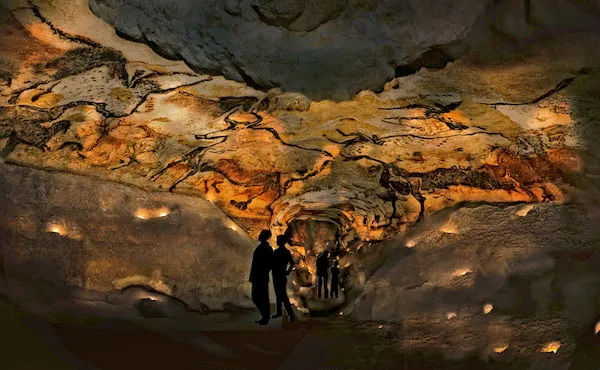
An amateur explorer made a significant discovery in France by uncovering a cave that had remained hidden for centuries. This cave, located in a remote area, contained remarkable ancient art, as well as evidence of burials, shedding light on a previously unknown chapter of history. The explorer’s findings have sparked the interest of archaeologists and historians, as the cave appears to date back to prehistoric times.

The intricate art found within the cave walls is believed to have been created by early human inhabitants who lived in the region. These artworks consist of depictions of animals and symbols that reflect the cultural practices and beliefs of these ancient communities. The discovery has opened a new avenue for research into the artistic expressions of early civilizations.

Significance of the Art and Burials

The ancient art found inside the cave is of exceptional importance, as it represents one of the earliest known forms of human creativity. Researchers are currently analysing the paintings to understand the techniques used by the original creators and to gather information about the tools that may have been utilised. The art not only provides insight into the aesthetic values of the time but also hints at the relationship between humans and their environment.

Additionally, the presence of burial sites within the cave adds another layer of significance to the discovery. Preliminary examinations indicate that the burials might belong to individuals from a time period thought to be crucial for the development of human culture in the region. This could possibly lead to a better understanding of the burial practices and social structures of prehistoric communities.

The cave has attracted attention from various academic institutions and researchers, prompting collaborative efforts to study its contents. Excavation and preservation efforts are being planned to ensure that the findings are well-documented and maintained for future generations. As more information is gathered, this site may contribute to a broader understanding of human history in Europe.

Future Research and Exploration Plans

Academics from different fields are keen to explore the newly discovered cave further, with planned excavations that will aim to reveal more about the lives of those who once inhabited the area. The initial findings could pave the way for more in-depth research projects focusing on similar sites across Europe. Such studies might provide a comparative perspective on cultural expressions and social organisation during prehistoric times.

Moreover, technology is expected to play a crucial role in ongoing explorations. Advanced imaging techniques and archaeological methodologies may help to unearth further details from the cave, allowing researchers to reconstruct the environmental conditions and lifestyle of its ancient inhabitants. As excavation progresses, the hope is that the cave will yield more artefacts that can enhance understanding of the prehistoric culture.

Overall, the discovery of this cave marks a significant milestone in archaeological research in France. As studies continue, the findings will likely influence the narrative of human history in the region and beyond. The collaborative initiatives between the discovery’s initial discoverers and academic institutions underscore the importance of preserving and studying such sites for their educational value.

Long or Short, get news the way you like. No ads. No redirections. Download Newspin and Stay Alert, The CSR Journal Mobile app, for fast, crisp, clean updates!

App Store –  https://apps.apple.com/in/app/newspin/id6746449540 

Google Play Store – https://play.google.com/store/apps/details?id=com.inventifweb.newspin&pcampaignid=web_share

Latest News

Popular Videos
