


Struggling with Belly Fat? This Simple Post-Meal Habit Could Help
The CSR Journal Magazine

Belly fat is a prevalent health issue faced by many adults today. Unlike fat stored in other parts of the body, visceral fat that accumulates around the abdomen is connected to various serious health conditions, including type 2 diabetes, heart disease, and metabolic disorders. Recognising these risks has prompted individuals to seek effective strategies for managing and reducing belly fat.

While many traditionally focus on rigorous exercise routines or strict dietary regimens to address this concern, recent research indicates that a simpler approach may be equally beneficial. A growing body of evidence shows that engaging in brief walks after meals can yield significant health benefits, including the management of blood sugar levels.

Researchers have highlighted methods to enhance the body’s metabolic responses, especially the impact of walking on glucose regulation. Studies published in Scientific Reports suggest that a mere ten-minute walk at a moderate pace post-meal can effectively diminish the surges in blood sugar that typically follow eating.

Impact of Post-Meal Walking on Blood Sugar and Fat Storage

After consuming food, the body breaks down nutrients, releasing glucose into the bloodstream. If blood sugar levels spike too high and remain elevated, the body is likely to convert excess energy into fat storage. This process can ultimately lead to increased abdominal fat accumulation.

Engaging in post-meal walking activates the body’s muscles, which utilise glucose as fuel, thus helping to lower blood sugar levels. As the muscles engage, the amount of glucose in circulation following meals is reduced. This activity not only aids in better glucose management but also influences insulin levels—both of which are critical factors associated with fat storage.

Regularly incorporating walks after meals may boost insulin sensitivity, allowing the body to utilise glucose efficiently instead of storing it as fat. This simple daily habit can play a key role in improving overall metabolic health.

Health Benefits of Post-Meal Walking

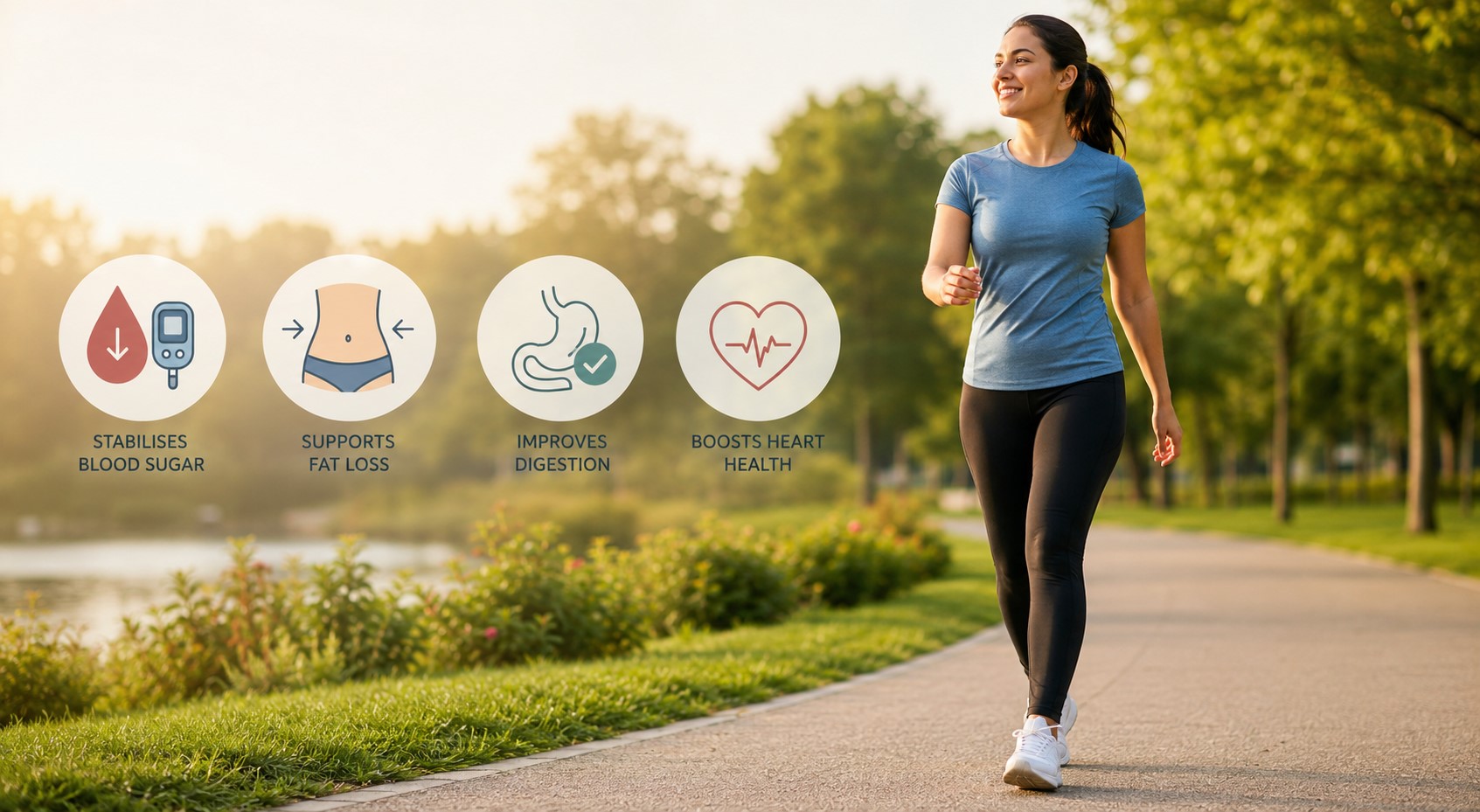
Several health advantages are associated with taking a walk after meals. Firstly, it promotes improved digestion by aiding food movement through the digestive tract. Many individuals report feeling bloated or sluggish after eating, and walking can alleviate these symptoms by encouraging digestive activity.

Additionally, studies have suggested that even a short walk can assist in managing post-meal blood sugar spikes, which is of particular importance for individuals with diabetes or insulin sensitivity issues. Stabilising blood sugar levels reduces the likelihood of excess glucose being converted into fat.

While a single ten-minute walk does not burn a significant number of calories, establishing this habit after each meal can contribute to increased physical activity over time. The cumulative effect of these walks may lead to reduced belly fat when combined with healthy eating practices.

Moreover, post-meal walks can help alleviate bloating and gas. Many people struggle with discomfort after consuming large portions or difficult-to-digest foods. Walking can help ease this discomfort and improve overall feelings of well-being after meals.

Finally, walking is recognised as a beneficial form of cardiovascular exercise. Regular activity can enhance circulation and support healthy blood pressure, further reducing the risk associated with excess belly fat, particularly concerning heart health.

Long or Short, get news the way you like. No ads. No redirections. Download Newspin and Stay Alert, The CSR Journal Mobile app, for fast, crisp, clean updates!

App Store –  https://apps.apple.com/in/app/newspin/id6746449540 

Google Play Store – https://play.google.com/store/apps/details?id=com.inventifweb.newspin&pcampaignid=web_share

Latest News

Popular Videos
