


Rebellion in TMC as Mamata Banerjee Claims Leadership Role
The CSR Journal Magazine

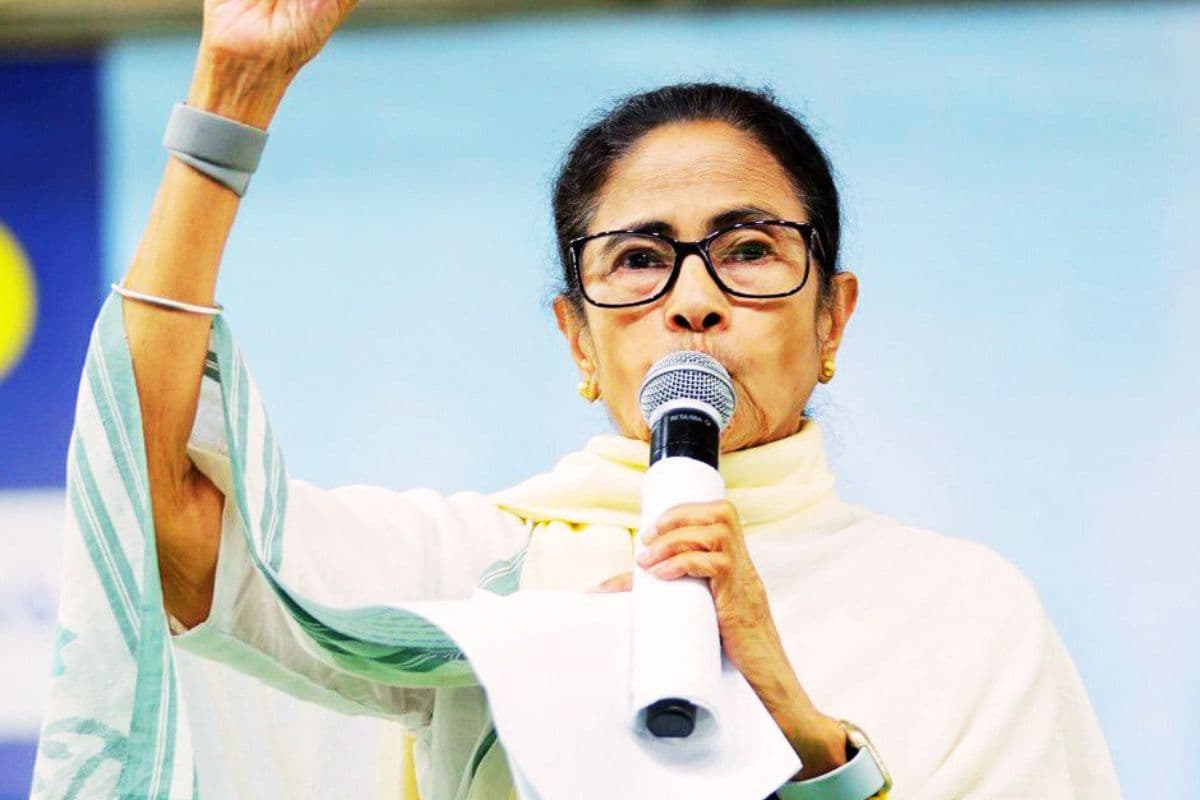
The ongoing conflict within the Trinamool Congress (TMC) has intensified as Mamata Banerjee asserted her position as the party chairperson in a letter to the Election Commission. This statement emerged amidst a backdrop of dissent, with approximately fifty-eight party MLAs reportedly rebelling against her leadership and nominating Arup Roy as the new chairperson. The internal struggle has escalated tensions, signalling a significant shift within one of West Bengal’s primary political organisations.

Mamata Banerjee, the former Chief Minister of West Bengal, submitted an updated list of party officials to the Election Commission, which confirmed her continued role at the helm of the TMC. This list was dated June 20 and included Subrata Bakshi as Vice President, Abhishek Banerjee serving as National General Secretary, and Derek O’Brien and Dola Sena acting as Joint Secretaries.

Following the rebel MLAs’ announcement, Banerjee emphasized her claim by sharing a 24-member National Working Committee (NWC) structure, which she had compiled. The dissident group, however, highlighted the elevation of Arup Roy as part of their new leadership structure, signalling a potential fracture within the party.

Allegations of Anti-Party Activities

The TMC’s disciplinary committee has responded to the upheaval by issuing show-cause notices to several prominent leaders, including Firhad Hakim and Javed Khan. These leaders have been accused of participating in activities detrimental to the party’s unity. The notices reflect the seriousness of the rift and the party’s efforts to restore order amidst the chaos.

Ritabrata Banerjee, the newly appointed Leader of Opposition in the West Bengal Assembly, confirmed the reconstitution of the TMC leadership, stating that Arup Roy was unanimously elected as the new chairperson during a special session held earlier. This session also resulted in the formation of a new 30-member NWC, which included several individuals known for their influential positions within the party.

Banerjee reiterated the need for Mamata Banerjee to assume a mentoring role in guiding the party, further illustrating the divide between factions within the TMC. The call for Banerjee’s mentorship highlights the desire for experienced leadership, amidst rising tensions within the party ranks.

Implications of the Leadership Crisis

The divisions within the TMC follow significant grievances about control over party funds, leadership roles, and the party’s election symbol. These aspects have become crucial points of contention as the factions emerge, each seeking to establish their legitimacy within the organisation.

Amidst this turmoil, party members are confronted with the challenge of aligning themselves with either Banerjee or the dissenting group led by Ritabrata Banerjee. The ongoing struggle for the title of the “real TMC” has implications not only for party cohesion but also for West Bengal’s political landscape as a whole.

As the situation develops, it remains essential to monitor the actions taken by both factions and the reactions from the electorate in West Bengal, as the ultimate outcome could significantly influence the region’s political dynamics.

Long or Short, get news the way you like. No ads. No redirections. Download Newspin and Stay Alert, The CSR Journal Mobile app, for fast, crisp, clean updates!

App Store –  https://apps.apple.com/in/app/newspin/id6746449540 

Google Play Store – https://play.google.com/store/apps/details?id=com.inventifweb.newspin&pcampaignid=web_share

Latest News

Popular Videos
