


Abhishek Banerjee Confronts Speaker Over 20 TMC Rebel MPs as Post-Election Mutiny Spills into Lok Sabha

The CSR Journal Magazine

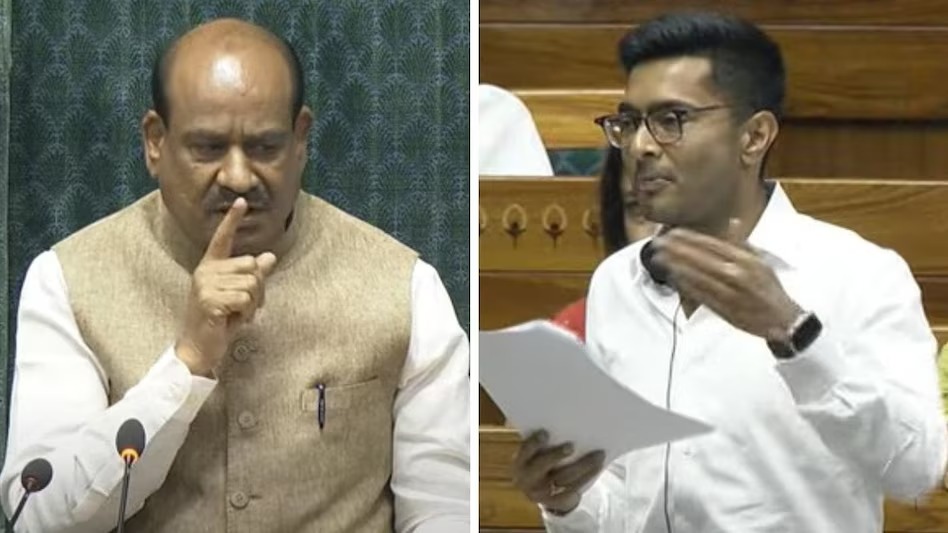
The political repercussions from the 2026 West Bengal Assembly election loss recently emerged in the Lok Sabha, where Trinamool Congress (TMC) Parliamentary Party leader Abhishek Banerjee held a significant meeting with Lok Sabha Speaker Om Birla. The discussion, lasting approximately 20 minutes, centred on the TMC’s request to expedite disqualification processes concerning 20 rebel MPs, including prominent figures Sudip Bandyopadhyay and Dr Kakoli Ghosh Dastidar. These members had diverged from the party in June amid internal disputes following the election outcome.

The faction in question, which constitutes over two-thirds of TMC’s 28 MPs in the Lok Sabha, has sought to sidestep the stipulations of the Tenth Schedule, known as the Anti-Defection Law, by announcing a merger with the Nationalist Citizens Party of India (NCPI), based in Tripura. This strategic manoeuvre raised questions regarding the legitimacy of the MPs’ actions and the implications for TMC’s parliamentary presence.

Seating Arrangements and Parliamentary Reactions

In response to the ongoing situation, Speaker Birla provided separate seating for the 20 TMC rebels within the House. However, he reportedly demonstrated reluctance to confirm their disqualification status or officially endorse the NCPI merger. Banerjee urged Birla to not only fast-track the disqualification petitions but also reconsider the seating configuration for the remaining eight loyal TMC MPs who have remained steadfast to the party.

The events in the Parliament led to heightened tensions as various Opposition parties staged a walkout during a pre-session all-party meeting, protesting the NCPI’s invitation prior to any formal ruling from the Speaker regarding the merger. Opposition leaders argued that extending this invitation breached parliamentary protocols, especially since the merger had not yet received formal acknowledgment or approval from the Speaker.

Post-walkout, the Opposition leaders re-entered the meeting, having made their objections clear. As the Monsoon Session of Parliament began, Speaker Birla’s decision to provide separate seating for the rebel MPs remained a focal point of contention, while the formalisation of their merger with the NCPI awaited clarification.

Political Implications Ahead of the Monsoon Session

The commencement of the Monsoon Session on Monday saw Speaker Birla’s approval of distinct seating arrangements for the aforementioned breakaway MPs. However, the status of the official merger with the NCPI was still unresolved, leaving the political landscape uncertain. The internal discord within the TMC, marked by defections and realignments, could significantly influence legislative proceedings and party dynamics in the coming weeks.

As the session unfolds, the interactions between TMC leaders and parliamentary authorities will likely play a crucial role in shaping both the party’s future and the legislative agenda. The outcome of disqualification petitions and the recognition of the NCPI merger could set precedents within the robust framework of Indian parliamentary rules.

In the broader context, the situation exemplifies the challenges faced by political parties in maintaining unity and coherence, particularly in the wake of electoral setbacks. As discussions continue and political manoeuvrings take place, the impact on governance and legislative effectiveness will remain a key area of observation.

Long or Short, get news the way you like. No ads. No redirections. Download Newspin and Stay Alert, The CSR Journal Mobile app, for fast, crisp, clean updates!

App Store –  https://apps.apple.com/in/app/newspin/id6746449540 

Google Play Store – https://play.google.com/store/apps/details?id=com.inventifweb.newspin&pcampaignid=web_share

Latest News

Popular Videos