


Protests Erupt in Pakistan-Occupied Kashmir Amid Violent Government Crackdown
The CSR Journal Magazine

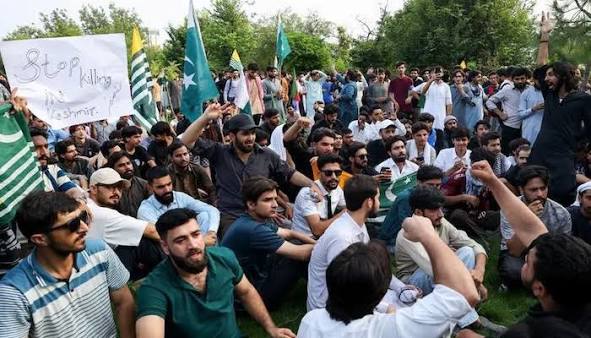
A series of protests in Rawalakot, located in Pakistan-occupied Kashmir, has escalated into a deadly crackdown by security forces. The area has recently witnessed significant civil unrest, with residents voicing their demands for political rights and economic justice. One locality, in particular, has become emblematic of the violence, as families lament the loss of their loved ones amid clashes between protesters and security personnel. The situation has raised concerns about the use of force against a civilian population, with many alleging that young individuals bear the brunt of the violence.

Local medical facilities struggle to cope with the influx of injuries stemming from confrontations. Dr Anwar, operating out of a makeshift clinic, reported treating numerous severe injuries, including gunshot wounds. He explained that while they could manage basic first aid, serious injuries necessitated transfer to advanced medical facilities, which have been avoided by many protesters due to fear of repercussions. This dynamic highlights the increasing distress among residents, who feel trapped between their quest for rights and the threat of government retaliation.

Since July 27, the clinic has seen a staggering number of patients, with estimates indicating that between 50 and 60 individuals have required immediate care. Dr Anwar noted a particular trend among the victims, stating most casualties were young men between the ages of 15 and 35, underscoring the generational impact of these protests.

Motivations Behind the Protests

The protests are primarily led by the Joint Awami Action Committee (JAAC), an organisation advocating for access to affordable electricity, improved healthcare, and political rights. The JAAC accuses the central government of longstanding interference in local affairs, calling for greater autonomy and a fairer distribution of resources. Their demands reflect a broader discontent with ongoing administrative issues and economic hardships faced by the populace.

Families of injured or deceased protesters have expressed their sorrow and frustration. Ali, a friend of a shooting victim, shared the sentiment that their only request was for basic rights and necessities. Asma, who lost her son during the demonstrations, articulated a similar sentiment, stating that the protesters did not resort to violence but were merely seeking justice. This collective narrative underscores a widespread belief among supporters that their cause is just and not one of terrorism, despite government characterisation of the protests.

Retired military personnel, such as Ayub, have also voiced their concerns regarding the government’s heavy-handed approach, likening the current conditions to periods of military rule. They regard the deployment of paramilitary forces as excessive and contribute to the ongoing cycle of violence. These prevailing sentiments illustrate the diverse and complicated nature of public opinion regarding the current unrest.

Government Response and Ongoing Unrest

The Pakistani government has refuted allegations of indiscriminate violence by security forces, asserting that actions taken were solely against those who posed a threat to public safety. Amid communication blackouts and roadblocks, obtaining accurate information from the area remains challenging, complicating independent assessments of the situation. Meanwhile, shortages of basic supplies, including food and medical assistance, are reported, with local residents relying on limited resources, a situation the government has contested.

In parallel to these events, elections in Pakistan-occupied Kashmir saw a significant victory for the Pakistan Muslim League-Nawaz (PML-N). The ongoing protests and civil unrest coinciding with the electoral process have further complicated the political landscape. Leaders of the JAAC have vowed to continue their demonstrations until their demands are met, while the authorities insist on maintaining law and order.

As the standoff continues, both sides appear entrenched in their positions, highlighting the challenges faced in seeking resolution. The international community has been urged to take note of the human rights conditions in the region, as calls for accountability from both local and foreign entities carry on. The situation remains fluid, with no clear end in sight to the escalating tensions and protests in Rawalakot.

Long or Short, get news the way you like. No ads. No redirections. Download Newspin and Stay Alert, The CSR Journal Mobile app, for fast, crisp, clean updates!

App Store –  https://apps.apple.com/in/app/newspin/id6746449540 

Google Play Store – https://play.google.com/store/apps/details?id=com.inventifweb.newspin&pcampaignid=web_share

Latest News

Popular Videos
