


Rawalpindi and Islamabad Grapple With Acute Water Crisis as Daily Shortfall Crosses 60 Million Gallons

The CSR Journal Magazine

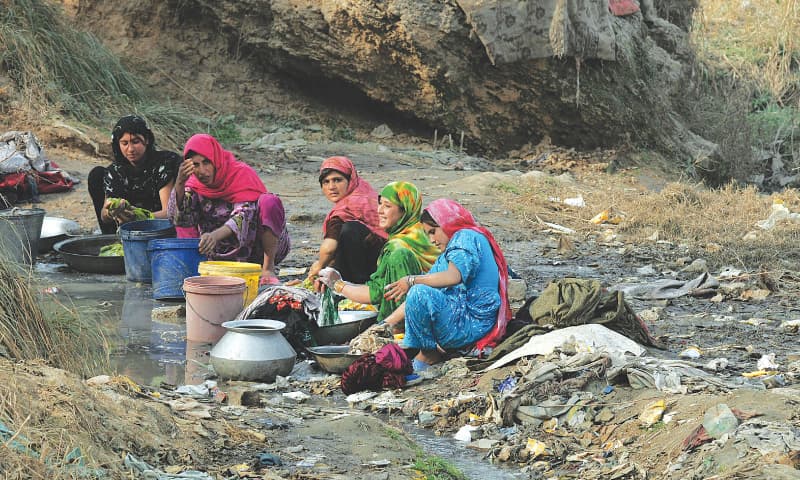
Pakistan is grappling with a worsening governance crisis that has exacerbated the water emergency in the cities of Rawalpindi and Islamabad. As summer temperatures rise, residents are encountering significant water shortages. Reports indicate that the daily water deficit in Rawalpindi and adjacent cantonment areas has surged to over 60 million gallons.

The combined daily demand for water in these regions has reportedly reached approximately 130 million gallons. In stark contrast, local officials are currently supplying less than 70 million gallons per day, resulting in a substantial shortfall. Concerns have been raised that the situation may deteriorate further as the months progress.

Efforts are being made to address this crisis through long-awaited infrastructure projects, including the Chahan Dam, Daducha Dam, and Cherah Dam initiatives. Once operational, these schemes are expected to contribute nearly 80 million gallons of additional water daily. However, experts warn that the population growth in these cities may exceed the gains anticipated from these projects.

Stalled Infrastructure and Insufficient Supply

Plans to enhance water supply through the Ghazi Water Channel, linking Rawalpindi and Islamabad with the Indus River, have been stagnant for several years. Initially projected to incrementally expand water supply to 500 million gallons across multiple phases, there has been minimal progress in realising this ambitious goal.

In the cantonment areas, the water crisis is particularly acute. The Rawalpindi Cantonment Board aims to secure around 50 million gallons daily but is currently able to provide only approximately 12.78 million gallons. This stark difference results in a daily shortfall of over 37 million gallons, leaving local residents with inadequate access to this essential resource.

In Rawalpindi city, which is overseen by the Water and Sanitation Agency (WASA), the water demand stands at nearly 70 million gallons each day. However, with contributions from Khanpur Dam, Rawal Dam, and underground tube wells collectively supplying just 51.5 million gallons, the city faces an additional deficit of 18.5 million gallons.

Challenges Facing Local Authorities

Local authorities are confronted with the dual challenge of increasing demand and diminishing water resources. The ongoing management issues highlight systemic failures in planning, governance, and infrastructure development. As summer progresses, the risk of severe water shortages continues to loom large over both cities.

The delivery of essential services, such as water supply, is critical to maintaining public health and ensuring quality of life. With residents increasingly struggling to access clean water, authorities are under pressure to implement effective solutions that address both the immediate shortfalls and long-term infrastructure needs.

In summary, without decisive action from local authorities, the water crisis in Rawalpindi and Islamabad is likely to worsen, complicating the efforts of the communities to secure their daily water needs. The situation calls for urgent attention to both immediate supply challenges and broader infrastructural developments that can sustainably meet future demands.

Long or Short, get news the way you like. No ads. No redirections. Download Newspin and Stay Alert, The CSR Journal Mobile app, for fast, crisp, clean updates!

App Store –  https://apps.apple.com/in/app/newspin/id6746449540 

Google Play Store – https://play.google.com/store/apps/details?id=com.inventifweb.newspin&pcampaignid=web_share

Latest News

Popular Videos