


Mission Aagaman Successfully Launches Vikram-1 Into Orbit
The CSR Journal Magazine

The successful launch of Vikram-1 under Mission Aagaman on July 18 marked a significant milestone in India’s private space sector. Initially scheduled to lift off at 11:30 am from the Satish Dhawan Space Centre in Sriharikota, the countdown was interrupted when an anomaly was detected in the onboard computer system minutes before takeoff. The team swiftly worked to resolve the issue, demonstrating their capability to manage emergencies effectively.

After a brief halt, Vikram-1 lifted off successfully at 12:05 pm. Just sixteen minutes later, Skyroot Aerospace declared the mission a complete success, achieving all its objectives on the initial attempt. This event has been hailed as a monumental moment in the context of India’s private space industry.

The name “Mission Aagaman,” which translates to “arrival” in Sanskrit, signifies the entry of India’s private sector into orbital space, notably through a rocket that met every target set for its maiden flight.

About Mission Aagaman and Vikram-1

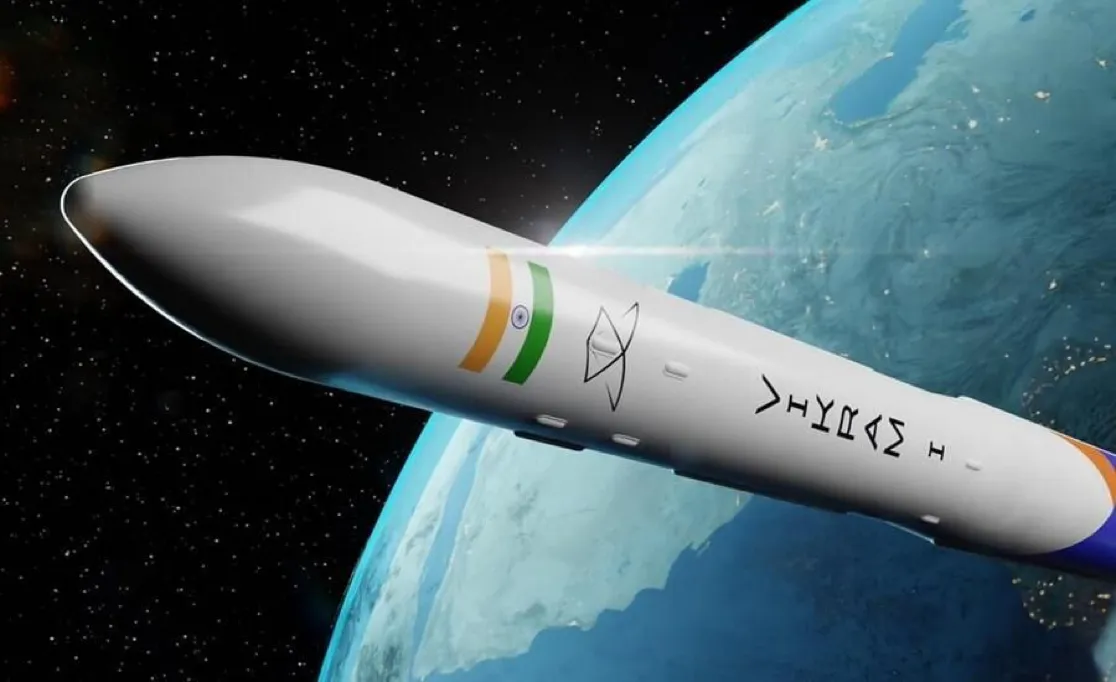
Mission Aagaman was the inaugural test flight of Vikram-1, a 24-metre rocket developed by Hyderabad-based startup Skyroot Aerospace, which was established in 2018 by former engineers from the Indian Space Research Organisation (ISRO). The primary goal of this mission was to place a series of payloads into a low Earth orbit approximately 450 km above the planet, at an inclination of 60 degrees to the equator, while simultaneously collecting vital flight data.

Previously, in November 2022, Skyroot’s first rocket, Vikram-S, managed to reach the edge of space, climbing to 89 km before descending into the Bay of Bengal. To achieve orbit, however, Vikram-1 needed to attain an extraordinary sideways speed of nearly 28,000 km per hour, which it successfully accomplished during its flight.

This launch enabled India to join an elite group of nations, becoming only the third country globally to witness a private firm achieve orbital launch capability. Vikram-1 not only marked India’s first privately developed orbital rocket but also represented the first fully private orbital launch conducted on Indian soil.

Detailed Flight Sequence and Payloads

The flight was characterised by a series of planned events that unfolded without error, ensuring the success of the mission. Vikram-1 ignited cleanly and navigated through the phase of maximum aerodynamic stress—an essential stage where atmospheric conditions challenge the rocket significantly. The all-carbon-fibre body of the vehicle validated its design as it endured this critical stress.

After the first stage, called Kalam-1200, burned out and separated correctly, the payload fairing detached subsequently, exposing the payloads to space. The second stage, Kalam-250, completed its burn, followed by the igniting of the Kalam-100, the smallest solid stage. The sequence concluded with the Orbital Adjustment Module, equipped with a 3D-printed liquid engine, finalising the trajectory adjustments in space.

Vikram-1 carried several payloads, including the SOLARAS S3 nanosatellite from Grahaa Space and a robotic arm named Embrace from Cosmoserve Space, designed to capture space debris. Other payloads included a technology demonstration from Germany’s DCUBED and Skyroot’s own SCOPE satellite, tasked with monitoring the rocket’s performance during the flight.

Additionally, the flight featured symbolic items, such as an 18-karat gold micro-rocket containing miniature sculptures of notable figures in Indian science and a postcard from Prime Minister Narendra Modi, marking the historic event.

Future Prospects for Skyroot Aerospace

Named after Vikram Sarabhai, the pioneer of India’s space programme, Vikram-1 is constructed to carry payloads of up to 350 kg to low Earth orbit. Following this successful launch, engineers are now set to examine the flight data in detail, focusing on various parameters, including propulsion and navigation.

The insights gained from this mission will aid in preparing Vikram-1 for regular commercial operations, targeting the rapidly growing small satellite market. The historic success has established a strong foundation for future endeavours in India’s burgeoning private space sector.

Long or Short, get news the way you like. No ads. No redirections. Download Newspin and Stay Alert, The CSR Journal Mobile app, for fast, crisp, clean updates!

App Store –  https://apps.apple.com/in/app/newspin/id6746449540 

Google Play Store – https://play.google.com/store/apps/details?id=com.inventifweb.newspin&pcampaignid=web_share

Latest News

Popular Videos
