


“International Pressure On Pakistan Should Be Put”: Former Diplomat Surendra Kumar
The CSR Journal Magazine

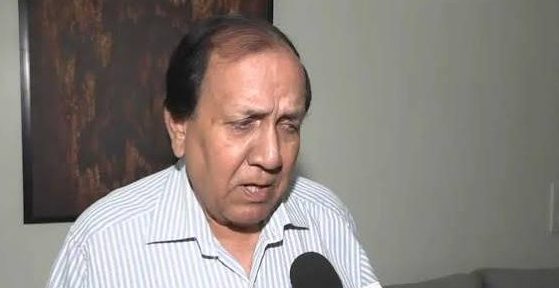
Surendra Kumar, a former senior diplomat, has called for increased international pressure on Pakistan in response to the ongoing unrest in Pakistan-occupied Jammu and Kashmir (PoJK). He condemned the reported use of force against protestors, urging the global community to take a firmer stance on these developments. Kumar stated that the situation has escalated to a worrying level, particularly with the alleged use of live ammunition and a heavy security presence during protests.

 Kumar described the scenes from the region as “horrific,” referring to evidence showing demonstrated violence where hundreds have reportedly died. The international response, he noted, has been insufficient. He highlighted comments from the UN Human Rights Chief, Volker Turk, regarding alleged human rights violations in the area.

Kumar emphasised the urgency for action, insisting that both the United Nations and European nations must respond more openly to the situation. He mentioned, “The UN needs to intervene, and sanctions should be considered against Pakistan to compel them to halt this violence.”

Kashmiri Diaspora’s Activism Draws Attention

Kumar referred to the active demonstrations by the Kashmiri diaspora in the United States as an essential element in applying international pressure on Pakistan. He noted that these demonstrations, including those outside the White House, indicate a growing concern among the diaspora regarding the violence in PoJK. The calls for intervention reflect a sentiment that current measures are not satisfactory.

The former diplomat expressed the need for a more proactive approach, stating, “International pressure on Pakistan should be escalated to ensure this violence comes to an end. Such acts cannot be tolerated.” This plea highlights the necessity for broader engagement from the international community in advocating for human rights and justice in the region.

Additionally, Kumar pointed out a double standard in the international approach to issues concerning Kashmir, asserting that while there is often strong scrutiny directed at India, similar criticisms regarding Pakistan’s actions seem muted. He argued for a more consistent and vocal condemnation of Pakistan’s actions in Kashmir.

Pakistan’s Strategic Relations with Afghanistan Under Scrutiny

Kumar’s discussion also touched on Pakistan’s complicated relationship with Afghanistan, particularly since the return of the Taliban to power following the US withdrawal. He stated that Pakistan had initially anticipated gaining strategic advantage through this development but has since encountered unforeseen challenges. The Taliban’s efforts to forge closer ties with India have raised concerns for Islamabad.

He remarked, “Despite Pakistan’s historical support for the Taliban, it appears that the current regime in Afghanistan is now seeking better relations with India.” This shift signifies a potential realignment in regional dynamics that could affect Pakistan’s influence and security considerations.

Kumar attributed this change to Afghanistan’s evolving national interests, which now align with fostering relations with India. He described the situation as a matter of “realpolitik,” suggesting that Pakistan must adopt a realistic perspective toward its interactions within the region to improve its foreign relations.

Kumar concluded by stressing that acknowledging these shifts could lead to better opportunities for Pakistan. Understanding the geopolitical landscape and adapting to new realities, he suggested, could pave the way for improved relations with neighbouring countries.

Long or Short, get news the way you like. No ads. No redirections. Download Newspin and Stay Alert, The CSR Journal Mobile app, for fast, crisp, clean updates!

App Store –  https://apps.apple.com/in/app/newspin/id6746449540 

Google Play Store – https://play.google.com/store/apps/details?id=com.inventifweb.newspin&pcampaignid=web_share

Latest News

Popular Videos
