


Owaisi Alleges Nearly 6.5 Crore Deletions in SIR; Claims Exclusions Target Muslims
The CSR Journal Magazine

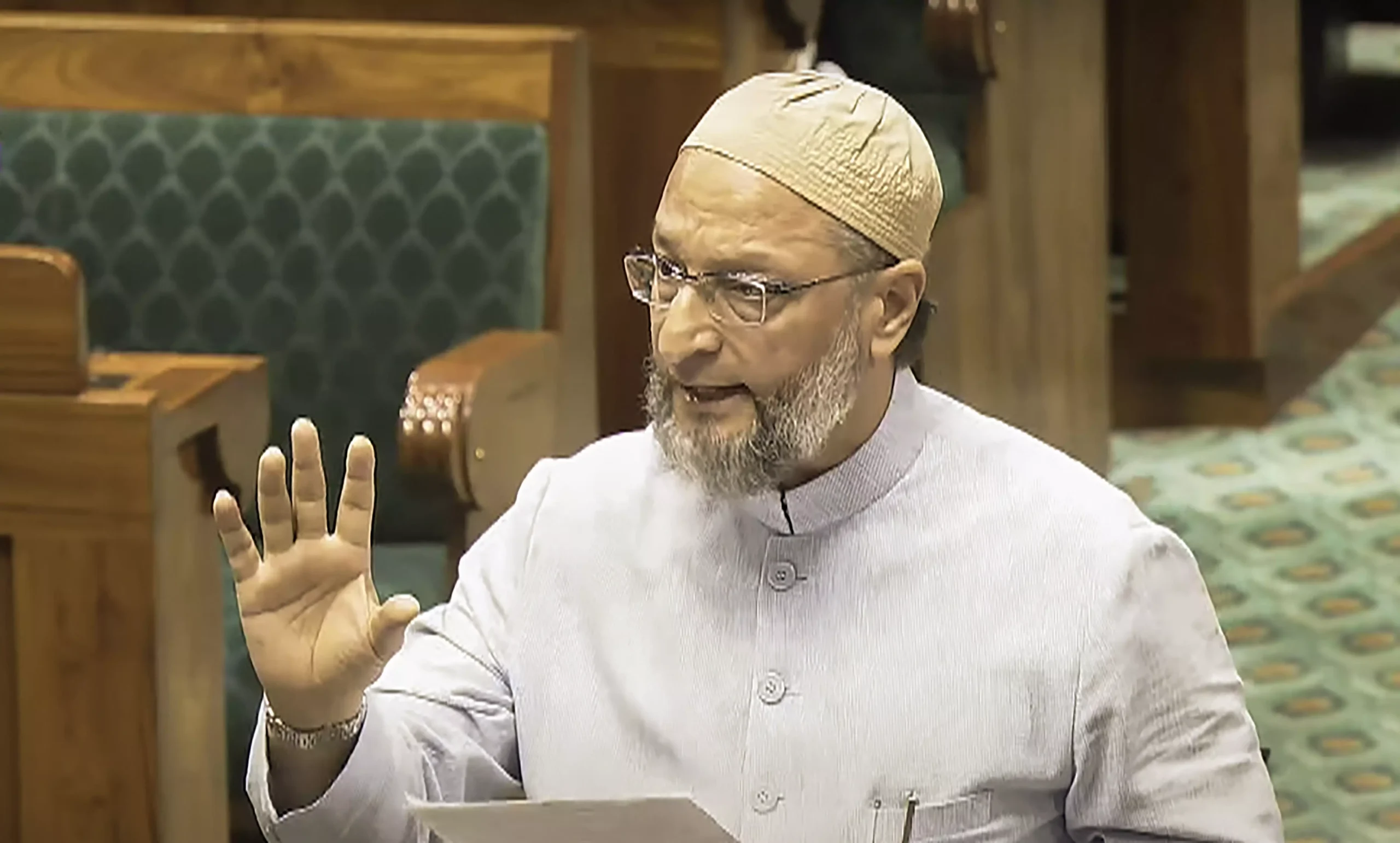
Asaduddin Owaisi, President of the All India Majlis-e-Ittehadul Muslimeen (AIMIM), has made significant allegations regarding the recent electoral roll deletions in India. On June 3, he claimed the Union government’s Special Intensive Revision (SIR) process has led to the removal of nearly 6.5 crore names from electoral lists across 13 states and Union Territories. Owaisi articulated concerns that this could foster a “permanent class of excluded Indians,” undermining individuals’ voting rights.

In his statement shared on the platform X, Owaisi accused the government of creating a permanent system for identifying illegal immigrants while ignoring the adverse impact on Indian citizens. He warned that the right to vote, essential for the disadvantaged, could be threatened by these actions.

Moreover, Owaisi highlighted troubling reports suggesting individuals have been deprived of welfare benefits following their exclusion from electoral rolls. He expressed concern about the potential ramifications this could have for citizens reliant on government schemes.

Legal and Procedural Clarity Questioned

During his address, Owaisi noted that deletion from the electoral rolls does not equate to a loss of citizenship. He mentioned that approximately 27 lakh people are currently undergoing adjudication and may seek new voter enrolment through Form 6. This clarification aims to alleviate fears regarding citizenship status amid widespread deletions.

The AIMIM leader further challenged the Election Commission of India (ECI) regarding the transparency of the deletions, stating there has been no official information on how many individuals were removed based on foreigner status. He alleged that a significant portion of those excluded belong to vulnerable demographics, including Muslims, women, and migrants.

Owaisi additionally questioned the rationale for establishing a committee to address these exclusions, referencing government demographic data that indicates a stabilised population. He expressed scepticism about the necessity of such a committee, suggesting it may perpetuate fear and anxiety among specific communities.

Broader Concerns Regarding Governance and Exam Accountability

Owaisi also raised issues related to recent controversies involving the NEET-UG 2026 examination and the CBSE’s OSM system, describing the current administration as creating unnecessary bureaucratic hurdles for citizens. He emphasised the government’s habit of burdening individuals with documentation requirements and expressed frustration over the inefficiency in conducting essential examinations.

Stressing the asymmetry between government scrutiny and public accountability, Owaisi asserted that while common citizens face rigorous checks, the government is rarely subjected to similar oversight. His comments highlight a broader discourse on governance, participation, and accountability within the Indian political landscape.

The ECI announced on May 14 the initiation of SIR Phase-III for electoral rolls, covering 16 states and three Union Territories, aimed at improving electoral inclusivity. The commission outlined a clear timeline for this process, aiming to enhance the efficiency of the electoral roll system while integrating it with census activities.

Under the announced schedule, the qualifying date for voters in Telangana and Punjab has been set for October 1, 2026. The preparation phase starts on June 15, 2026, with field visits and final roll publication slated for late July 2026, illustrating a structured approach to ensure voter participation moving forward.

Long or Short, get news the way you like. No ads. No redirections. Download Newspin and Stay Alert, The CSR Journal Mobile app, for fast, crisp, clean updates!

App Store –  https://apps.apple.com/in/app/newspin/id6746449540 

Google Play Store – https://play.google.com/store/apps/details?id=com.inventifweb.newspin&pcampaignid=web_share

Latest News

Popular Videos
