


Monsoon Falters with 65 Per Cent Rain Deficit in Central India
The CSR Journal Magazine

The current southwest monsoon in India has effectively stalled, leading to considerable rainfall shortages across various regions. Data from the India Meteorological Department (IMD) highlights Central India as the most affected area, suffering a substantial 65 per cent rainfall deficit between June 4 and June 16, 2026. This alarming statistic raises concerns about the agriculture-heavy region, crucial for the country’s food supply.

During this period, Central India recorded merely 19.2 mm of rainfall, compared to a normal of 55.2 mm. The dry conditions have greatly impacted states like Madhya Pradesh, Chhattisgarh, and parts of Maharashtra, where timely monsoon rains are essential for sowing crops. The IMD’s latest rainfall departure map illustrates a stark reduction in rainfall activity, which had initially progressed well across southern and central areas following its onset over Kerala.

In addition to Central India, the eastern and northeastern states are also grappling with significant shortfalls. This region observed 77.5 mm of rainfall against a normal of 125.8 mm, corresponding to a deficit of around 38 per cent. The lack of rain in these areas has created prolonged dry spells, raising urgent concerns regarding crop moisture and overall water availability.

National Rainfall Overview

At the national level, the rainfall figures do not present a thriving picture either. India has received 38.1 mm of rain against a seasonal average of 59.7 mm during the same timeframe, resulting in an overall deficit of 36 per cent. These figures paint a bleak outlook for both agricultural prospects and water resources across the country.

Remarkably, only Northwest India and the South Peninsula have experienced near-normal rainfall levels. Northwest India reported 24.6 mm against a normal of 24.4 mm, while the Southern Peninsula registered 59.4 mm compared to a seasonal average of 69.1 mm. This indicates that despite the overall deficits, there are pockets in the country where rainfall patterns have remained consistent.

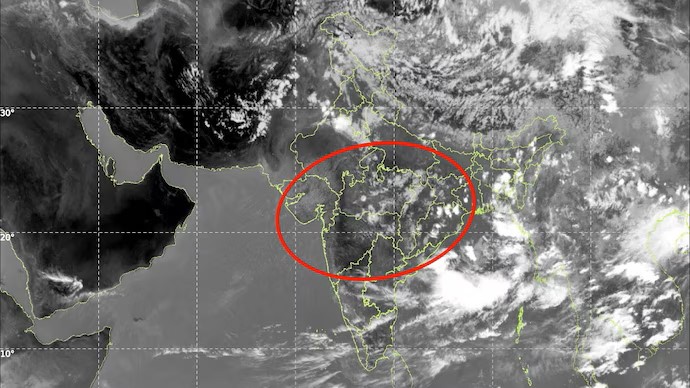
The slowdown in monsoon activity is attributed by meteorologists to the absence of strong weather systems over the Bay of Bengal and the Arabian Sea, which normally facilitate the monsoon’s advancement further into the country. Recent satellite imagery depicts a marked decline in the organised cloud formation that is typically associated with the monsoon circulation.

Concerns Surrounding Climate Effects

The extended dry spell has occurred in the context of growing apprehension regarding a reinforcing El Niño phenomenon in the Pacific Ocean. Historical data associates this climate pattern with subdued monsoon activities in India, amplifying fears about the current situation and future agricultural yield.

As the core monsoon months of July and August are still forthcoming, some weather experts continue to foster hopes for a recovery in rainfall. Nevertheless, prompt rejuvenation of rainfall activity is crucial; otherwise, the existing deficits may adversely affect agricultural operations, reservoir levels, and overall water availability across several states.

Immediate monitoring and intervention strategies will likely be necessary to mitigate any potential fallout from the current weather patterns. In light of these challenges, stakeholders are expected to assess the impact on crop production and resource management in the affected regions to ensure sustainable outcomes moving forward.

Long or Short, get news the way you like. No ads. No redirections. Download Newspin and Stay Alert, The CSR Journal Mobile app, for fast, crisp, clean updates!

App Store –  https://apps.apple.com/in/app/newspin/id6746449540 

Google Play Store – https://play.google.com/store/apps/details?id=com.inventifweb.newspin&pcampaignid=web_share

Latest News

Popular Videos
