


Mahua Moitra Criticises Centre Over ‘Traitor Bench’ for Rebel TMC MPs
The CSR Journal Magazine

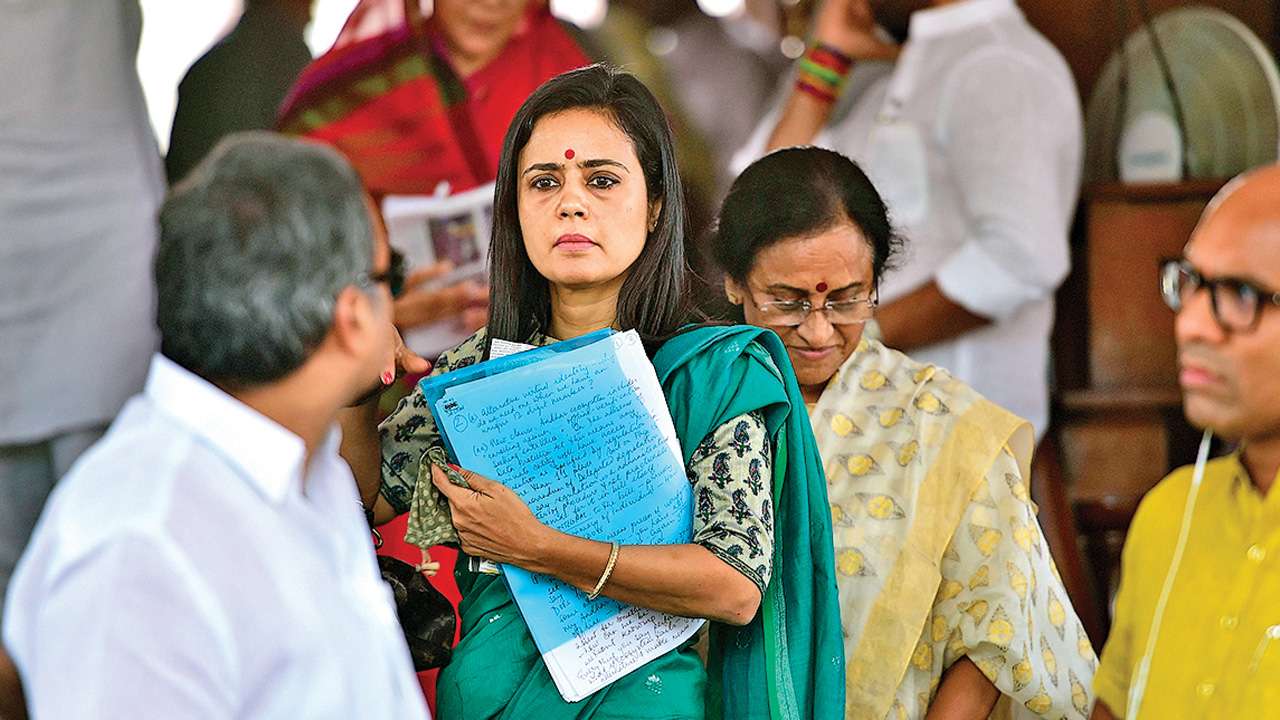
Mahua Moitra, a prominent leader of the Trinamool Congress (TMC), has expressed strong criticism towards the Indian government regarding the seating arrangements for lawmakers during official proceedings. She described the placement of rebel MPs as creating a “traitor bench.” Her remarks followed a joint Opposition walkout during an all-party meeting, which took place on July 20, in New Delhi, in response to the inclusion of 20 lawmakers facing disqualification petitions.

Moitra asserted that these 20 members, who have reportedly aligned themselves with an unrecognised faction known as the NCPI, should not have been allowed to attend the meeting as their merger is yet to receive official sanction from the Speaker. She claimed that the traditional seating layout in the parliamentary house had been altered to accommodate this rebel group, leading to a significant change in the parliamentary structure.

Describing the situation to reporters, Moitra articulated her discontent, noting that the seating alterations represented a new categorisation within parliamentary democracy. She highlighted that those classified as traitors would now receive front-row seats, further complicating the dynamics between the government and the Opposition.

Opposition’s Response and Protest

The Opposition members, including Moitra, staged a united walkout in protest against the government’s decisions. Moitra further emphasised the gravity of the situation by stating that the seating arrangements now formally acknowledged the existence of a “Traitor Bench,” thus altering the traditional Treasury Bench and Opposition Bench that previously existed.

This development sparked significant concern within the Opposition, with Moitra calling attention to the implications it signifies for the political landscape. She asserted that Sudip Bandyopadhyay was positioned to lead the newly defined “Traitor Bench,” which she believes undermines the integrity of parliamentary governance.

As part of this broader context, on the same day, Randeep Singh Surjewala, a Rajya Sabha MP from Congress, submitted a notice under Rule 267. This notice called for the suspension of the day’s business in the Rajya Sabha, seeking an urgent discussion concerning the alleged embezzlement and misuse of funds associated with the Ayodhya Ram Temple.

Allegations of Financial Irregularities

Surjewala’s notice highlighted concerns surrounding what he termed as “theft, loot and embezzlement” of donations made by numerous devotees for the temple’s construction. He argued that this matter holds considerable public importance and called for a thorough investigation into the allegations of financial misconduct related to the Shri Ram Janmabhoomi Teerth Kshetra Trust.

The inquiry raised attention to several purported irregularities, including questionable financial practices involving land purchases and alleged commissions during construction activities. Surjewala insisted that these must be addressed to ensure accountability from both the government and the temple trust, pointing out that earlier investigative efforts had yet to yield conclusive results.

He noted that the Shri Ram Janmabhoomi Teerth Kshetra Trust was established under directives from the Supreme Court following the verdict on November 9, 2019, and thus the government holds a responsibility to enforce transparency. Surjewala underscored the necessity for a comprehensive probe to unveil more instances of alleged misconduct, stressing that both the government and the trust are accountable to those who generously contributed funds towards the temple’s development.

Long or Short, get news the way you like. No ads. No redirections. Download Newspin and Stay Alert, The CSR Journal Mobile app, for fast, crisp, clean updates!

App Store –  https://apps.apple.com/in/app/newspin/id6746449540 

Google Play Store – https://play.google.com/store/apps/details?id=com.inventifweb.newspin&pcampaignid=web_share

Latest News

Popular Videos
