


Lindsey Graham Slams Pakistan’s Mediation Bid, Cites ‘Animosity’ Towards Israel
The CSR Journal Magazine

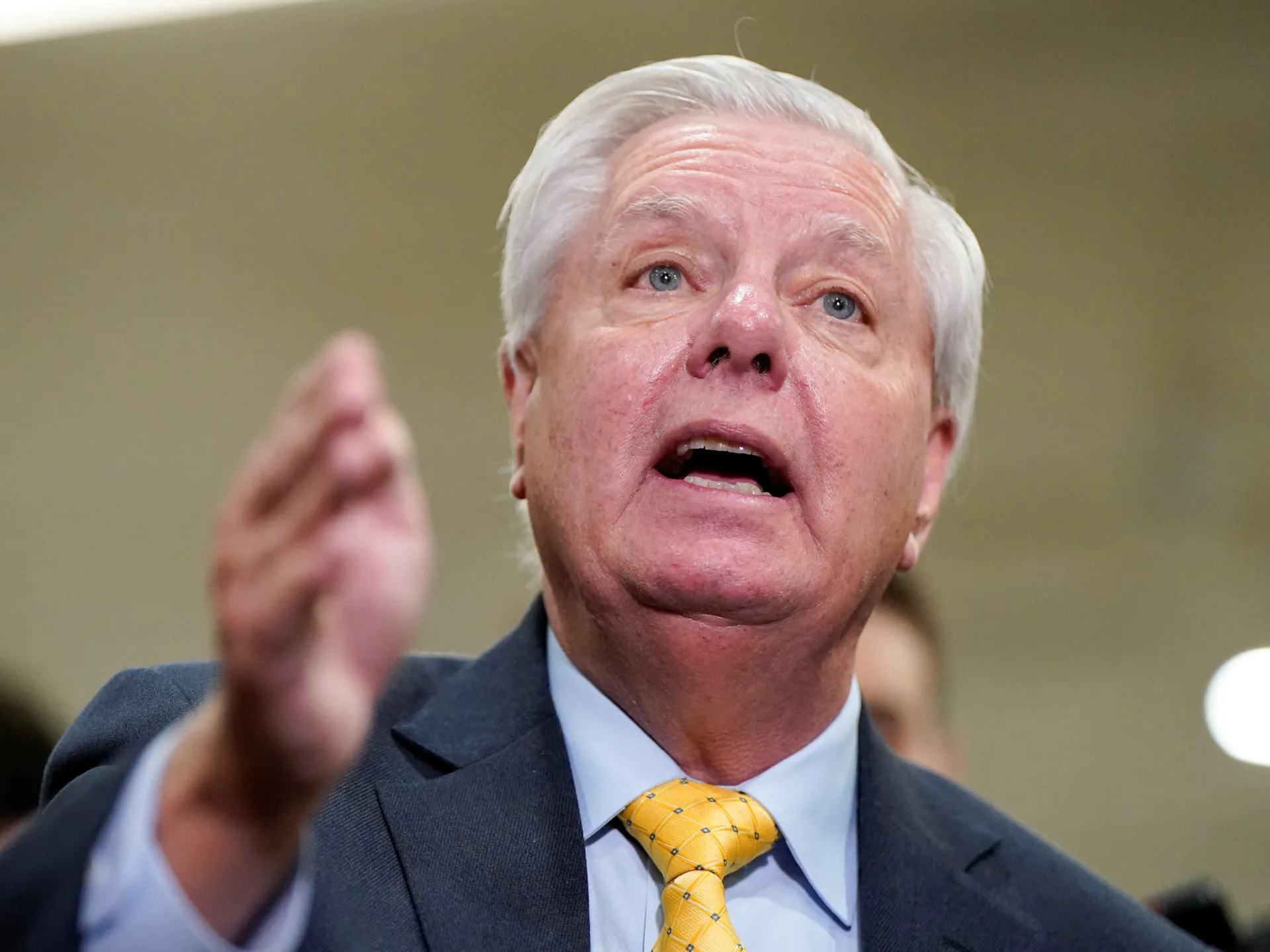
Republican Senator Lindsey Graham has expressed concerns regarding Pakistan’s neutrality as a potential mediator between the United States and Iran during ceasefire discussions. He highlighted the “animosity” Pakistan has towards Israel as a factor that complicates its role in facilitating dialogue. Graham’s remarks come in response to statements made by Pakistan’s Defence Minister, Khawaja Muhammad Asif, who recently rejected US President Donald Trump’s invitation for Pakistan to join the Abraham Accords.

The senator indicated that Pakistan’s leadership has made statements that raise questions about the country’s ability to remain impartial in mediation efforts. In a message shared on the social media platform X, he pointed out that it has become increasingly clear that Pakistan’s involvement would be more problematic than constructive due to these long-standing sentiments against Israel.

Pakistan’s Defence Minister Responds to US Pressure

In an interview with Samaa TV, Defence Minister Khawaja Muhammad Asif reiterated Pakistan’s firm stance against joining the Abraham Accords. He stated that the nation could not support any agreement that contradicts its fundamental ideologies. Asif’s comments were interpreted as a direct response to pressure from the United States regarding Islamabad’s potential involvement in the accords.

He elaborated on the mistrust towards Israel, underscoring the inability to engage with a nation perceived as untrustworthy. Asif’s remarks put forth a clear indication that Pakistan is not inclined to alter its official position despite external diplomatic pressures. He emphasised that Pakistan maintains a passport policy that notably omits any recognition of the state of Israel.

Graham’s criticism also extends to the nature of the relationship between Pakistan and Iran, alleging that Iranian military aircraft are stationed at Pakistani airbases, thus casting further doubt on Pakistan’s ability to mediate effectively. This allegation was met with a stark response from officials within Pakistan’s military, defending their sovereignty and international relationships.

Trump’s Call for Broader Regional Cooperation

The discussions surrounding the Abraham Accords have intensified following remarks from former President Donald Trump, who has been actively encouraging various Muslim and Arab nations to consider joining the agreement. Trump remarked on social media that the negotiations with Iran were progressing well and that the potential for a historic event in the Middle East is on the horizon.

In his post on Truth Social, he called on countries such as Saudi Arabia, Qatar, and Pakistan to sign onto the Abraham Accords, asserting that this would constitute a significant achievement for peace in the region. Trump warned that failure to secure a deal with Iran could lead to escalated tensions and conflict, stressing the importance of collective engagement with the accords.

The Abraham Accords, first signed in 2020, have resulted in the normalisation of relations between Israel and several Arab nations, a move seen as a transformative step in Middle Eastern diplomacy. The ongoing discourse highlights the complex interplay of regional politics, trust, and historical animosities that continue to shape these diplomatic efforts.

Long or Short, get news the way you like. No ads. No redirections. Download Newspin and Stay Alert, The CSR Journal Mobile app, for fast, crisp, clean updates!

App Store –  https://apps.apple.com/in/app/newspin/id6746449540 

Google Play Store – https://play.google.com/store/apps/details?id=com.inventifweb.newspin&pcampaignid=web_share

Latest News

Popular Videos
