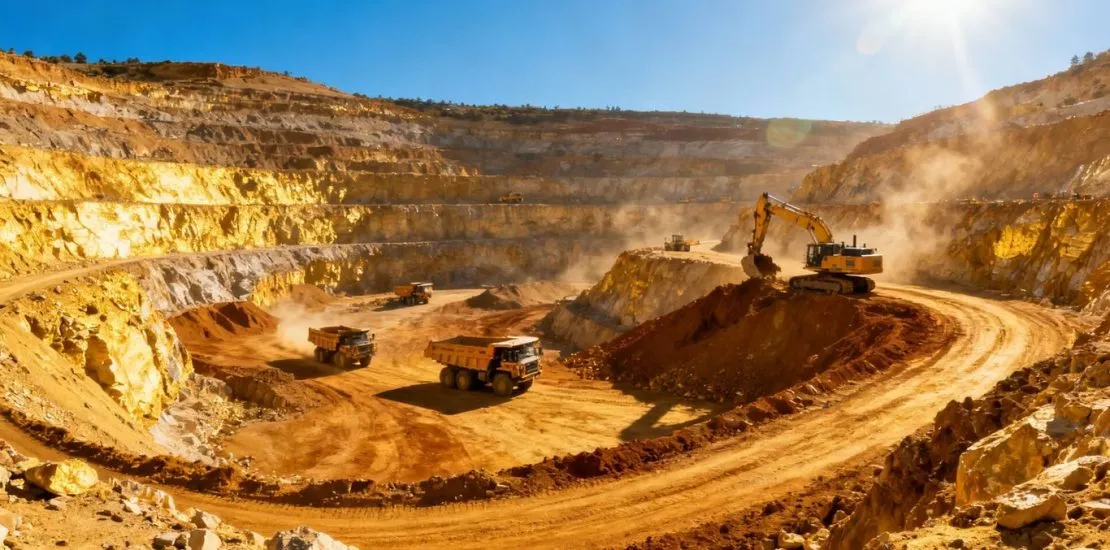

The largest gold mines in the world have been identified across several countries, highlighting key locations such as the United States, Uzbekistan, and Russia. These mines play a crucial role in the global supply of gold, which is a fundamental asset in investment and industry. The mining operations are significant not only for their economic impact but also for their contribution to local and national economies.
Key Locations and Their Importance
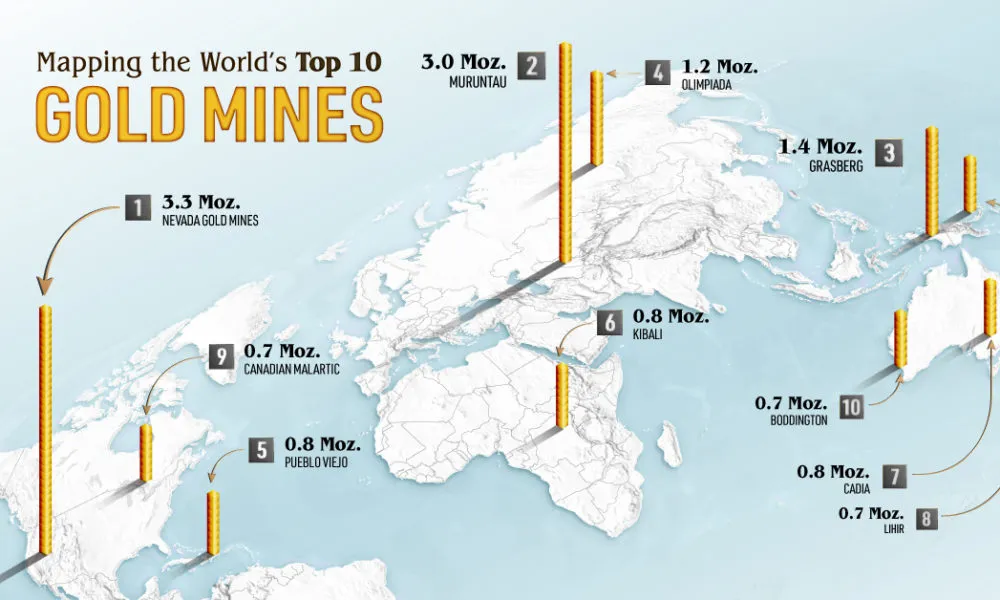
Among the notable sites, the Grasberg mine in Indonesia remains one of the largest gold mines globally. This site is known for its substantial gold reserves, which have been mined since the early 1970s. It has consistently contributed large volumes of gold over the decades, making it a central player in the market. Following closely is the Muruntau mine in Uzbekistan, which has built a reputation for significant production figures and has been a top exporter of gold for several years.
In Russia, the Olimpiada mine stands as a vital asset with rich deposits. Its operational scale places it among the top producers, reflecting the country’s strong position in gold mining. Additionally, the North American region, particularly in Nevada, hosts several large operations, including the Carlin Trend, known for its rich deposits and extensive mining activities.
Mining practices in these regions are varied, with each country adopting different technologies and methods to extract gold efficiently. Environmental considerations have increasingly become a focus for many mining companies as they seek to balance production with sustainability.
Global Mining Statistics and Trends
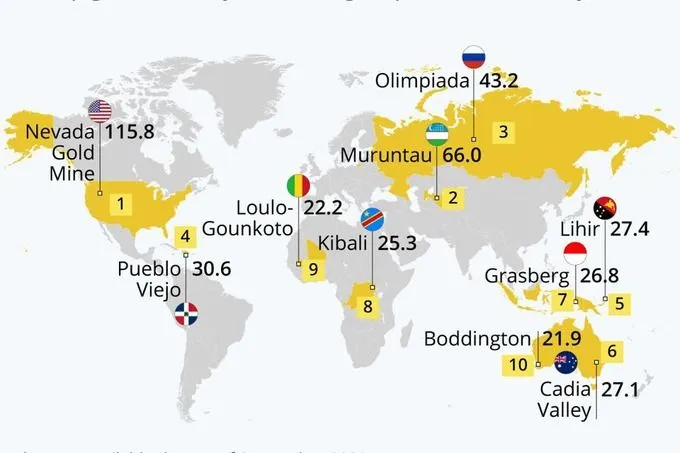
Recent data shows that major gold-producing countries have seen fluctuations in output, influenced by market demand, production costs, and geopolitical factors. The statistics reveal that gold mining continues to be a vital sector, with billions of dollars in exports from leading nations. In 2021, global gold production reached an estimated total of approximately 3,000 metric tonnes, underscoring the metal’s enduring value and importance.
The trend of increasing investment in gold mining operations has been evident, with countries enhancing their infrastructures to support mining activities. This includes improvements in transport logistics and mining technologies, which contribute to higher efficiency and lower operational risks. Notably, nations are also cautious of the environmental impacts, leading many companies to implement more sustainable practices.
According to industry analysts, the future of gold mining looks promising, especially as global economic conditions fluctuate. Investors are likely to watch the developments in these major gold-producing regions closely, given the metal’s historical role as a safe haven during times of uncertainty.