


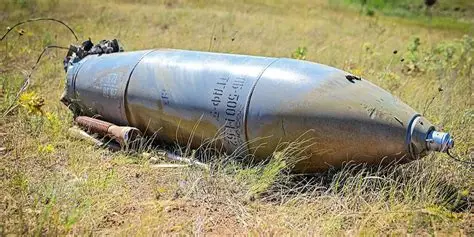
Soviet-Era 500-Kg Bomb Discovered in Private Garden in Afghanistan
The CSR Journal Magazine

An unexploded Soviet-era bomb, weighing 500 kilograms (approximately 1,100 pounds), was found in a private garden in eastern Afghanistan, as confirmed by police on Thursday. This discovery raises concerns about unexploded ordnance in the region, highlighting the ongoing dangers posed by remnants of past conflicts.

Background on Unexploded Ordnance

The incident occurred on Wednesday when a local resident noticed a suspicious object in the garden of his home in Sir village. Khalid Sarhadi, the police spokesperson for Ghazni province, reported that security forces and a demining team from the Danish Refugee Council responded to the scene promptly. Their quick action is credited with ensuring the safety of nearby residents.

“Upon inspection, the team identified the object as a 500-kilogram bomb from the Soviet era. It was carefully transported to a remote mountainous area, where it was detonated safely,” Sarhadi added, ensuring that the explosive posed no further threat to civilian life.

The United Nations Mine Action Service highlights the severe impact of these remnants of war, noting that since the withdrawal of Soviet troops in 1989, over 45,000 Afghans have reportedly been killed or injured due to mines and unexploded ordnance. This statistic illustrates the long-lasting legacy of conflict in the region.

Reduction of Demining Efforts

Despite the risks associated with unexploded ordnance, international efforts to address this issue have been significantly reduced in recent years. Nick Pond, head of the Mine Action Section of the UN mission in Afghanistan, stated that the number of teams deployed to deal with these hazards has been cut by 64 per cent over the past two years. This reduction raises questions about the safety of communities still affected by past conflicts.

As unexploded bombs continue to be discovered, the need for effective demining strategies remains critical. Local authorities and international organisations must collaborate to develop plans to train sufficient personnel and provide adequate funding for demining efforts.

The situation in Afghanistan remains precarious, with reports of new unexploded ordnance surfacing across the country. Civilians living in conflict-affected areas are particularly vulnerable, as they navigate daily life amidst the remnants of warfare.

Ongoing Threats to Civilian Safety

In addition to the immediate dangers posed by unexploded bombs, the psychological impact on communities cannot be overstated. The constant threat of encountering landmines and unexploded shells affects daily routines and cultivates a climate of fear among local populations.

International bodies and non-governmental organisations continue to advocate for enhanced support and funding to address this vital issue. Effective awareness campaigns can also play an essential role in educating communities about the risks associated with unexploded ordnance and safe practices for reporting suspicious objects.

As Afghanistan strives towards stability, addressing the legacy of landmines and unexploded ordinance is imperative for ensuring civilian safety and promoting long-term peace. The recent discovery of the Soviet-era bomb serves as a reminder of the challenges that remain in post-conflict recovery while underscoring the importance of ongoing international support.

Long or Short, get news the way you like. No ads. No redirections. Download Newspin and Stay Alert, The CSR Journal Mobile app, for fast, crisp, clean updates!

App Store –  https://apps.apple.com/in/app/newspin/id6746449540 

Google Play Store – https://play.google.com/store/apps/details?id=com.inventifweb.newspin&pcampaignid=web_share

Latest News

Popular Videos
