


Kunal Ghosh Raises Concerns Over Bengali Language Policy for Official Use
The CSR Journal Magazine

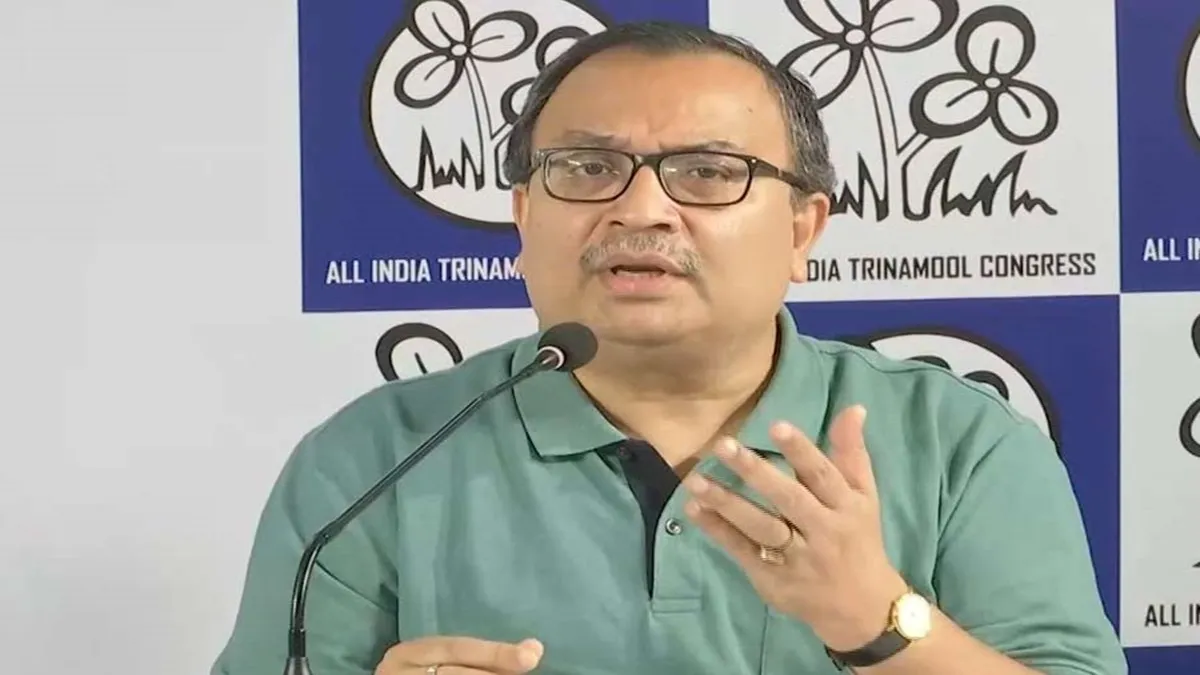
Kunal Ghosh, a leader of the Trinamool Congress, has voiced significant concerns regarding the West Bengal government’s recent announcement to mandate the Bengali language for all official communications starting from September 1, 2026. While acknowledging the significance of promoting the state’s linguistic heritage, Ghosh emphasised the potential practical challenges this policy may pose within the administrative and judicial sectors of the state.

The TMC leader pointed out that the decision might lead to operational difficulties for non-Bengali officials, police personnel, and members of the judiciary, all of whom constitute a crucial part of West Bengal’s governance. Ghosh argued that while there is already a system in place for using Bengali in government administration, a standardised method of communication is essential for non-Bengali officers.

Ghosh articulated that simply issuing a notice does not integrate individuals into Bengali culture. He noted the necessity of promoting Bengali language skills while also recognising the significant presence of non-Bengali individuals in the administrative setup. Questions raised by Ghosh included the implications for non-Bengali officers and judges concerning court proceedings and official orders being conducted exclusively in Bengali.

Government’s Official Language Initiative

The West Bengal Chief Minister, Suvendu Adhikari, previously announced the plan to enforce the Bengali language for all state government functions from September 1, 2026. In his address to the West Bengal Legislative Assembly, Adhikari confirmed that official correspondence with the Central government would be conducted in both Bengali and Hindi, reflecting a commitment to linguistic integration.

Adhikari has been vocal about the importance of utilising Bengali extensively in governance, particularly within police services and public domains, which he believes will foster trust and enhance public engagement. He suggested that all citizen services that relate to law and order, including the registration of First Information Reports (FIRs) and other complaints, should be conducted in Bengali.

Furthermore, the Chief Minister indicated that official communications with the Central government could occur in Bengali and Hindi instead of relying on foreign languages. This initiative aligns with a commitment outlined in the party’s manifesto aimed at preserving West Bengal’s cultural heritage while promoting the Bengali language.

Future Prospects and Language Recognition

Union Home Minister Amit Shah previously stated intentions to work towards the recognition of Bengali as one of the official languages of the United Nations. This ambition is part of a broader strategy to promote the Bengali language, not only within the state but on an international platform as well.

The announcement from the government has ignited discussions about the balance between fostering regional identity and maintaining administrative efficiency. Stakeholders from various sectors are now examining how the language policy will be implemented practically without imposing undue challenges or disruptions.

As the state prepares for this linguistic shift, the need for comprehensive planning and engagement with all stakeholders, including non-Bengali officials, becomes increasingly evident. The dialogue initiated by Ghosh serves as a critical reminder of the complexities involved in implementing such policies across diverse governance frameworks.

Long or Short, get news the way you like. No ads. No redirections. Download Newspin and Stay Alert, The CSR Journal Mobile app, for fast, crisp, clean updates!

App Store –  https://apps.apple.com/in/app/newspin/id6746449540 

Google Play Store – https://play.google.com/store/apps/details?id=com.inventifweb.newspin&pcampaignid=web_share

Latest News

Popular Videos
