


Syria Finalises Agreement with Russia on Two Mediterranean Military Bases
The CSR Journal Magazine

Syria and Russia have reached an agreement on the future of two strategically important Russian military sites on Syria’s Mediterranean coast, bringing 18 months of negotiations over Moscow’s military presence in the country to an end.

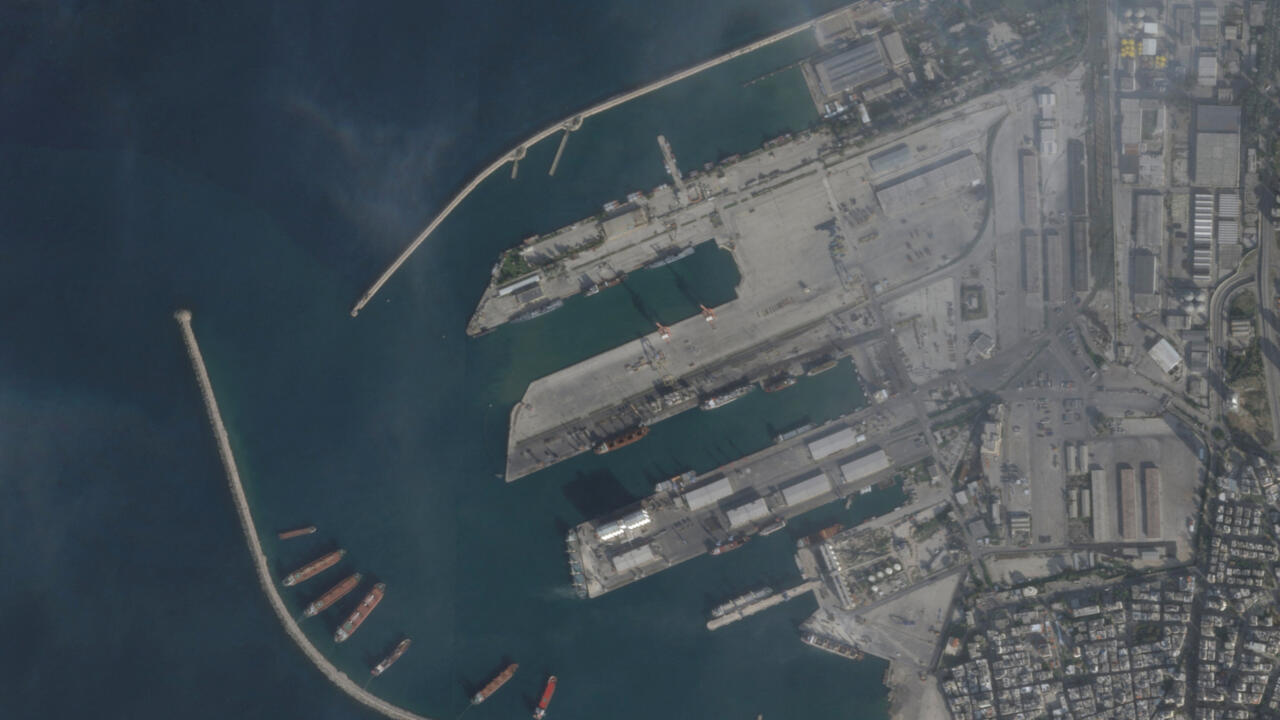
Under the memorandum of understanding, Syria will assume control of civilian facilities at the Hmeimim air base and the commercial section of Tartous port, while the military facilities will be converted into joint Russia-Syria training and qualification centres. The transition is expected to be completed within three months.

Syria to Take Control of Civilian Facilities

The agreement covers Russia’s two principal military footholds on Syria’s Mediterranean coast, the Hmeimim air base and the naval facility at Tartous.

Syria’s state administration will take over civilian infrastructure at Hmeimim, including the airport, as well as the commercial section of Tartous port. These facilities will gradually come under Syrian civilian administration.

Syria’s General Authority for Ports and Customs separately said it would assume control of commercial facilities previously operated by Russia at Tartous, including Pier No. 4, warehouses and other associated infrastructure.

Reuters had earlier reported that Moscow was seeking to establish a commercial logistics hub at Tartous using Pier No. 4. Under the new arrangement, the proposed hub will remain under Syrian control, with its operations subject to approval from the Syrian authorities.

Russian Military Facilities to Become Joint Training Centres

While civilian facilities will be transferred to Syrian control, the military sites will be repurposed as joint training and qualification centres for Russian and Syrian personnel.

Syria’s Foreign Ministry described the arrangement as a “reorganising of the Russian presence” along the country’s Mediterranean coast.

“This move marks the most significant development since negotiations began approximately a year and a half ago, paving the way for a new phase in Syrian-Russian relations,” the ministry said.

The agreement represents a significant change in the structure of Russia’s military presence in Syria. Instead of retaining the facilities in their previous form, Moscow and Damascus will operate under a new arrangement that allows Russia to maintain military cooperation while giving Syria greater control over facilities on its territory.

Why Hmeimim and Tartous Are Important

Hmeimim has served as Russia’s main air hub in Syria, while Tartous has provided Moscow with an important naval foothold in the Mediterranean. Together, the two facilities have supported Russia’s military operations in Syria and its wider strategic presence in the Middle East.

The future of the bases became uncertain after former Syrian President Bashar al-Assad was overthrown in December 2024 following a rapid offensive by Islamist insurgents led by current interim President Ahmad al-Sharaa.

Russia had been Assad’s most important military ally during Syria’s civil war, which began in 2011. Moscow intervened directly in the conflict and supported Assad’s government as it regained control over large parts of the country.

Russia’s Role After Assad’s Removal

Following Assad’s removal, Russia granted asylum to the former president and his family. Moscow did not intervene militarily to prevent his ouster, while Russian forces gradually withdrew from other parts of Syria and remained concentrated around the two Mediterranean facilities.

Despite the change in leadership, Damascus has sought to maintain its relationship with Moscow. Al-Sharaa has met Russian President Vladimir Putin twice in Moscow since taking power, with the future of the Hmeimim and Tartous facilities reportedly among the key issues discussed.

The latest agreement indicates that Damascus and Moscow have found a way to preserve military cooperation while allowing Syria to exercise greater control over infrastructure located on its territory.

Syria Expands International Engagement

The agreement also comes as Syria seeks to rebuild relations with a wider range of international partners following years of diplomatic and economic isolation under Assad.

Since Assad’s removal, Damascus has strengthened ties with the United States, European countries and Arab states that had distanced themselves from his government.

Washington has lifted most of its sanctions on Syria, while French President Emmanuel Macron visited Damascus in July and announced plans for France and Syria to appoint ambassadors for the first time in 14 years.

The new arrangement with Russia therefore marks an attempt by Damascus to preserve a longstanding strategic relationship with Moscow while simultaneously expanding its engagement with other international partners.

Long or Short, get news the way you like. No ads. No redirections. Download Newspin and Stay Alert, The CSR Journal Mobile app, for fast, crisp, clean updates!

App Store –  https://apps.apple.com/in/app/newspin/id6746449540 

Google Play Store – https://play.google.com/store/apps/details?id=com.inventifweb.newspin&pcampaignid=web_share

Latest News

Popular Videos
