



The recently released White Paper on Keralam’s finances indicates a serious financial predicament for the state, as presented in the legislative assembly on June 4. The United Democratic Front (UDF) government is said to have inherited significant fiscal challenges, marked by increasing public debt and liabilities. The document reveals that Keralam’s public debt has escalated to Rs 5.07 lakh crore.
A striking 77 per cent of the state’s revenue is reportedly allocated for unavoidable expenditures, including salaries, pensions, and interest payments. This leaves little room for funds to be directed towards developmental initiatives, exacerbating the overall fiscal strain.
In terms of capital expenditure, the report highlights that Keralam’s investment in development is alarmingly low—standing at only 1.3 per cent of the Gross State Domestic Product (GSDP). This low ratio occurs despite the state experiencing one of the highest fiscal deficits in the country, indicating a stark imbalance in financial management.
Challenges in Treasury Management
The report elaborates on the treasury crisis affecting the state, revealing that Keralam depended on Ways and Means Advances for an extended period of 262 days in 2025. Furthermore, the state was reportedly in overdraft for 84 days within the same year, highlighting acute liquidity issues.
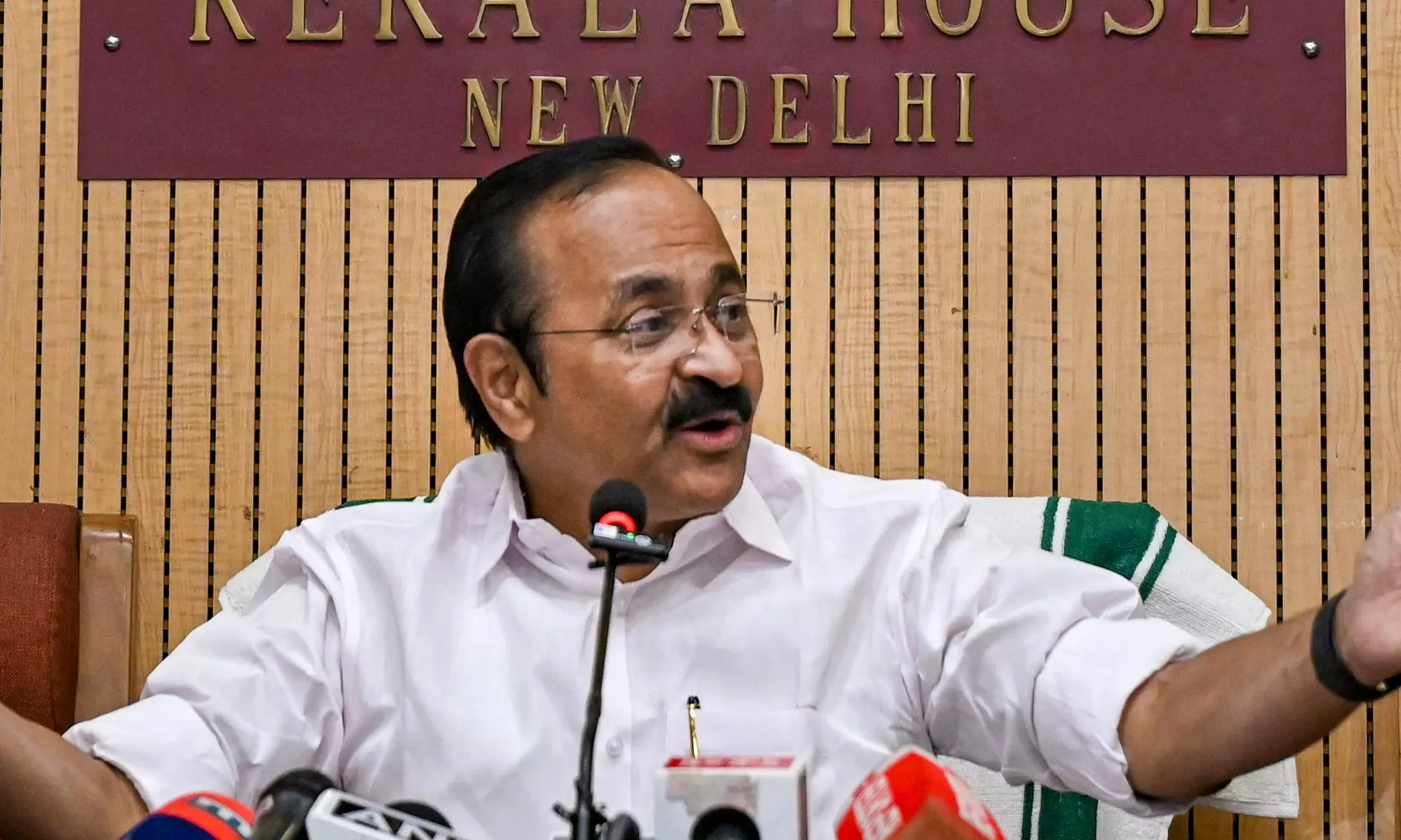
Chief Minister VD Satheesan has stated that the new government also faces pending liabilities amounting to Rs 48,733 crore. This figure encompasses arrears related to dearness allowance and dearness relief owed to government employees and pensioners, further straining the state’s financial resources.
<h4″Satheesan asserted the need for transparency regarding Keralam’s financial health, emphasising that the document is devoid of confidential information and reflects a commitment to disclose the state’s economic condition. The White Paper was developed with inputs from three experts, although it was compiled by the Finance Department, with the intent to offer a clearer understanding of Keralam’s fiscal reality.”