


Justice Sharma Declines to Withdraw from Liquor Policy Case
The CSR Journal Magazine

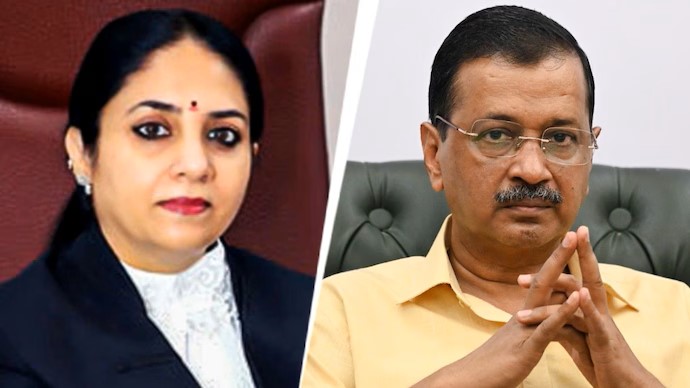
The ongoing debate surrounding the liquor policy case has taken a new turn as Justice Sharma has decided to remain involved. The case, which revolves around controversial policies in the liquor sector, has garnered significant public interest and scrutiny.

Justice Sharma’s participation in a recent legal event was questioned, with critics alleging potential bias in his handling of the case. However, the judge has firmly rejected these claims, stating that attending legal events does not translate to any form of partiality or conflict of interest.

The implications of this case have far-reaching effects on the state’s liquor regulations, impacting various stakeholders, including consumers, businesses, and law enforcement. As this complexity unfolds, the judiciary’s independence and integrity remain at the forefront of public discourse.

Details of Justice Sharma’s Statement

Justice Sharma’s remarks highlight the importance of maintaining the separation between professional engagements and judicial responsibilities. He stressed that his duty is to uphold the law impartially, and any perception of bias would be unfounded.

His decision has been met with varied responses from legal experts and advocacy groups, with some supporting his position and others expressing concern over the optics of his involvement in such events while presiding over a sensitive case. Regardless, the judge remains resolute in his commitment to a fair judicial process.

Legal and Ethical Considerations

The situation raises pertinent questions regarding the ethical standards expected of judges and the judiciary’s engagement with external events. Legal professionals have been focusing on how these affiliations can be perceived, particularly in high-profile cases that attract public attention.

Experts emphasise that transparency and accountability are cornerstones of judicial ethics. In this context, Justice Sharma’s affirmation of his duty is crucial for reinforcing public trust in the legal system. He has called for an understanding of the broader legal landscape within which judges operate.

The broader implications of this case are expected to influence discussions on judicial conduct and the frameworks that govern judges’ participation in non-judicial activities. As the legal profession navigates these challenges, calls for a review of existing policies regarding judges’ external involvement may intensify.

Next Steps in the Case

Moving forward, the liquor policy case is poised for continued legal proceedings. Justice Sharma’s determination to remain involved has set the stage for further developments, as stakeholders await the court’s findings. The next hearing is scheduled for later this month, and the outcome may have significant ramifications for the state’s liquor laws.

Legal analysts are anticipating that the court’s decision will not only affect the parties involved but may also guide future legislation concerning the liquor industry. The expectations surrounding the upcoming precedents signify a pivotal moment for both the judiciary and the administrative domain.

As the case progresses, it will be crucial to monitor discussions around judicial independence and public perception of the judiciary’s role in legislative matters. The legal community remains watchful, aware that the implications of this case will resonate beyond the courtroom.

Long or Short, get news the way you like. No ads. No redirections. Download Newspin and Stay Alert, The CSR Journal Mobile app, for fast, crisp, clean updates!

App Store –  https://apps.apple.com/in/app/newspin/id6746449540 

Google Play Store – https://play.google.com/store/apps/details?id=com.inventifweb.newspin&pcampaignid=web_share

Latest News

Popular Videos
