


Strait of Hormuz Reopens Amid Concerns Over Fuel Prices
The CSR Journal Magazine

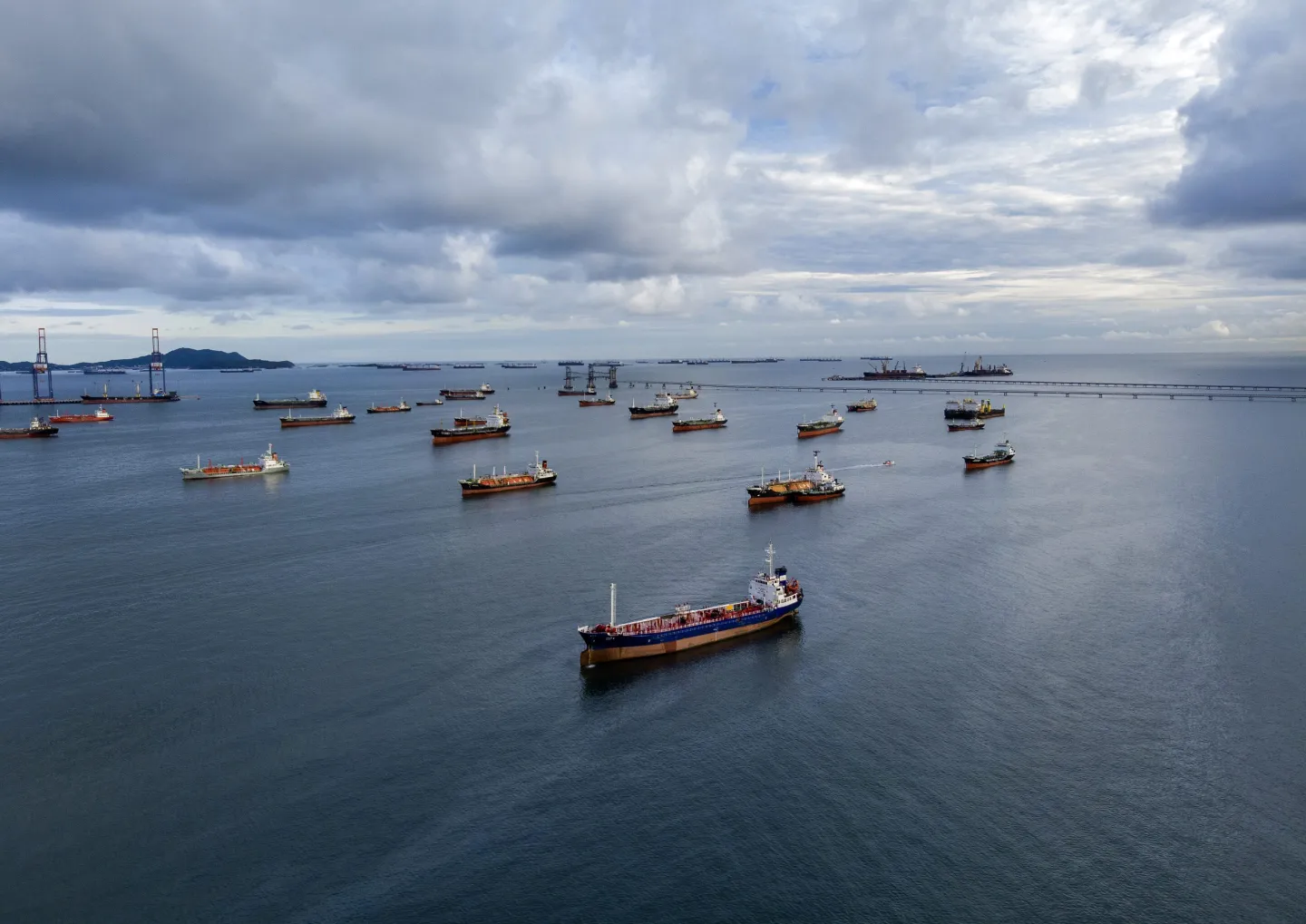
The reopening of the Strait of Hormuz comes as a relief for Indian households that have been apprehensive about rising crude oil prices caused by geopolitical tensions in the Middle East. This narrow passage plays a crucial role in the global economy, as nearly 20 per cent of the world’s oil and a considerable portion of liquefied natural gas (LNG) pass through it. With India reliant on imports for over 85 per cent of its crude oil needs, any disruption in this vital route can lead to increased import costs, a depreciating rupee, and mounting inflationary pressures on the economy.

The current easing of crude oil prices following the reopening is seen as a positive development for India. Experts suggest that with reduced fears of supply shortages, the stability of global crude prices could improve, helping to alleviate some economic stress on Indian households.

Potential Changes in Fuel Costs

The question now arises whether the decline in global crude oil prices will result in lower petrol and diesel costs at Indian fuel stations. According to Dr Manoranjan Sharma, Chief Economist at Infomerics Ratings, any substantial price reductions would only occur if crude oil prices remain sustainably below $80 per barrel. Oil marketing companies are still managing previous losses and concentrating on their financial recovery, which complicates the immediate pass-through of lower crude prices to consumers.

Should petrol and diesel prices decrease, such reductions might be limited, potentially ranging between Rs 2 to Rs 4 per litre. This adjustment is likely to be carefully managed rather than returning fuel prices to pre-conflict levels, indicating that consumers should not expect drastic changes soon.

The outlook for liquefied petroleum gas (LPG) prices appears similarly cautious. Although there have been government initiatives, such as periodic price cuts and subsidies, the overall relief for consumers may be selective rather than universal. The support provided through the Pradhan Mantri Ujjwala Yojana offers targeted benefits to eligible households, but the extent of further relief will depend on international price trends and fiscal considerations.

Impact on Household Budgets and the Economy

Consequently, savings from reduced energy costs may only partially offset rising expenses in other areas such as food, education, and healthcare. This scenario suggests that even as crude prices fluctuate, the economic pressure on households is likely to persist.

In the broader economic context, lower oil prices could create favourable conditions for India’s currency and financial markets. The country has experienced significant outflows of foreign investment during periods of high oil prices and geopolitical uncertainty. Such outflows can adversely affect the rupee, leading to increased volatility in exchange rates. While the Reserve Bank of India can intervene to manage currency fluctuations, its measures cannot entirely mitigate depreciation risks.

Nevertheless, experts assert that India’s robust foreign exchange reserves, strong service export performance, and resilient external sector act as a buffer against external shocks. Overall, while the reopening of the Strait of Hormuz is a welcome development for India, consumers should prepare for a gradual and cautious approach regarding any reductions in fuel prices.

Long or Short, get news the way you like. No ads. No redirections. Download Newspin and Stay Alert, The CSR Journal Mobile app, for fast, crisp, clean updates!

App Store –  https://apps.apple.com/in/app/newspin/id6746449540 

Google Play Store – https://play.google.com/store/apps/details?id=com.inventifweb.newspin&pcampaignid=web_share

Latest News

Popular Videos
