


Government Faces Economic Challenges Due To Crude Oil Prices, Monsoon and Fertiliser Costs
The CSR Journal Magazine

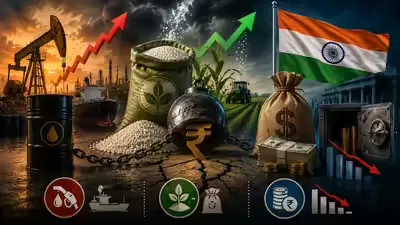
The Indian government is currently grappling with significant economic challenges, particularly regarding the volatility of crude oil prices. Finance Minister Nirmala Sitharaman reiterated the country’s vulnerability as the world’s third-largest importer and consumer of crude oil. Despite a reduction in crude oil prices following a recent peace agreement between Iran and the United States, uncertainties still loom over this critical sector.

Sitharaman identified not only crude oil price variability as a concern but also highlighted the broader impact of rising geopolitical tensions. Increased risks in shipping and insurance are inflating procurement costs for oil, further complicating the economic landscape. These factors are anticipated to pressure the trade balance, inflation rates, and government finances in a global market that is already experiencing fluctuations.

Import Pressures and Raw Material Supply Challenges

The finance minister also pointed out the strain on imports and raw material supplies stemming from changing conditions in global markets. According to Sitharaman, the current climate has resulted in severe pressure on material imports, which is exacerbated by disruptions in commodity markets and logistical networks. This situation signifies potential adverse effects on manufacturing costs, leading to increased prices in various industries.

Moreover, challenges in securing raw materials could consequently affect production outputs, posing risks to sectors that rely heavily on stable supply chains. As manufacturers navigate these pressures, the overall economic landscape faces additional complications that could impede growth.

Price volatility in essential commodities represents a pivotal challenge. With the ever-changing prices of raw materials, firms may struggle to maintain profit margins, thus necessitating cautious financial planning to mitigate unfavourable impacts on economic performance.

Fertiliser Price Fluctuations and Monsoon Preparations

The government is equally attentive to the fluctuations in fertiliser prices, which have emerged as a significant concern for the agricultural sector. Sitharaman noted that rising fertiliser costs could lead to increased liabilities for government subsidies, creating additional challenges for farmers at a time when early weather forecasts suggest the possibility of below-average rainfall.

With agriculture being a crucial component of the Indian economy, any fluctuations or uncertainties related to fertiliser costs could have cascading effects across the entire agricultural production cycle. Subsequently, if the anticipated shortfall in rainfall occurs, it may further exacerbate the existing challenges faced by farmers, particularly in terms of crop yields and food security.

To address these worries, the government is proactively preparing for a less favourable monsoon season. Adequate buffer stocks have been maintained to mitigate potential disruptions in food supplies. This measure aims to reduce the risks associated with potential shortages resulting from adverse weather conditions.

The remarks from the finance minister underscore the multifaceted challenges currently confronting India’s economy, ranging from international and domestic price volatility to issues related to supply chain disruptions. These factors collectively contribute to an intricate economic scenario that requires vigilant monitoring and strategic planning moving forward.

Long or Short, get news the way you like. No ads. No redirections. Download Newspin and Stay Alert, The CSR Journal Mobile app, for fast, crisp, clean updates!

App Store –  https://apps.apple.com/in/app/newspin/id6746449540 

Google Play Store – https://play.google.com/store/apps/details?id=com.inventifweb.newspin&pcampaignid=web_share

Latest News

Popular Videos
