


How to Dry Wet Shoes During Monsoon: Easy Tips to Prevent Damage and Odour
The CSR Journal Magazine

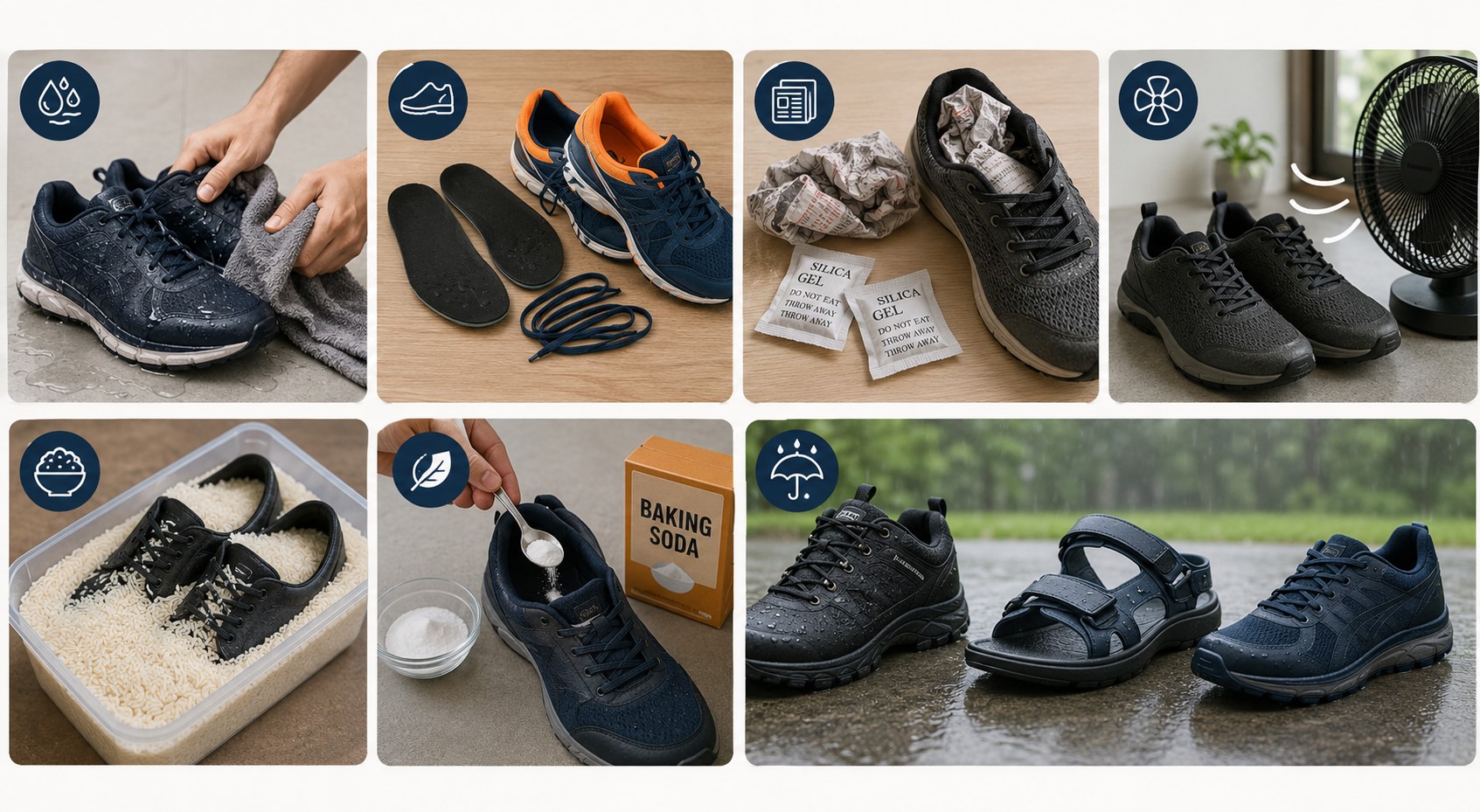
The first step in drying wet shoes during the monsoon season is to remove excess water as soon as possible. Upon returning home, it is advisable to take off your shoes and shake them vigorously to expel any trapped moisture. If a dry towel is available, use it to dab both the inside and outside of the shoes, as this can significantly expedite the drying process.

Take Out Insoles and Laces

Insoles and laces tend to retain moisture longer than the shoes themselves. By removing these components, air can circulate freely, allowing each part to dry more effectively. This simple yet effective method can drastically reduce the time required for thorough drying.

In addition to enhancing air circulation, removing insoles and laces also allows for easier cleaning if needed, which is especially useful if shoes have been exposed to muddy conditions.

Regularly inspect these parts for moisture retention and replace them as necessary to promote a quicker drying environment.

Use Newspaper and Silica Gel Packets

Stuffing shoes with newspaper is a long-standing and effective technique for absorbing moisture. The paper draws out trapped water, and it is recommended to replace it every few hours if it becomes damp. This ensures that the drying process remains efficient.

Silica gel packets, commonly found in various product packaging, are another excellent option for moisture absorption. Placing several packets inside the shoes can enhance drying speed and effectiveness, particularly for delicate materials.

Both techniques can be combined for optimal results, ensuring that the interior of the shoes remains as dry as possible.

Improving Airflow While Avoiding Direct Heat

Creating good airflow around wet shoes is crucial for effective drying. Positioning them near a fan or in a well-ventilated space aids moisture evaporation. This approach is generally safer and more effective than direct heat, which can damage certain materials used in shoe construction.

Direct sunlight can also be harmful to specific shoe types, such as leather and synthetic materials, which are prone to fading and cracking with excessive heat. Keeping shoes in a shaded area while still allowing for airflow is advisable.

Avoiding high heat sources such as hair dryers or heaters is critical. This method may seem like a quick solution, but it risks weakening adhesives and damaging the materials, ultimately shortening the lifespan of the footwear.

Alternative Drying Methods and Odour Control

If other methods are unavailable, placing shoes inside a container filled with uncooked rice can absorb moisture effectively, although this may not be the quickest option. This technique serves as a suitable last resort to mitigate dampness.

Once the shoes are dry, it is important to address potential odours that can develop due to moisture retention. Sprinkling a small amount of baking soda inside the shoes and allowing it to sit overnight can help neutralise unpleasant smells.

For those frequently navigating rainy conditions, choosing footwear designed for the monsoon can be advantageous. Materials that dry quickly, along with waterproof sandals and water-resistant shoes, can be more practical alternatives to heavier fabric options.

Long or Short, get news the way you like. No ads. No redirections. Download Newspin and Stay Alert, The CSR Journal Mobile app, for fast, crisp, clean updates!

App Store –  https://apps.apple.com/in/app/newspin/id6746449540 

Google Play Store – https://play.google.com/store/apps/details?id=com.inventifweb.newspin&pcampaignid=web_share

Latest News

Popular Videos
