


India’s Ethanol Output Surges, Key States Lead the Green Fuel Revolution
The CSR Journal Magazine

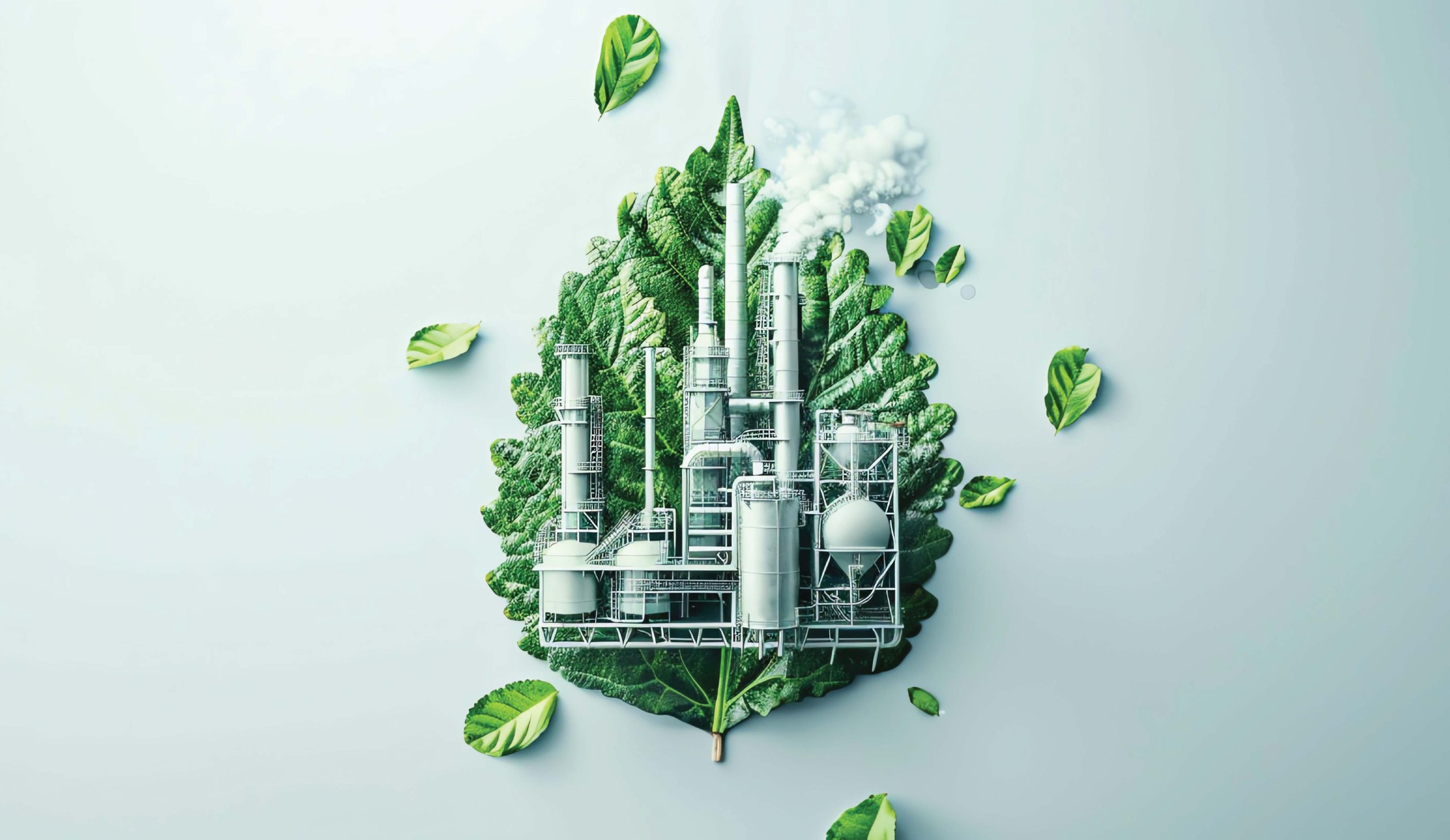
Ethanol, a type of alcohol, plays a significant role in India’s drive for cleaner energy. This substance is produced through the fermentation of various plant materials, effectively converting their natural sugars and starches into alcohol. Initially associated with alcoholic beverages and industrial products, ethanol is now a key component of India’s energy strategy.

The primary sources of ethanol production in India include sugarcane juice, molasses, an offshoot of sugar manufacturing, maize, damaged grains, and agricultural residues like rice straw. The versatile nature of ethanol allows it to be used in an array of applications, such as in pharmaceuticals, cosmetics, and as a fuel additive mixed with petrol.

To support its growing energy needs, the government has been promoting the blending of ethanol with petrol. This initiative aims to mitigate reliance on crude oil imports, decrease emissions, and bolster farmers’ incomes along with sugar mills.

Importance of Ethanol for India’s Energy Security

Ethanol’s significance is underscored by India’s dependency on imported crude oil, which makes the country susceptible to fluctuating global oil prices and geopolitical instability. By integrating ethanol into petrol, India presents a domestic alternative that can effectively reduce overall petrol consumption.

When mixed with petrol, ethanol contributes to cleaner combustion, thereby cutting down harmful emissions. Furthermore, it generates a market for agricultural products that would otherwise have limited commercial value, providing farmers with an opportunity to meet increased demands for crops such as sugarcane and maize.

The blending of ethanol with petrol serves multiple purposes, including enhanced revenue streams for sugar producers. This aligns with the government’s objectives to ensure energy security while promoting greener fuel alternatives.

Ethanol production is highly concentrated in specific regions of India, particularly those where feedstocks are readily available. The majority of production facilities are strategically located close to sugar mills and grain-processing units, which help minimise transportation costs and ensure a consistent supply of raw materials.

Maharashtra, Uttar Pradesh, Karnataka, Haryana, and Madhya Pradesh are among the leading states for ethanol production. This concentration is largely due to favourable agricultural conditions and established industrial frameworks. Investments are also increasing in various other states as the country’s ethanol blending objectives expand.

Maharashtra features a dense network of sugar mills and distilleries, making it a pivotal player in the country’s ethanol supply chain. Similarly, Uttar Pradesh’s vast agricultural base reinforces its standing as a major contributor. Karnataka leverages its robust sugar industry to bolster its production, while Haryana focuses on innovative second-generation ethanol production from agricultural waste.

Meanwhile, Madhya Pradesh showcases a burgeoning interest in grain-based ethanol, reflecting a national trend of diversifying feedstock sources. Other regions, like Bihar and Punjab, are emerging as new players in the ethanol production landscape, supported by their agricultural outputs in maize, sugarcane, and residues.

Future Outlook for Ethanol in India

The outlook for India’s ethanol industry appears promising, with expectations of substantial growth in the upcoming years as blending targets are elevated and biofuel production expands. New grain-based distilleries and modern second-generation bio-refineries are being established across various states to accommodate this growth.

This expansion is anticipated to forge new industrial hubs while enhancing the capacities of existing ones. For consumers, ethanol may often go unnoticed as a component of petrol, yet it stands as a crucial element in connecting agriculture, manufacturing, and energy security within the Indian economy.

The developments across Maharashtra, Haryana, and other critical regions embody the future potential of India’s ethanol production, signalling a path towards sustainable energy solutions. This strategic fuel adds a new dimension to India’s economic landscape, fostering interconnected growth across sectors.

Long or Short, get news the way you like. No ads. No redirections. Download Newspin and Stay Alert, The CSR Journal Mobile app, for fast, crisp, clean updates!

App Store –  https://apps.apple.com/in/app/newspin/id6746449540 

Google Play Store – https://play.google.com/store/apps/details?id=com.inventifweb.newspin&pcampaignid=web_share

Latest News

Popular Videos
