


India Successfully Tests Hypersonic Anti-Ship Missile Off Odisha Coast
The CSR Journal Magazine

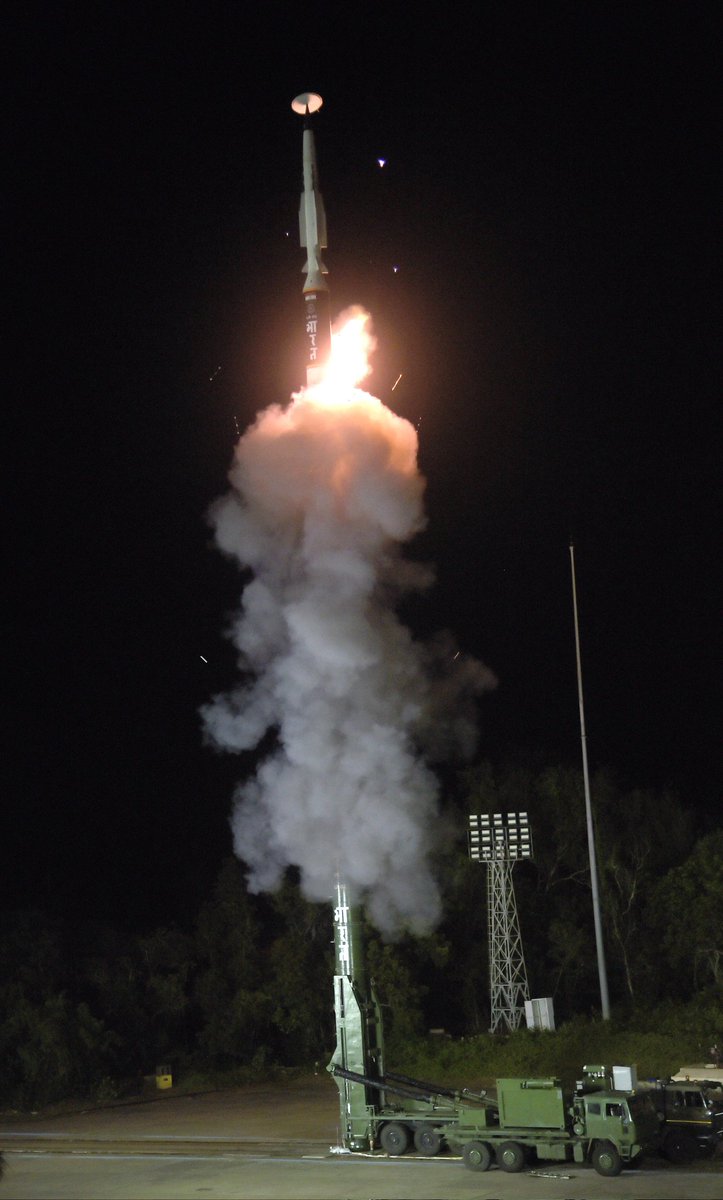
India recently demonstrated a significant advancement in its maritime defence capabilities by successfully conducting a flight test of a long-range anti-ship missile off the coast of Odisha. Defence sources revealed that the hypersonic missile accurately struck its designated target at a distance of 1,500 km. This accomplishment marks an important milestone in extending India’s defensive reach at sea.

The missile operates at speeds that exceed Mach 5, allowing it to evade contemporary ship-based interception systems. The recent test validated the performance of its advanced terminal guidance systems, and all mission objectives were reportedly completed, from launch to final impact. This included executing mid-course manoeuvres and maintaining sustained high-speed flight.

Technical Features of the Long-Range Anti-Ship Missile

The Long-Range Anti-Ship Missile (LR-AShM), developed for the Indian Navy, is a hypersonic glide weapon tailored for engaging both stationary and moving maritime targets. The missile employs indigenous avionics and high-accuracy sensors and follows a quasi-ballistic trajectory. It can achieve speeds up to Mach 10 but typically maintains an average speed around Mach 5 through multiple skips. Its low-altitude flight combined with high speed and manoeuvrability complicates detection by enemy radar systems.

Powered by a two-stage solid rocket motor, the missile separates following its initial boost phase and transitions into an unpowered glide phase before striking its target. The successful completion of this test underlines advancements in domestic technology and enhances India’s ability to neutralise significant naval assets from substantial distances.

Speaking at the ANI National Security Summit, Defence Secretary Ajay Kumar Kamat discussed India’s ongoing development of hypersonic glide and cruise missile systems. He elaborated on the distinctions between the hypersonic technologies, noting the hypersonic cruise missile uses a scramjet engine that powers it during flight, whereas the hypersonic glide missile relies on a booster for initial velocity before gliding unpowered.

Future Developments in Hypersonic Technologies

Kamat noted that the glide missile programme is currently more advanced than the one for cruise missiles. He anticipated initial trials of the glide missile to occur soon, reflecting progress in this area. Additionally, he outlined the potential structure of a conventional missile force, which may include various ballistic missiles across different ranges, up to 2000 kilometres.

In recent years, India has made consistent progress in hypersonic technology. Previous trials, including those conducted by the Defence Research and Development Organisation in November 2024, have validated essential technologies. These efforts included the 2020 Hypersonic Technology Demonstration Vehicle test and subsequent scramjet engine trials, showcasing India’s commitment to advancing its missile capabilities.

Defence Minister Rajnath Singh previously described such advancements as historic, placing India among a select group of nations possessing advanced hypersonic capabilities. The development and successful testing of these missile systems emphasize the ongoing efforts to bolster national security and maritime defence strategies.

Long or Short, get news the way you like. No ads. No redirections. Download Newspin and Stay Alert, The CSR Journal Mobile app, for fast, crisp, clean updates!

App Store –  https://apps.apple.com/in/app/newspin/id6746449540 

Google Play Store – https://play.google.com/store/apps/details?id=com.inventifweb.newspin&pcampaignid=web_share

Latest News

Popular Videos
