


Kashmir’s Thajiwas Glacier Loses 95% of Ice, Triggering Ecological Alarm
The CSR Journal Magazine

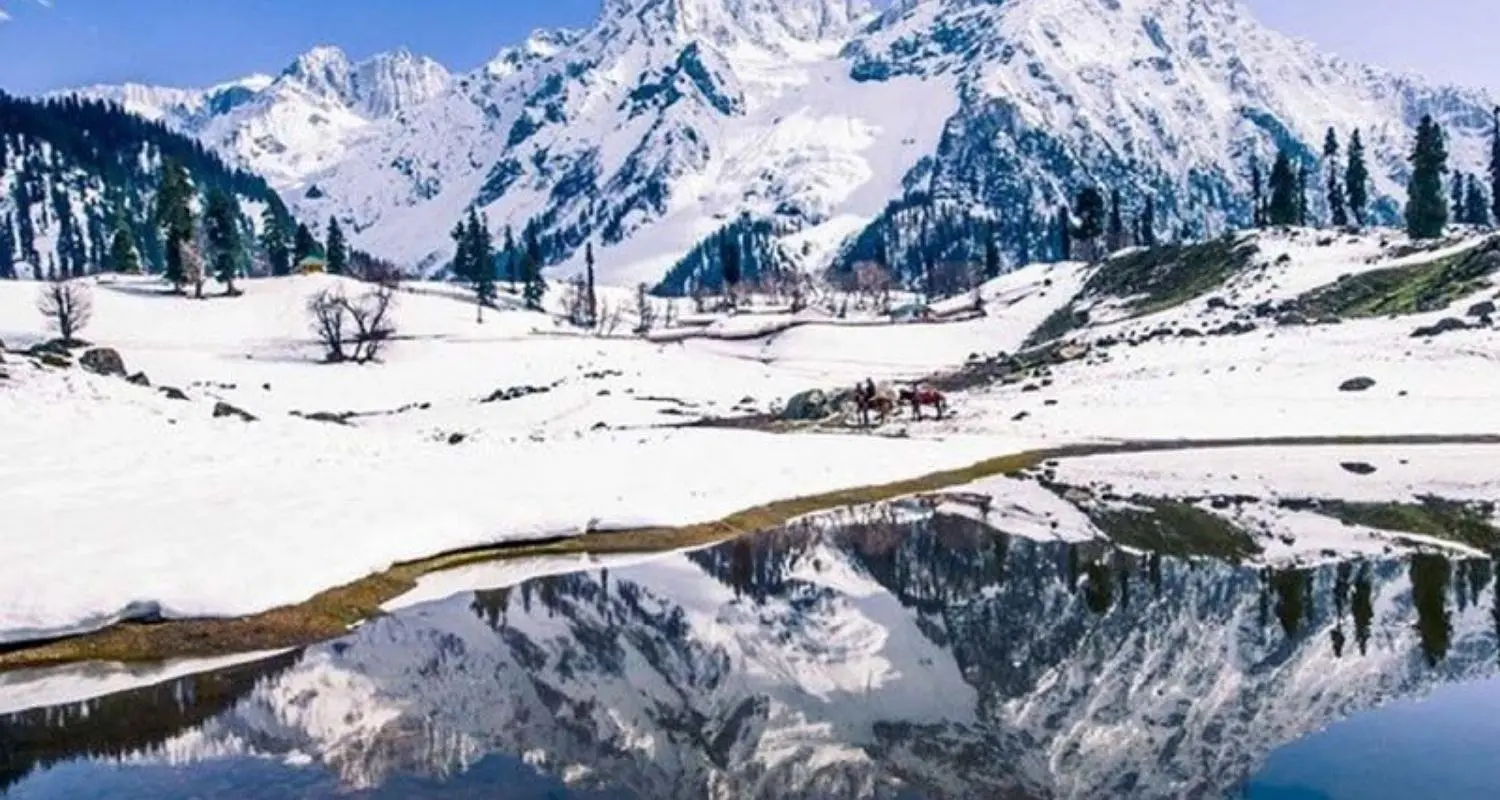
The Thajiwas Glacier, a notable attraction in Kashmir, is experiencing severe ice loss, with recent research indicating that approximately 95 per cent of its ice has disappeared since the last Ice Age. Conducted by scholars from the University of Kashmir and the Inter-University Accelerator Centre in New Delhi, the study examines the glacier’s transformation over time.

Once covering roughly 54 square kilometres, the glacier has shrunk to a mere 2.5 square kilometres. This research, titled “Paleo-glacial Reconstruction of the Thajiwas Glacier in the Kashmir Himalaya,” categorises the glacier as a “relic of a glacier,” highlighting its status as a small remnant of its former prominence.

This significant reduction in size marks a troubling trend for Sonamarg, a prominent hill station located in Jammu and Kashmir’s Ganderbal district, with visiting tourists now greeted by dried meadows rather than expansive snowfields.

Environmental Implications of Ice Loss

Scientists attribute the rapid retreat of the Thajiwas Glacier to various factors, including rising temperatures across the Himalayas linked to global warming, reduced winter snowfall, pollution from black carbon, and increasing visitor pressure in an ecologically sensitive area.

Dr Masoon A Beig, an environmental geographer, cautioned that the glacier’s decline signals an environmental crisis with significant implications. According to him, only 5 to 7 per cent of the glacier remains, which could lead to adverse effects on agriculture, horticulture, and hydropower generation in the surrounding region.

The Thajiwas Glacier serves as a critical source of meltwater for the Sindh River. Its retreat raises not only tourism concerns but also issues regarding water security and the livelihoods of local communities.

Call for Urgent Protective Measures

Additionally, scientists stress the importance of comprehensive climate action aimed at reducing greenhouse gas emissions as part of broader environmental preservation efforts.

For many visitors, the glacier’s disappearing landscape holds deep personal significance. One visitor, Baidurjyo Kundu, reflects on his first experience of snow at Thajiwas during childhood and expresses concern that future generations may not witness its former glory.

As the Thajiwas Glacier fades from the landscape, its ongoing disappearance serves as a poignant representation of the broader impacts of climate change on the vulnerable Himalayan ecosystem.

Long or Short, get news the way you like. No ads. No redirections. Download Newspin and Stay Alert, The CSR Journal Mobile app, for fast, crisp, clean updates!

App Store –  https://apps.apple.com/in/app/newspin/id6746449540 

Google Play Store – https://play.google.com/store/apps/details?id=com.inventifweb.newspin&pcampaignid=web_share

Latest News

Popular Videos
